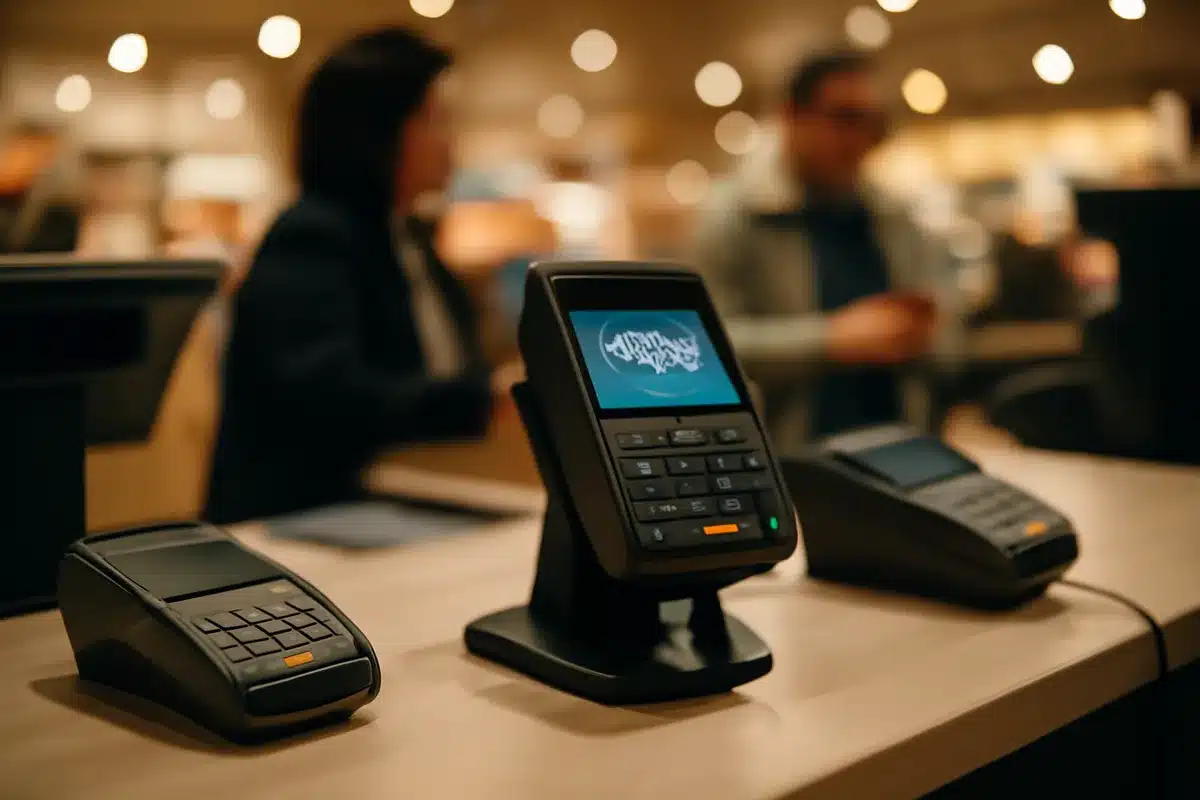
Walmart is rolling out contactless payment options including Apple Pay and Google Pay starting today at select stores and Sam’s Club locations, ending more than a decade of resistance to the widely used payment methods. The retailer announced the shift on August 21, with plans to expand tap-to-pay support to all U.S. Walmart and Sam’s Club stores by the end of 2026 and to fuel stations by mid-2027.
Customers will be able to use eligible contactless cards, phones, or smartwatches at checkout, as well as add their Walmart and Sam’s Club cards to digital wallets including Apple Wallet and Google Wallet. The rollout represents a significant reversal for a retailer that had long promoted its proprietary payment systems as superior alternatives to third-party digital wallets.
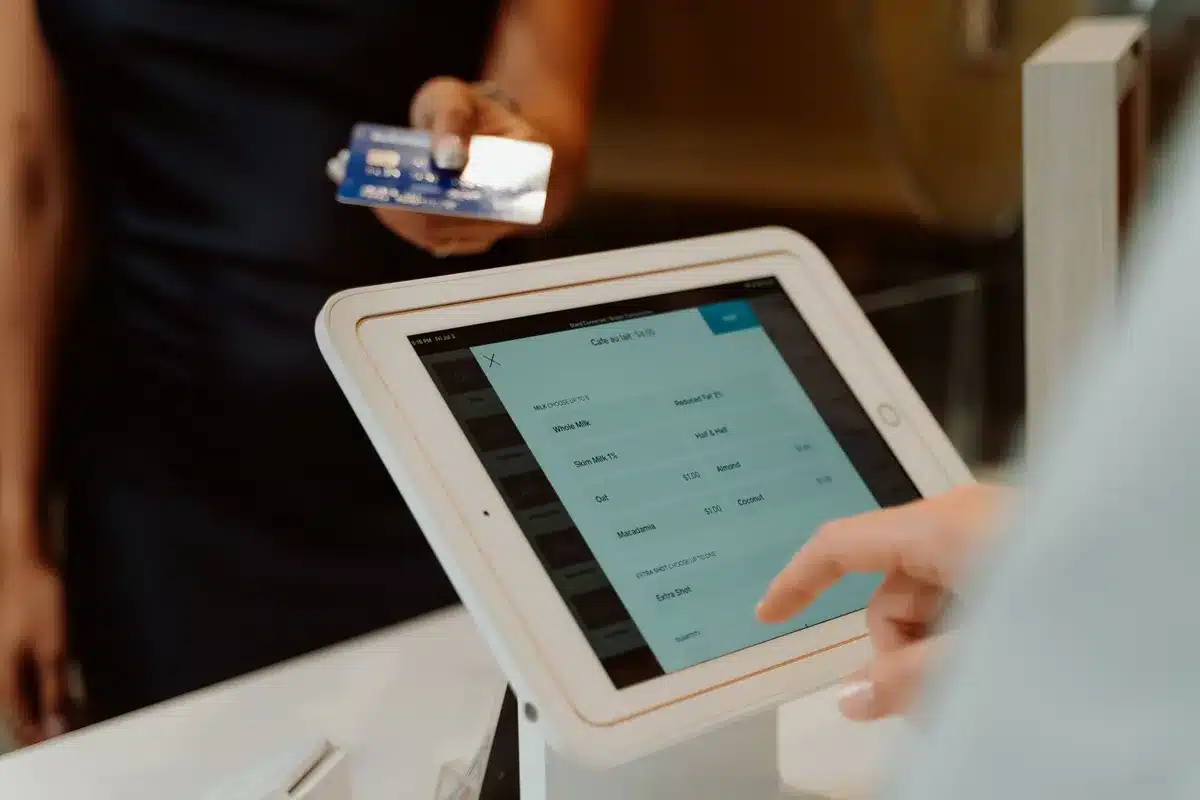
Walmart’s previous resistance to Apple Pay and Google Pay stemmed from data collection concerns. The retailer’s proprietary systems—Walmart Pay, launched in 2016, and Scan & Go—tie transactions directly to customer accounts, giving the company detailed purchase data for targeting and marketing. Apple Pay and similar digital wallets use tokenization technology that prevents merchants from seeing actual card details or building detailed customer profiles, meaning Walmart receives far less transaction information when customers use those methods.
In January 2026, just months before this announcement, Walmart reiterated its commitment to its own payment systems, stating it did not accept NFC (near-field communication) payments and instead promoted Walmart Pay and Scan and Go as more convenient solutions. That position became increasingly untenable as consumer preferences shifted and the broader retail landscape moved toward standardized contactless options.
A Competitive Disadvantage
As of 2026, over 65 percent of in-person card transactions in the U.S. use contactless technology, whether through tap-to-pay cards or digital wallets, according to industry data. Tap-to-pay is now accepted at more than 85 percent of U.S. retailers, making Walmart’s previous stance increasingly isolated. Competitors including Kroger, Home Depot, and H-E-B had already adopted Apple Pay support, with Kroger reversing its nine-year holdout in April 2023.
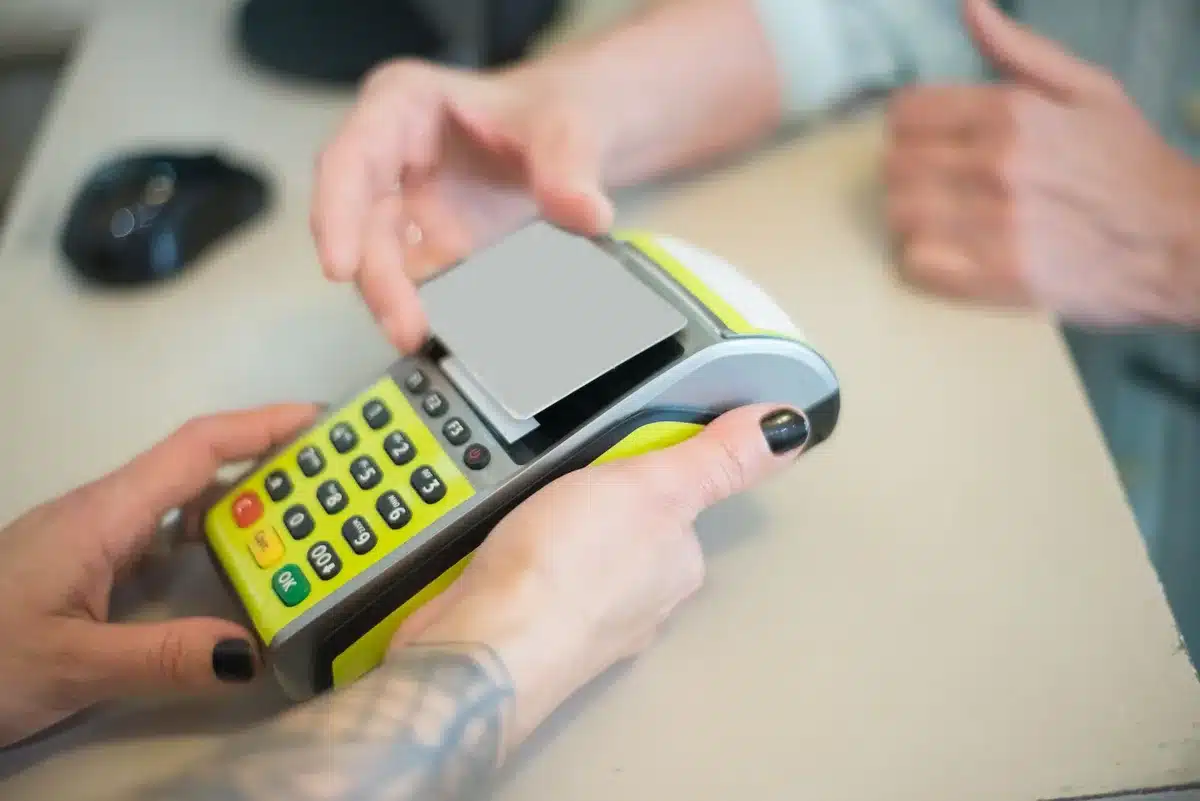
Walmart continues to offer its existing payment options alongside the new tap-to-pay service. Customers can still use cash, credit cards, or Walmart Pay, which allows them to pay through the Walmart app and access Walmart+ fuel savings. The company framed the decision as part of a broader effort to give customers more choice and convenience while expanding its financial services offerings, including options to save, build credit, and pay over time.
The rollout at select stores today marks the beginning of what Walmart expects to be a full transition across its U.S. footprint by year-end. The expansion to fuel stations by mid-2027 will complete Walmart’s shift toward accepting the payment methods its customers had long requested.
Sources
- ECIKS.org — Walmart announcement of August 24 rollout, expansion timeline, and context on decade-long holdout and proprietary payment strategy
- SLeftPayments — data showing over 65% of in-person card transactions in the U.S. use contactless technology as of 2026
- American Banker — Kroger’s nine-year Apple Pay boycott and April 2023 adoption date
- 9to5Mac — confirmation that Apple Pay is accepted at over 85% of U.S. retailers and details on Walmart’s previous reliance on Walmart Pay with QR codes