
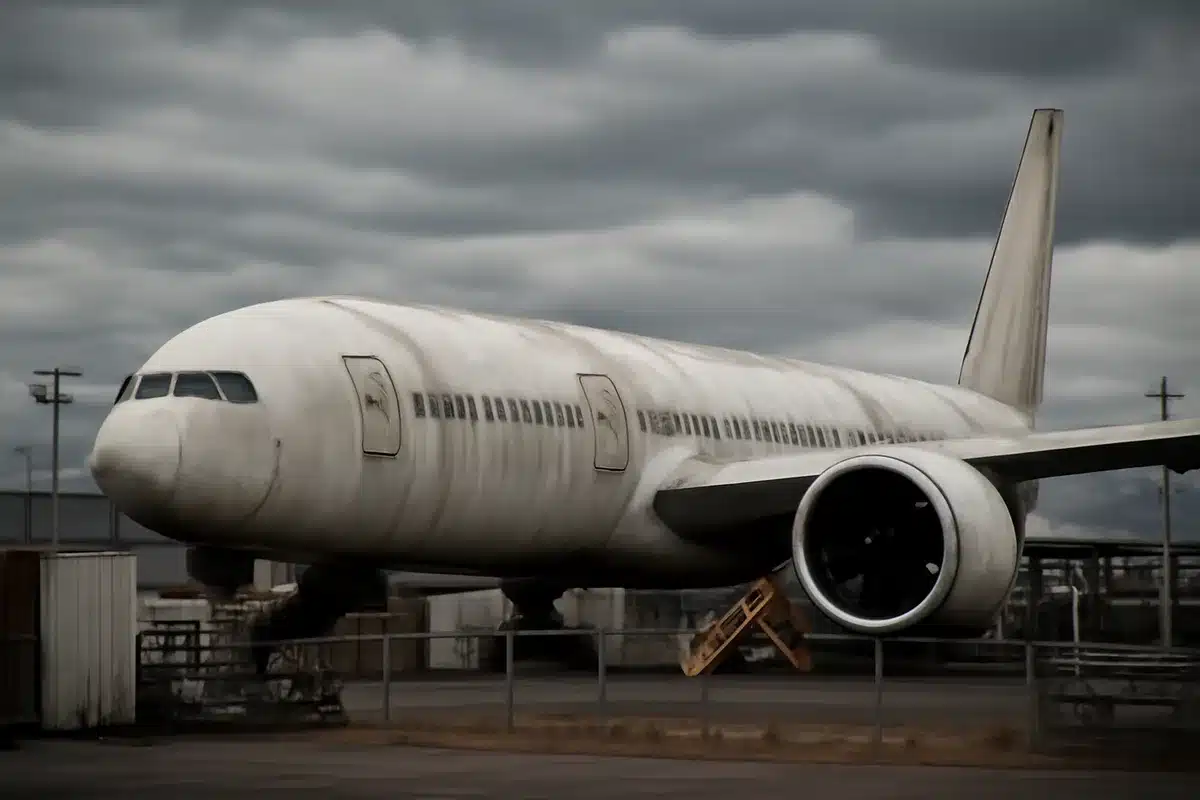
Lufthansa has joined Emirates in refusing to accept early-built Boeing 777-9 aircraft, marking a major setback for the manufacturer’s long-delayed flagship widebody program. CEO Carsten Spohr confirmed the airline is in talks with Boeing over which aircraft it will reject outright and which could be modernized with financial support from the planemaker.
The aircraft at issue were built years ago and have sat in storage since 2019 and 2020, exposed to the elements while Boeing worked through certification delays that have pushed the 777X program roughly seven years behind its original schedule. Some have been parked for more than six years, creating concerns about component degradation, aging electronics, and the extensive rework required to bring them to current production standards.
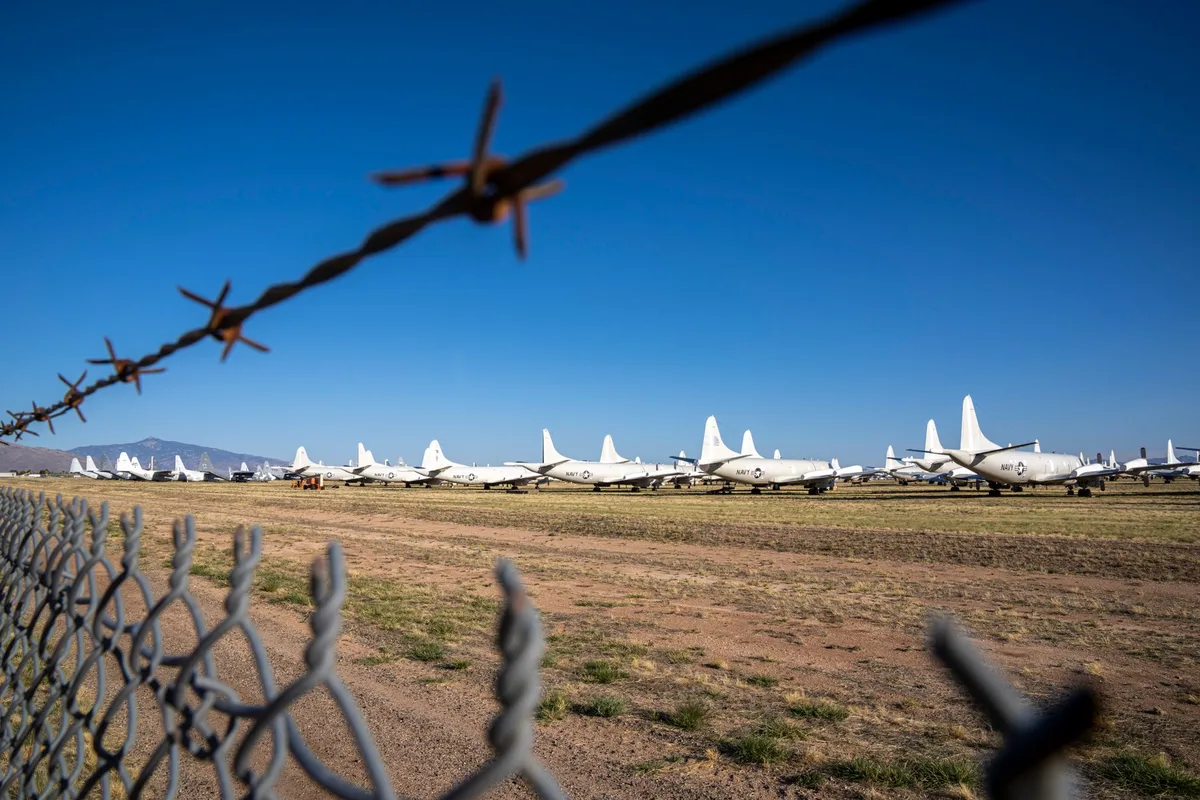
Emirates, the world’s largest 777X customer, set the precedent in July 2026 by rejecting the first 10 aircraft allocated to it. Industry sources suggest United Airlines may be interested in some of the rejected early airframes, though terms remain confidential.
The situation echoes Boeing’s experience with its 787 Dreamliner program, where early production aircraft became known as the “Terrible Teens.” According to aviation analysts, the 787 early-builds required so much change incorporation and rework that airlines declined to accept them, and Boeing took years to sell them at steep discounts. The first 20 787s built suffered from design problems and structural limitations that made them heavier and less efficient than later production examples.
For the 777-9, Boeing has set up a dedicated “change incorporation” production line to rework the early-built airframes to the current production standard. The manufacturer is covering part of the cost of that work for affected customers. Industry estimates suggest 30 to 40 aircraft across all 777X customers require this extensive rework.
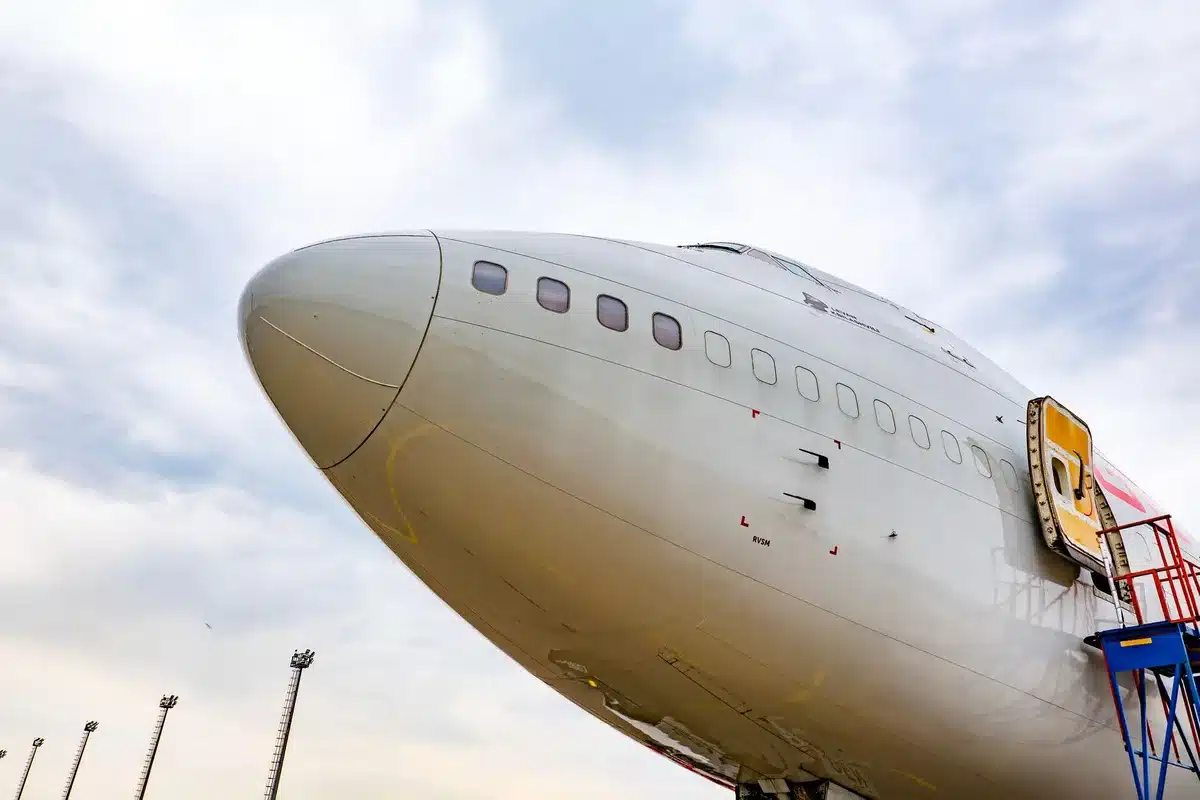
The delays have forced Lufthansa to keep older aircraft flying longer than planned. The airline has already extended the life of its Boeing 747-400 fleet and is reportedly considering keeping roughly 14 remaining Airbus A340-300s in service longer than expected as contingencies. Spohr has publicly expressed frustration with the extended wait, warning that the delays have disrupted the carrier’s long-haul fleet modernization strategy.
Boeing had originally targeted first deliveries of the 777-9 for 2020. The program suffered a major setback in August 2024 when a cracked thrust link—the component connecting an engine to the wing—forced Boeing to pause flight testing for roughly five months. In October 2025, Boeing pushed first deliveries from 2026 into 2027 and took a $4.9 billion pre-tax charge on the program. The company now expects certification to occur in late 2026 or early 2027, with first deliveries to Lufthansa targeted for the first quarter of 2027.
Emirates president Tim Clark suggested in July that Boeing would need to sell the early 777-9s for as little as $10 million—a fraction of the aircraft’s unofficial list price of more than $500 million. The rejected aircraft represent a significant commercial liability for Boeing as it struggles to clear the backlog and maintain customer relationships in the face of unprecedented certification delays.
Sources
- Aviation Week — Carsten Spohr’s confirmation that Lufthansa is in talks with Boeing over which 777-9 aircraft to reject and which to modernize
- AeroXplorer — Details on the aircraft storage timeline (since 2019-2020), component degradation concerns, and the broader program status and delay history
- AIN Online (Leeham News and Analysis) — The 787 “Terrible Teens” precedent, change incorporation requirements, Tim Clark’s $10 million comment, and the scope of rework affecting 30-plus aircraft
- Air Insight — Confirmation of Emirates’ rejection of 10 early-build 777-9s and the pattern of customer rejections










