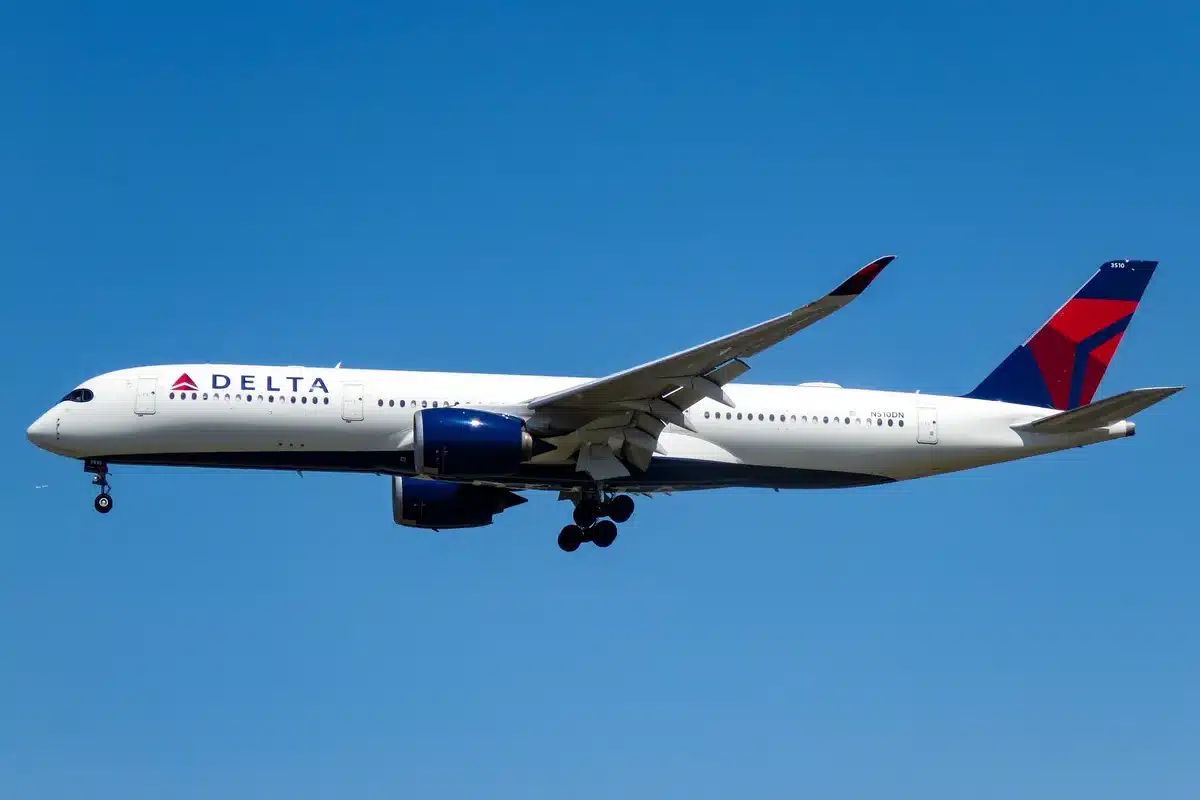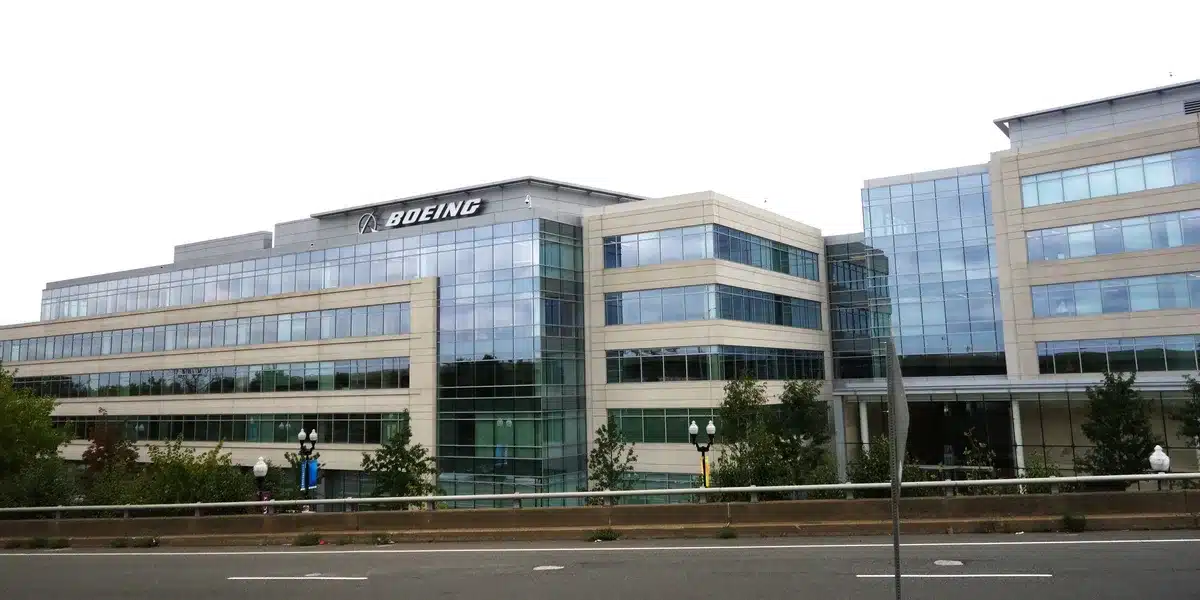
The Federal Aviation Administration granted Boeing an amended type certificate for the 737 MAX 7 on August 3, 2026, clearing the smallest variant of the 737 MAX family for commercial service after nearly a decade of regulatory delays.
The certification caps a multi-year effort that began in 2018 when the 737 MAX 7 first flew. Boeing’s test program included more than 1,000 hours of flight and ground testing, extensive system safety analysis, and human factors reviews, according to the company’s press release.
The primary obstacle holding up the 737 MAX 7 and its larger sibling, the 737 MAX 10, was a redesigned engine anti-ice system. The FAA statement explained that the system prevents the engine inlet from overheating and potentially weakening the surrounding structure. Boeing completed the redesign in late 2025 and formally tested it beginning in April 2026, resolving what had been the certification program’s most significant technical hurdle.
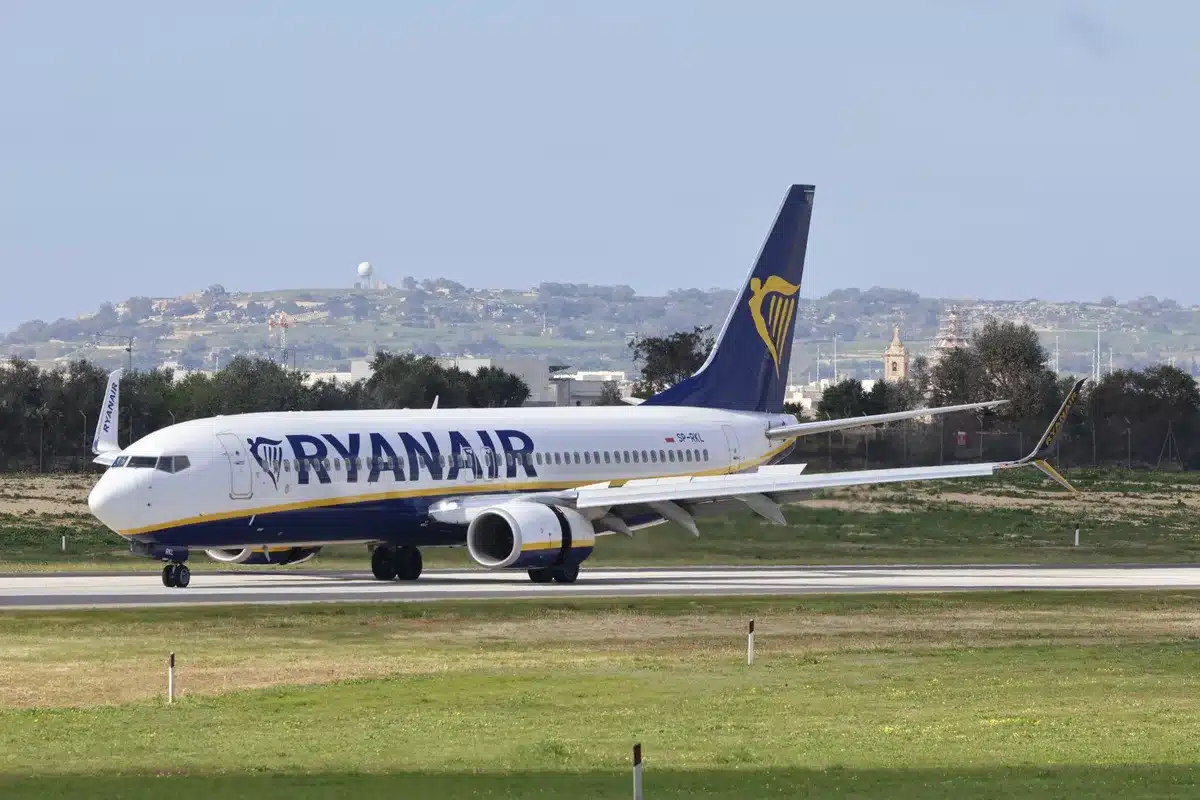
The FAA also required Boeing to incorporate key improvements addressing Congressional mandates and National Transportation Safety Board recommendations. These included updates to the flight-control software, a redesigned flightcrew alerting system, and the engine anti-ice redesign. The approval reflects heightened regulatory scrutiny that followed two fatal crashes of the 737 MAX 8 in 2018 and 2019, which killed 346 people and led to a 20-month worldwide grounding of the MAX family.
The 737 MAX 7 is the smallest member of the MAX family, seating 135 to 160 passengers in a two-class configuration while offering approximately 10% more range than its siblings. Boeing stated the aircraft reduces fuel consumption and CO2 emissions by 20% and noise by 50% compared to the airplanes it replaces.
Southwest Airlines, the 737 MAX 7’s launch customer, is preparing to receive the first deliveries. Boeing said a team is readying the first airplanes, including implementing updates to final configurations. According to reporting from Lee Ham News, approximately 30 737 MAX 7s have already been assembled and are awaiting delivery to Southwest.
The certification delivered a financial boost to Boeing. The company’s stock rose 6.7% on the day of the announcement, according to Reuters. Analysts noted that the approval could help Boeing generate much-needed cash and improve its balance sheet after years of grounding-related losses and production constraints. The 737 MAX family order book stands at more than 7,200 aircraft, with more than 2,300 delivered through the end of June 2026.
Boeing is also working to certify the 737 MAX 10, the largest variant in the family, later in 2026. The FAA will continue to station safety inspectors at Boeing production facilities to closely monitor the manufacturing process and assess the company’s Safety Management System.
Sources
- Federal Aviation Administration — FAA statement on the certification and the key safety improvements required
- Boeing — press release detailing the certification, test program scope, and customer preparations
- Reuters — reporting on the certification date, aircraft specifications, stock market reaction, and Southwest Airlines as launch customer
- CNBC — confirmation of FAA approval and analyst commentary on financial impact
- Lee Ham News — reporting on the number of assembled aircraft awaiting delivery
- Mexico Business News — details on the test program duration and review process timeline