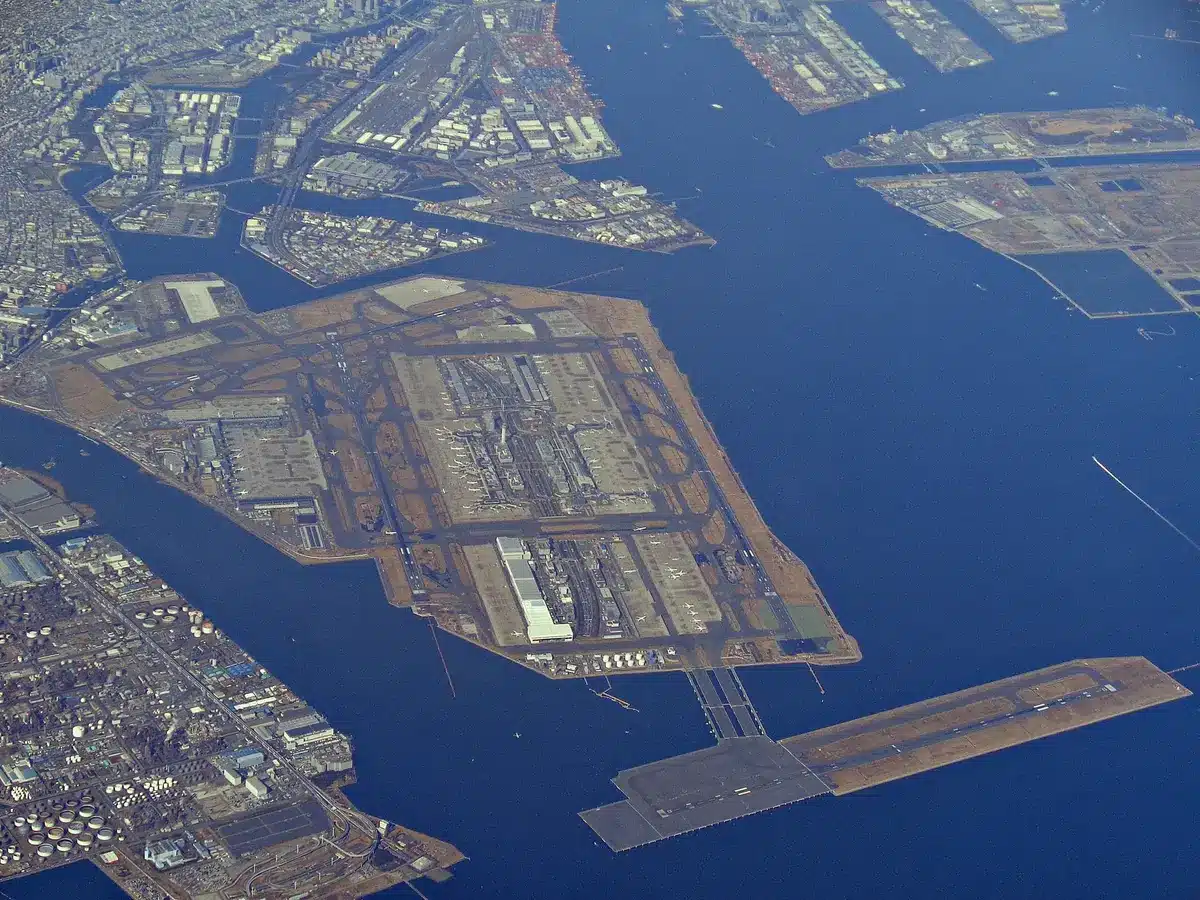
Japan’s Civil Aviation Bureau is introducing a three-strikes rule for aircraft pilots at Tokyo International Airport (Haneda), where captains who accumulate three counted deviations from air traffic control instructions will be barred from serving as pilot-in-command, according to Aviation International News.
The Japan Civil Aviation Bureau (JCAB) will maintain a “Watchlist of Captains Requiring Special Attention” shared between the bureau’s headquarters and the Tokyo Airport Office. When a captain reaches three counted ATC deviations, that individual becomes what the agency terms a “Restricted Captain,” losing the ability to operate flights into or out of Haneda as PIC.
The restriction applies to the individual pilot, not the aircraft or operator. An operator can continue using Haneda if a different, unrestricted captain takes the PIC seat, and a Restricted Captain may still work a Haneda trip as second-in-command. If an operator submits an Airport Use Plan naming a Restricted Captain as PIC, the operator will be asked to swap in a different captain; failing to do so could result in broader consequences for that operator’s Haneda access.

The measures take effect once JCAB revises the Haneda Airport Use Plan format to capture pilot-in-command information. Not every reported deviation automatically counts—JCAB reviews each deviation, including the ATC communication record, before adding it to a pilot’s tally. A captain’s count also decreases by one after a full year passes with no further deviation, giving pilots an opportunity to reset their record through demonstrated compliance.
JCAB’s enforcement push follows a cluster of runway and taxiway incursions by foreign business and general aviation aircraft at Haneda. An October 2025 notification from the agency’s Air Transport Safety Unit cited one incursion in September 2025 and two more that October, including an unauthorized entry onto Runway 04/22 and an entry onto closed Taxiway A1. None were classified as “serious incidents,” but the notification pointed to the January 2024 runway collision at Haneda as a reason why an incursion “can lead to a serious accident.”
On January 2, 2024, a Japan Airlines Airbus A350 collided with a Japan Coast Guard Bombardier DHC-8 on a Haneda runway, killing five people. The collision occurred when the Coast Guard pilot mistakenly believed he had clearance to enter the runway while the JAL aircraft was landing. That accident prompted Japanese aviation authorities to tighten ATC protocols and pilot compliance measures across the airport.
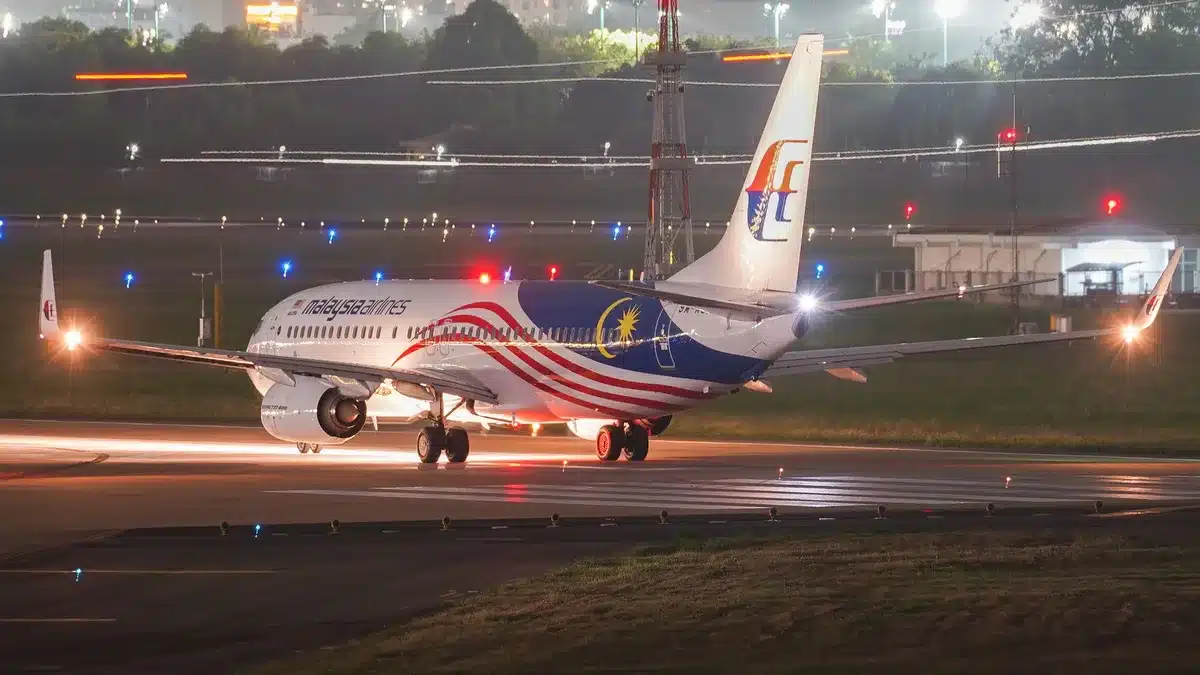
Haneda’s tightened scrutiny of pilot compliance arrives amid a broader global push on runway and taxiway safety. In July 2026, the International Air Transport Association (IATA), Airports Council International (ACI), and the Civil Air Navigation Services Organisation (CANSO) launched a Joint Runway Safety Initiative to reduce runway incursions worldwide. The program focuses on better collection of near-collision and frontline safety data, stronger local runway safety teams that pair airlines, airports, and air navigation service providers, and wider sharing of mitigation lessons across airports with similar operations.
Sources
- Aviation International News — Haneda’s three-strikes rule for pilots, PIC-based restrictions, and global runway safety context
- Universal Weather and Aviation — JCAB’s Airport Use Plan revision, Watchlist mechanics, deviation counting and credit-back system, and operator compliance requirements
- IATA — Joint Runway Safety Initiative launch and focus areas