The U.S. power grid is at risk of an 18-month blackout if critical infrastructure is disrupted, according to a stark warning from Jon Wellinghoff, the former chair of the Federal Energy Regulatory Commission (FERC). Wellinghoff’s alert is based on a 2013 power-flow analysis commissioned after a coordinated sniper attack on a California electrical substation near San Jose, which exposed severe vulnerabilities in the nation’s transmission system.
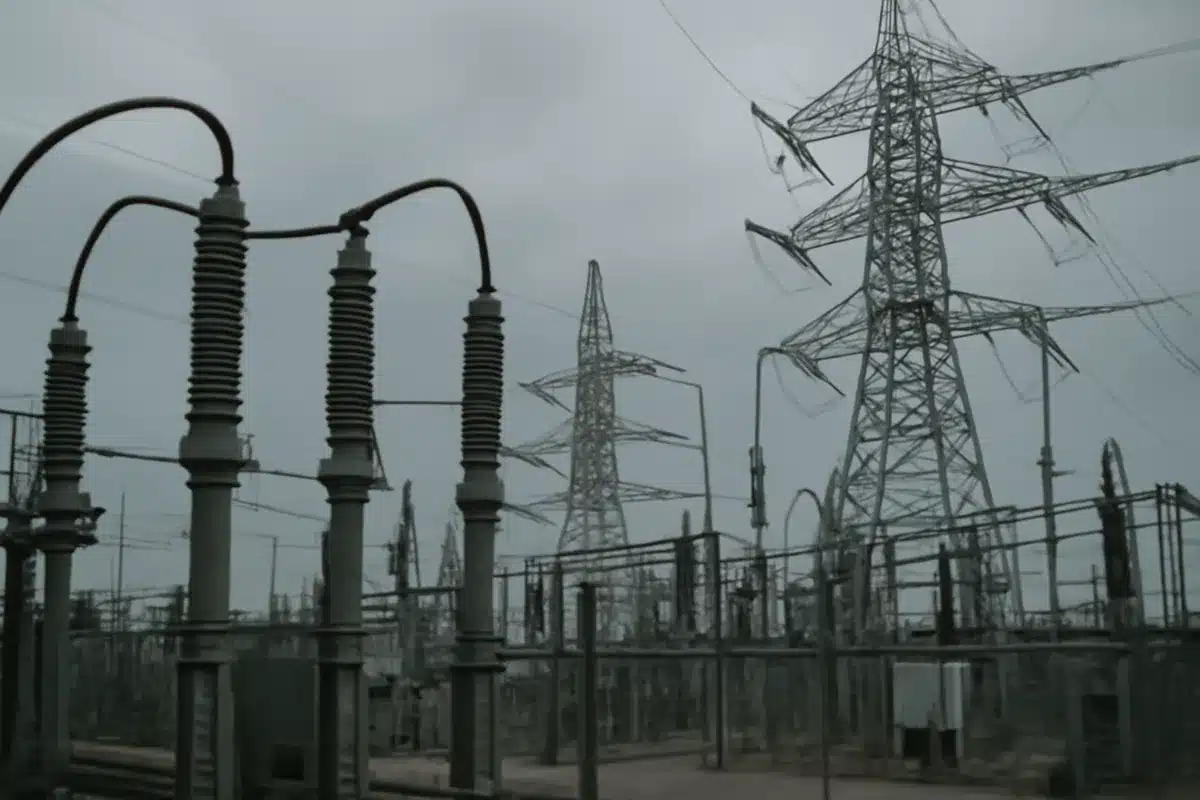
The April 2013 attack on Pacific Gas and Electric’s Metcalf substation fired 120 shots and destroyed 17 transformers, knocking out a critical junction where multiple high-voltage lines converge. It took 27 days for repair crews to bring the substation back online—while the grid still had power elsewhere to support the repair effort. Wellinghoff’s subsequent analysis revealed a far more alarming scenario: if nine key substations across the three major U.S. interconnections (Eastern, Western, and Texas) were simultaneously disabled, the entire nation could lose power.
“If you knock out nine total substations along those three grids, you can black out the entire United States,” Wellinghoff said in the 2013 analysis. He noted that it didn’t matter which nine were targeted, as long as each was among the 10 most critical in its region, and that such an attack could theoretically be executed in 20 minutes.
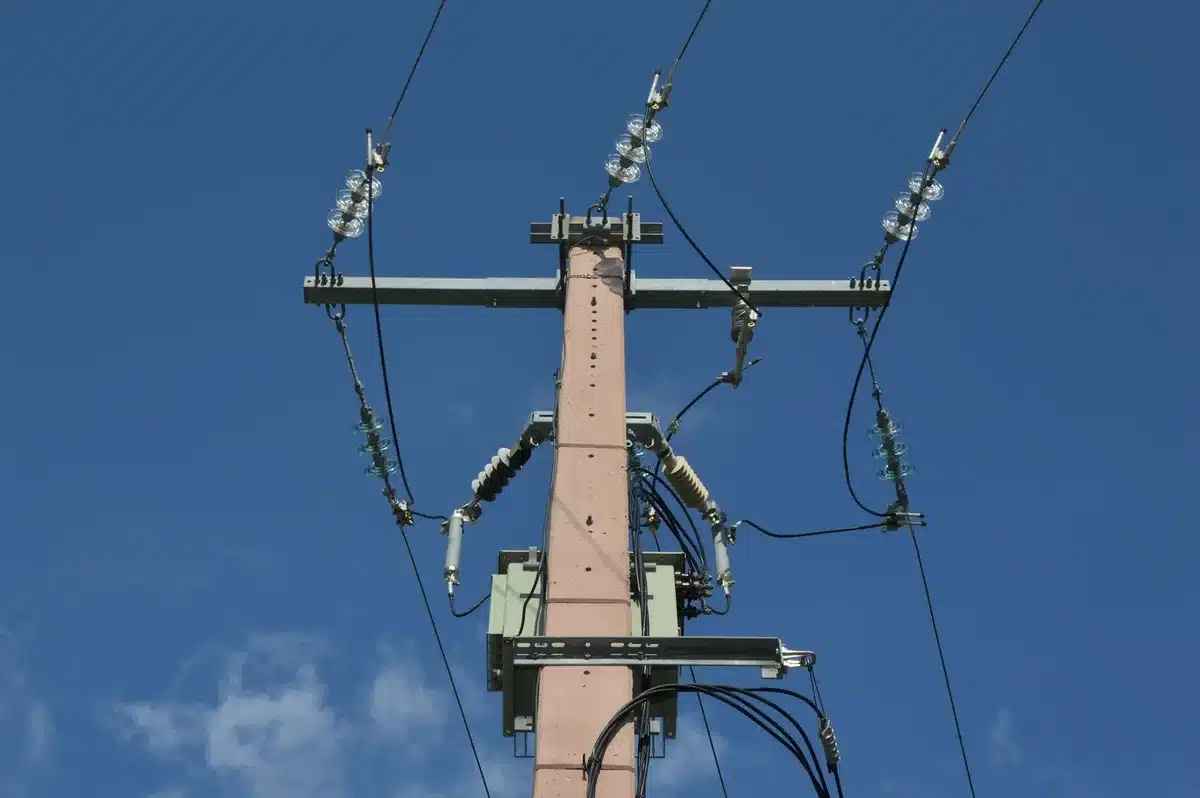
The 18-month duration stems from a cascading infrastructure problem. If grid repair experts took a month to fix a single substation during normal operations, recovery during a nationwide blackout would take dramatically longer—there would be no functioning grid to support the massive repair effort, and replacement transformers face severe supply constraints. More than 75 percent of the nation’s distribution transformers are older than their 50-year design life, according to transformer manufacturers. Large power transformers at major substations, which handle tens of thousands or hundreds of thousands of volts, have seen replacement lead times balloon from less than a year in 2021 to 128 weeks by 2026.
The transformer shortage reflects a structural supply-chain crisis. Domestic production can meet only about 20 percent of U.S. demand, and prices have risen 60 to 80 percent since 2020. The problem has only intensified as data center power demand surges 26 percent in 2026 as AI drives electricity consumption, straining an already aging grid that has seen minimal modernization in decades.
Wellinghoff briefed the White House, Congress, and the Department of Energy about his findings in 2013, but the grid remains vulnerable. The Metcalf attack itself remains unsolved, with no arrests made. The warning about cascading failure has only grown more urgent as electricity demand continues climbing at 2 to 3.5 percent annually through the 2030s, driven largely by data centers and AI infrastructure.
Why Recovery Would Take So Long
The 18-month estimate reflects the time needed to replace multiple massive transformers while the grid is completely offline. Unlike the 2003 Northeast blackout—the largest in U.S. history, which affected 50 million people but was restored within four days—a coordinated attack on critical substations would disable the grid’s ability to support its own repair infrastructure. Hospitals, water treatment plants, and fuel refineries would all lose power simultaneously, making large-scale recovery efforts nearly impossible.
Wellinghoff has argued that the solution requires immediate hardening of critical substations and dramatic expansion of transformer manufacturing capacity. The current system leaves nine points of catastrophic vulnerability, each one capable of triggering a nationwide collapse. US grid faces 18-month blackout risk from aging infrastructure, FERC warns, and the agency has since issued broader reliability directives, though critics argue they do not go far enough to address the specific substation vulnerability Wellinghoff identified.
Energy analyst Ajey Pandey, a former municipal resource planner, described the transformer shortage as “hair-on-fire, biting-my-nails, losing-sleep levels of bad.” Tim Holt, who leads grid technologies for Siemens Energy, warned that transformer demand in 2027 is expected to more than double the demand seen in 2020, exacerbating the replacement bottleneck even further.
Sources
- New York Post — Wellinghoff’s 18-month blackout warning, the 2013 FERC analysis, the Metcalf substation attack details, transformer age and replacement lead times, and industry analyst commentary.
- Reuters — Record electricity demand forecasts and grid reliability concerns in 2026.
- Department of Energy — August 2003 Northeast blackout details and duration.
- ChinaTalk — Transformer supply shortage statistics and domestic production capacity figures.