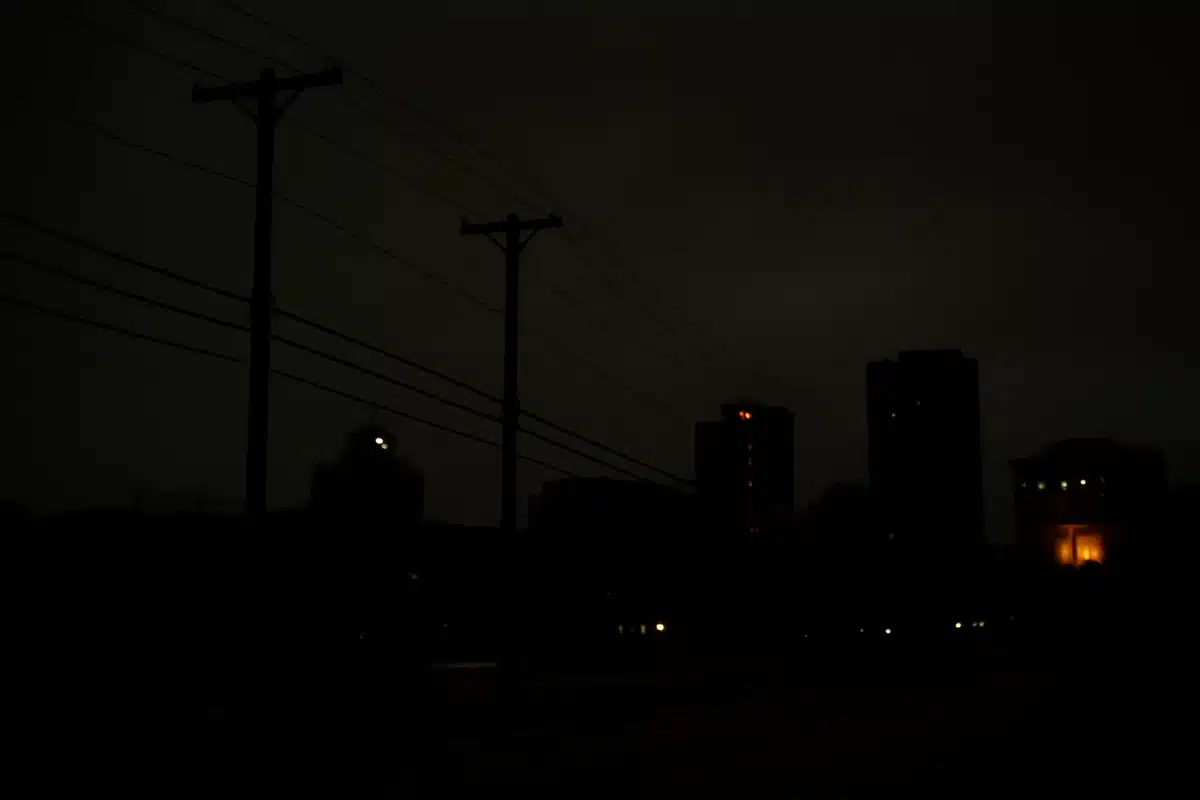
The U.S. power grid faces an 18-month blackout risk from aging infrastructure and critical vulnerabilities, according to a warning from Jon Wellinghoff, former chair of the Federal Energy Regulatory Commission, who detailed the findings in a new report to The New York Times Magazine. A FERC analysis conducted after a 2013 sniper attack on a California electrical substation showed that the entire U.S. grid could be disrupted if nine critical substations—among the 10 most important in the country’s three regional interconnections—were simultaneously knocked out.
The vulnerability stems from the grid’s age and the time required to replace transformers. More than 75% of distribution transformers are older than their 50-year design life, while large power transformers averaged 38-40 years old in 2014, according to reporting by the New York Times Magazine. Replacement wait times have become a critical bottleneck: the average time to replace a large transformer at a major substation jumped from less than a year to 128 weeks since 2021, with some lead times exceeding five years, the publication reported.

Wellinghoff’s concern centers on both physical attacks and the grid’s current state of disrepair. He noted that knocking out the nine critical substations could be accomplished in 20 minutes, and that the locations are easily identifiable on publicly available maps. When Pacific Gas and Electric’s Metcalf substation near San Jose was attacked by gunmen in April 2013—resulting in 17 damaged transformers—it took 27 days to restore service even while the rest of the grid remained operational, according to the New York Post. During a nationwide blackout, Wellinghoff warned, repairs would take far longer.
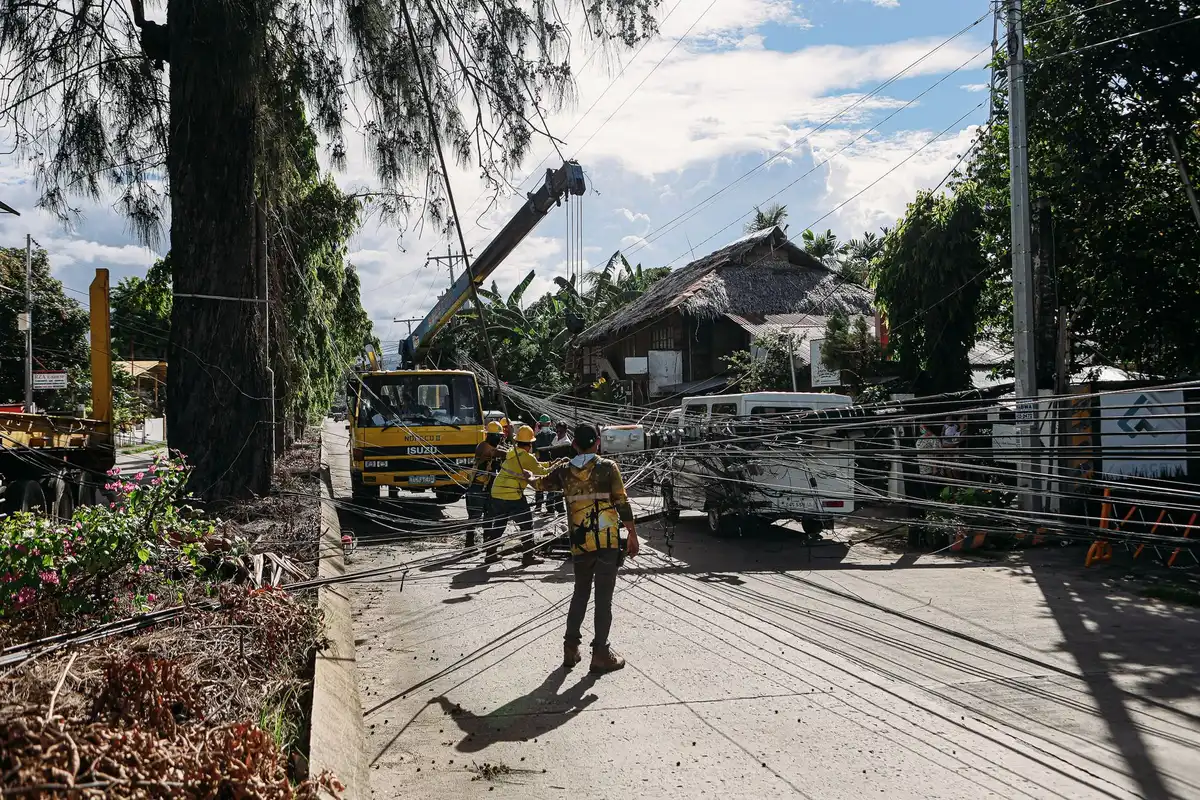
The aging grid’s fragility is already visible in recent weather events. An August 11 storm in northwest Indiana left more than 75,000 customers without power, with full restoration not expected until August 25, according to Cleveland.com. The storm brought 99 mph winds and required replacement of 300 utility poles and 44 transmission poles, with officials describing the work as system rebuilding rather than simple repair.
The transformer shortage is compounded by surging demand. Transformer manufacturers are warning that demand in 2027 is expected to more than double the 2020 level, driven by data center growth, electrification of heating and transportation, and manufacturing expansion. Ajey Pandey, an energy analyst and former municipal resource planner, told ChinaTalk that the shortage is “hair-on-fire, biting-my-nails, losing-sleep levels of bad.” Tim Holt, grid technologies director for Siemens Energy, predicted that the U.S. will spend on grid modernization in the next 15 years an amount equal to what was spent in the prior 150 years.
The warnings come as the grid faces multiple stressors. Over 70% of transmission lines in the U.S. are more than 25 years old, making them prone to outages during extreme weather. Electricity demand continues to rise from manufacturing, data centers, and electrification efforts, straining a system designed decades ago. Winter storm season approaches, which historically brings additional pressure to aging infrastructure vulnerable to ice, high winds, and extreme cold.
Sources
- New York Post — Wellinghoff’s warnings on 18-month blackout risk, transformer age data, Metcalf substation attack details, and replacement wait times
- Cleveland.com — FERC analysis findings, grid interconnection vulnerability, Indiana storm outage details, and transformer replacement timeline
- New York Times Magazine — Detailed analysis of grid infrastructure age, transformer life expectancy, replacement lead times, and expert commentary
- Industrial Sage — Confirmation of 128-week transformer lead times as of May 2026
- Power Magazine — Transformer demand projections and supply chain analysis