The 2026-2027 winter storm season is shaping up to bring sharp regional contrasts across the United States, according to the Farmers’ Almanac, which has issued its annual forecast based on a proprietary formula combining solar activity, lunar influences, and historical weather patterns. The outlook calls for an active and wet southern storm track, quick bursts of cold and snow across the north, and a particularly unpredictable mix of rain, sleet, freezing rain, and heavy wet snow in the Northeast.
El Niño is expected to be a major driver of the winter pattern, with NOAA forecasting a 63% chance of a “very strong” El Niño event during the Northern Hemisphere fall and winter 2026-2027, peaking this season. According to NOAA, El Niño typically shifts the jet stream southward, bringing the storm track over the southern tier of the U.S. and increasing chances of both rain and snow in the Southern U.S., while conditions over the northern Plains and Upper Midwest may trend drier overall.
The southern tier, from California and the Desert Southwest through Texas, the Gulf Coast, and the Southeast, should watch for frequent storm systems and occasional cold air surges. When colder air collides with abundant moisture from the Gulf of Mexico, some storms could produce sleet, freezing rain, or heavy, wet snow, with the southern Rockies expected to fare well for mountain snowfall. Across the West, northern Plains, Upper Midwest, and Great Lakes, temperatures should average near normal overall, but fast-moving clippers, sudden cold snaps, and brief snowy periods are likely, according to the Farmers’ Almanac.
The Northeast faces one of the season’s most complicated patterns. Coastal communities could receive more rain or mixed precipitation, while inland areas may be hit by several rounds of heavy, wet snow, particularly during January and February. Small shifts in storm tracks and temperatures could make the difference between rain, sleet, freezing rain, and accumulating snow—a dynamic that means residents should be prepared for forecasts to change quickly as storms approach.
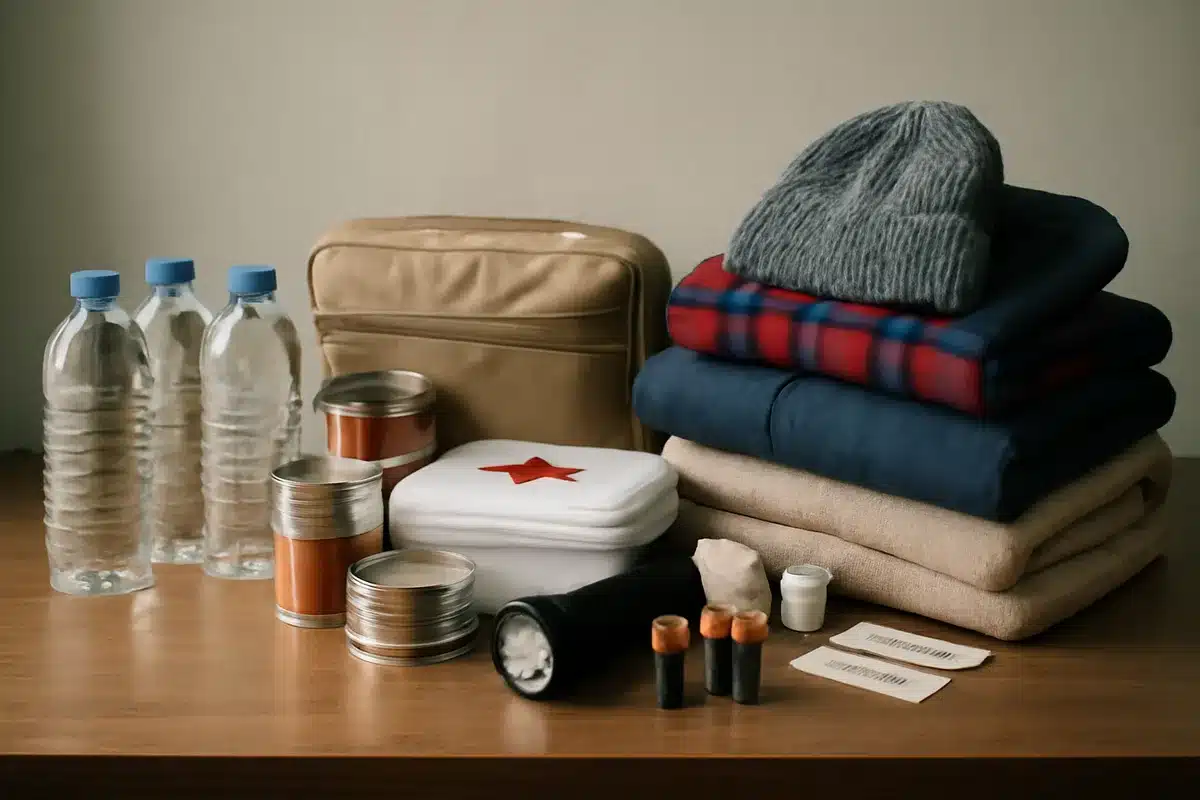
Preparing now can reduce the impact of severe winter weather. FEMA and the Red Cross recommend assembling an emergency kit well before winter arrives, including at least one gallon of water per person per day for several days, non-perishable food that does not require cooking, prescription medications and first-aid supplies, flashlights with extra batteries, power banks and phone chargers, blankets and extra warm clothing, and winter gear such as hand warmers and textured grip shoes. For vehicles, include a blanket, first aid kit, boots, jumper cables, a snow shovel, ice scraper, and rock salt.

The January 23-27, 2026 winter storm, known as Winter Storm Fern or Snowmageddon, demonstrated the severity that winter weather can inflict. That storm brought over two feet of snow to some locations in New Mexico and New England, and up to an inch of ice across the Southern United States, causing widespread power outages lasting up to a week in some locations. The storm resulted in 174 deaths and over $4 billion in damage, with more than one million customers losing power. Twenty-four state governors issued emergency declarations in response, and the storm cancelled or postponed over 10,000 flights nationwide. According to FEMA, winter storms can cause unsafe travel conditions, prolonged power outages, and disrupt routines while creating higher risks of car accidents, hypothermia, frostbite, and heart attacks from overexertion.
Beyond home and vehicle supplies, households should also prepare their homes for power loss and freezing temperatures. This includes keeping phones and power banks fully charged, trimming trees and removing dead branches near the home, and having backup medications and alternative ways to charge medical devices. Families should also make childcare arrangements in advance if needed and check with schools about remote learning plans, since snow and icy conditions can lead to delays, early dismissals, or closures.
The Farmers’ Almanac has issued winter forecasts since 1818, making it the longest-running long-range weather forecast in North America. The 2026-2027 outlook advises keeping snow shovels, rain boots, and ice scrapers close at hand, as the season may require all three.
Sources
- Farmers’ Almanac — 2026-2027 winter weather forecast with regional outlooks for snow, precipitation, and temperature patterns
- NOAA — El Niño formation, strength probabilities, and typical impacts on U.S. winter weather patterns
- FEMA — Winter storm preparedness steps, emergency supply checklists, and home protection measures
- Red Cross — Winter storm preparedness and emergency supply kit recommendations
- Wikipedia — January 23-27, 2026 North American winter storm impacts, damage, and fatalities
- Ready.gov — Basic disaster supplies kit and emergency planning resources