Widespread power outages are affecting hundreds of thousands of customers across multiple US states, with Tennessee, Indiana, and Mississippi reporting the highest numbers of people without electricity. According to real-time outage tracking data, more than 244,000 customers are currently without power as of August 23, 2026, with Tennessee alone reporting over 110,000 outages and Indiana experiencing more than 30,000.
To check if your area is affected and find estimated restoration times, most utility companies maintain dedicated outage maps that update every 10 to 30 minutes. Duke Energy, First Energy, PG&E, Oncor, and Alabama Power all operate public outage maps where customers can enter their address or zip code to see real-time status. National tracking sites like PowerOutage.us also aggregate data from utilities nationwide, allowing you to monitor outages across your state or region.
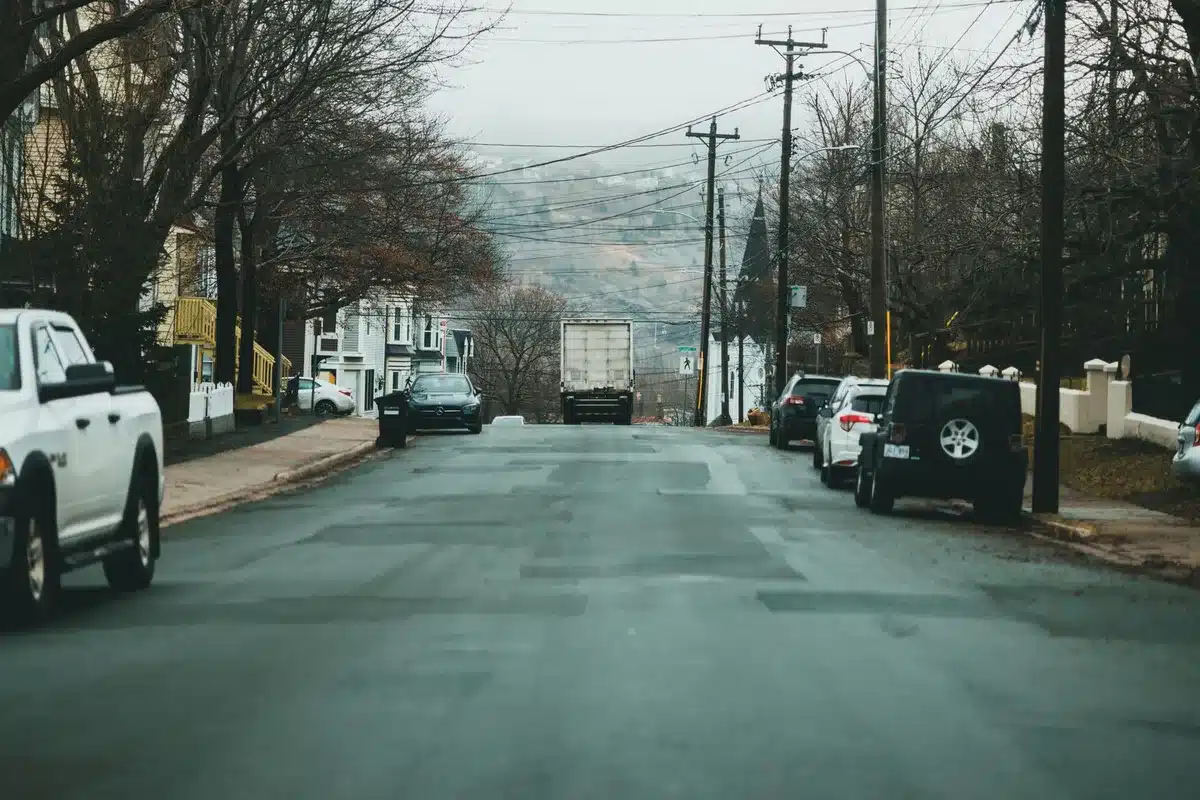
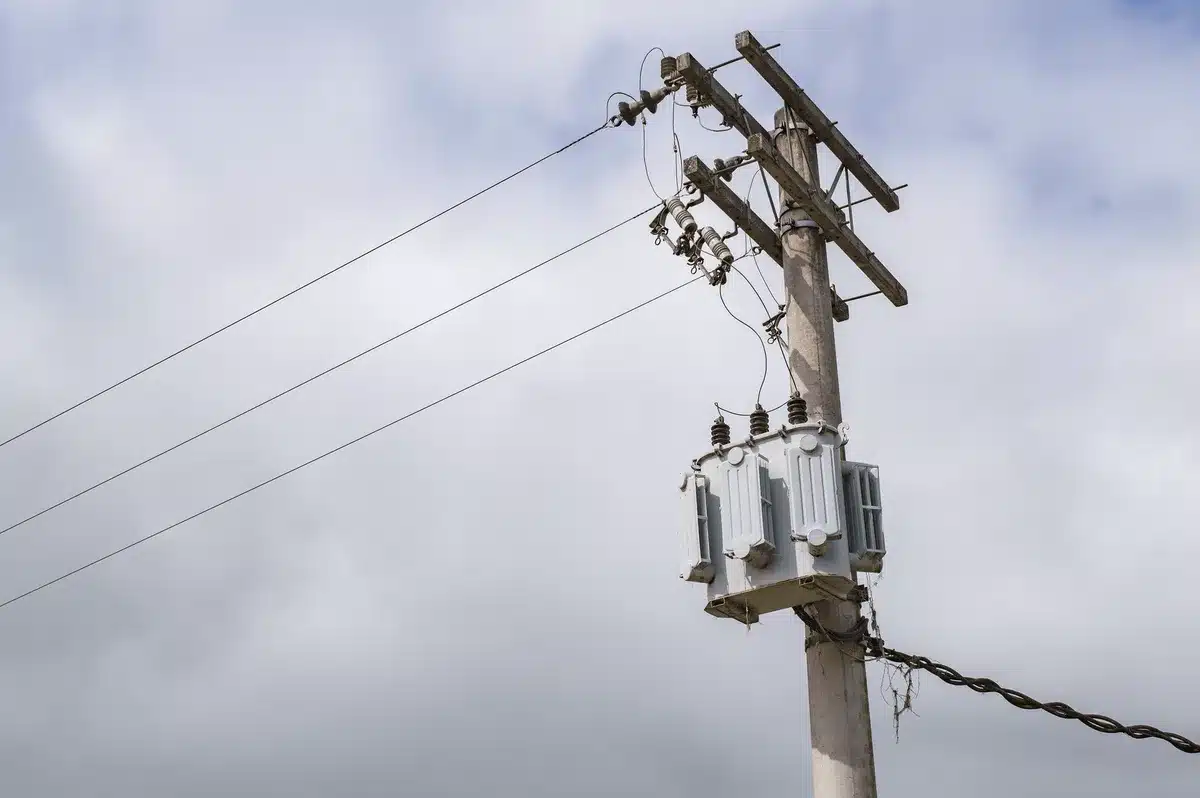
The frequency of major outages has increased throughout 2026, with the US experiencing significant weather-related blackouts nearly every month. Equipment failures and severe weather events—from thunderstorms to heat waves—have strained an aging electrical grid. According to energy infrastructure reports, approximately 75% of distribution transformers, the type commonly seen on street corners and utility poles, are now older than their 50-year design lifespan, making them more prone to failure.
The challenge of replacing aging equipment has worsened significantly. The average wait time to replace large power transformers at major substations has jumped from less than a year in 2021 to 128 weeks as of 2026, with some lead times exceeding five years. Energy analysts have described the transformer shortage as critical, with demand expected to more than double by 2027 compared to 2020 levels.
The vulnerability of the aging grid extends beyond weather-related outages. Former Federal Energy Regulatory Commission chair Jon Wellinghoff has warned that the US power grid faces significant risks from potential coordinated attacks on critical infrastructure. In a 2013 analysis, Wellinghoff determined that knocking out just nine critical substations across the nation’s three interconnections could black out the entire United States, with repairs potentially taking 18 months or longer.
When reporting an outage, most utilities recommend using their mobile apps or websites rather than calling, to keep phone lines available for emergency reports. If you see downed power lines, stay at least 10 feet away and report them immediately to your utility company.
Sources
- PowerOutage.us — Real-time outage data showing 244,373 customers without power across the US, with state-by-state breakdown
- New York Post — Report on aging grid infrastructure, transformer replacement timelines, and FERC vulnerability analysis
- DataForSEO search results — Information on utility company outage maps (Duke Energy, First Energy, PG&E, Oncor, Alabama Power, Eversource, Idaho Power, Xcel Energy, United Power)