Iranian President Masoud Pezeshkian defended a failed US ceasefire agreement as the best available path to end the months-long war, arguing on August 21 that Tehran should conclude the conflict from a position of strength even as the Trump administration pivots to economic isolation. “It is better that we bring the war to an end now as we are in a position of power and dignity,” Pezeshkian said in remarks to doctors in Tehran, asserting that the world has acknowledged Iran’s military and political victory over the United States.
Pezeshkian’s comments reflect an internal debate within Iran’s leadership over whether the country can sustain the conflict amid mounting economic pressure. The president defended the interim Memorandum of Understanding signed between Iran and the US in June, describing it as “dignified” and claiming that Iran had made no concessions while the US had taken on “all obligations.” The 14-point agreement was designed to gradually reopen the Strait of Hormuz and lay the foundation for broader peace talks.
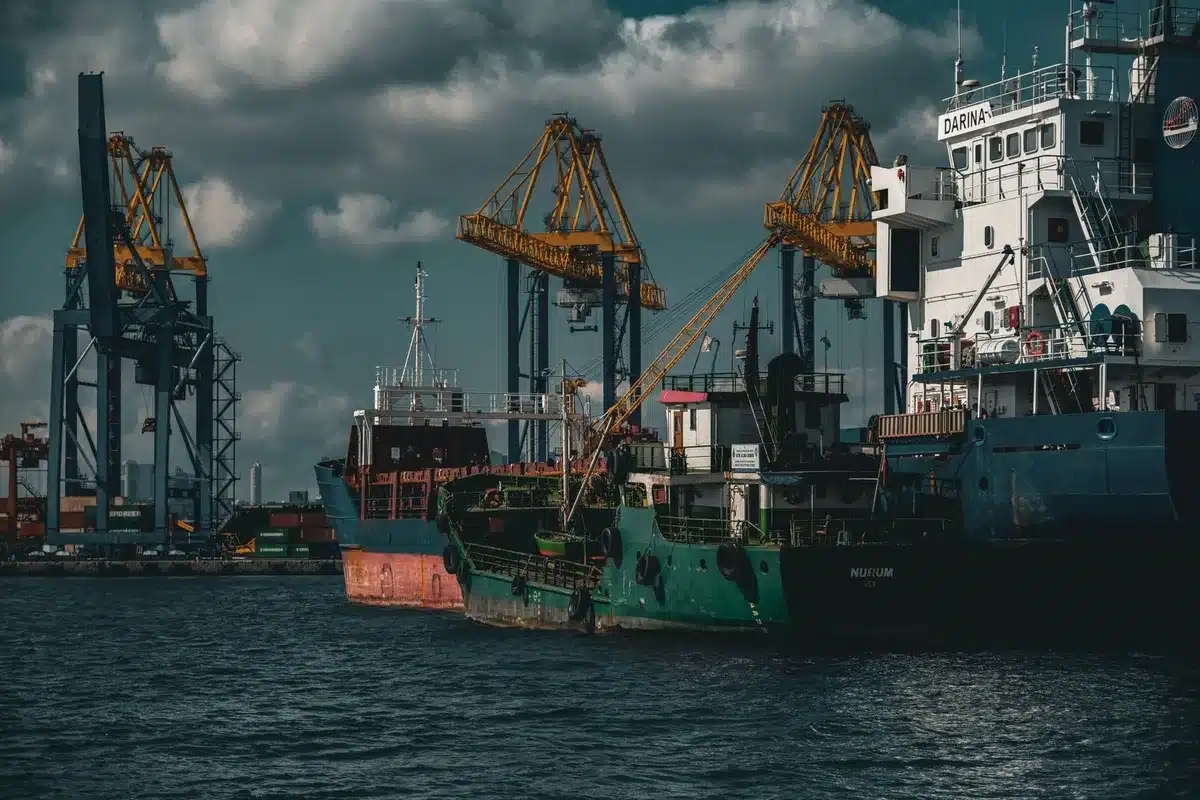
The June agreement collapsed within a month. Disagreements erupted almost immediately over who controlled shipping routes through the Strait of Hormuz, with Iran targeting vessels that did not follow approved corridors. The US responded with strikes on Iranian military sites, and both sides accused each other of violating the ceasefire. On July 7, Trump declared the agreement “over” as US attacks continued.
The memorandum expired on August 17, leaving negotiations deadlocked. Joey Hood, the former acting director of the Office of Iranian Affairs at the US State Department, told Al Jazeera the agreement “was doomed to fail” because of ambiguous wording that allowed Iran to claim sovereignty over the Strait of Hormuz and Lebanon’s future. Khalid Al-Jaber, executive director of the Middle East Council on Global Affairs, noted that the agreement’s fundamental problem was that “it allowed Washington and Tehran to interpret key provisions differently and, in effect, allowed both sides to present the outcome as a victory.”
Economic Pressure Replaces Diplomacy
Meanwhile, Trump announced a fresh campaign of economic warfare against Iran this week. US Treasury Secretary Scott Bessent said Washington would seek to “collapse” the Islamic Republic with what he called “the toughest sanctions in history.” The president threatened “tremendous economic consequences” for any nation allowing its financial institutions, businesses, or government entities to provide support to Iran.
The economic toll on Iran is severe. Abdolnaser Hemmati, Iran’s central bank governor, said this week that the country’s oil exports have halted entirely, affecting oil sales revenues. “It is a reality that we are not exporting oil,” he said. “The Americans have frozen our foreign exchange reserves and do not allow us to access them.” Iran declared victory in war as Trump shifts to economic pressure, yet the military campaign had reached its limits—Pentagon advisers reported last month that the US had nearly exhausted its list of targets.
Parliamentary Speaker Mohammad Bagher Ghalibaf, Iran’s chief negotiator, warned that military strength alone cannot sustain the country. Speaking in Iraq on Friday, he said: “No matter how strong we are militarily, if the people are hungry and we do not have financial circulation, economic growth and domestic production, we will not endure. We must plan to overcome these oppressive sanctions.”
The regime’s military decision-makers, including the Revolutionary Guards, have insisted that Washington cannot be trusted and that Iran can resist economic pressure and extract a greater cost before agreeing to a final settlement. However, officials like Pezeshkian have grown more vocal about the need for a negotiated end to the conflict while Iran still holds leverage. Iran warns countries joining US economic war will be treated as ‘enemies’, with security chief Mohsen Rezaei declaring on August 23 that nations participating in US sanctions would face Iranian retaliation.
The impasse reflects deeper structural challenges. A White House official noted that the Iranian governing structure is fractured into three separate factions—the Islamic Revolutionary Guard Corps, religious clerics, and government leadership—whose goals often conflict. White House won’t extend Iran ceasefire as 60-day deal expires, with officials stating that “they keep changing the goalposts.” An Iranian official stated that Tehran would shift to a “fully offensive” military posture as peace talks have stalled, signaling no intention of winding down the conflict but instead widening it to raise costs for the U.S. and its regional allies.
Sources
- Financial Times — Pezeshkian’s August 21 call to end war from position of strength; debate within Iranian regime over economic pressure; details on MoU defense; statements from Hemmati and Mirzaei on oil exports and reserves.
- Al Jazeera — Collapse of June MoU; shipping route disputes; expert analysis from Hood and Al-Jaber on ambiguous wording and failure mechanisms.
- Politico — White House characterization of negotiations as “static”; sticking points including frozen Iranian assets and Strait of Hormuz control; fractured Iranian governing structure.
- Reuters — Iran’s statement on shifting to “fully offensive” military posture; stalled negotiations and core disputes.
- The Guardian — Trump’s economic campaign announcement; Pentagon advisers’ assessment that military campaign reached limits; Iran’s hard-line leadership intention to widen conflict.
- NPR — Analysis on economic pressure effectiveness; China’s rejection of sanctions pressure.