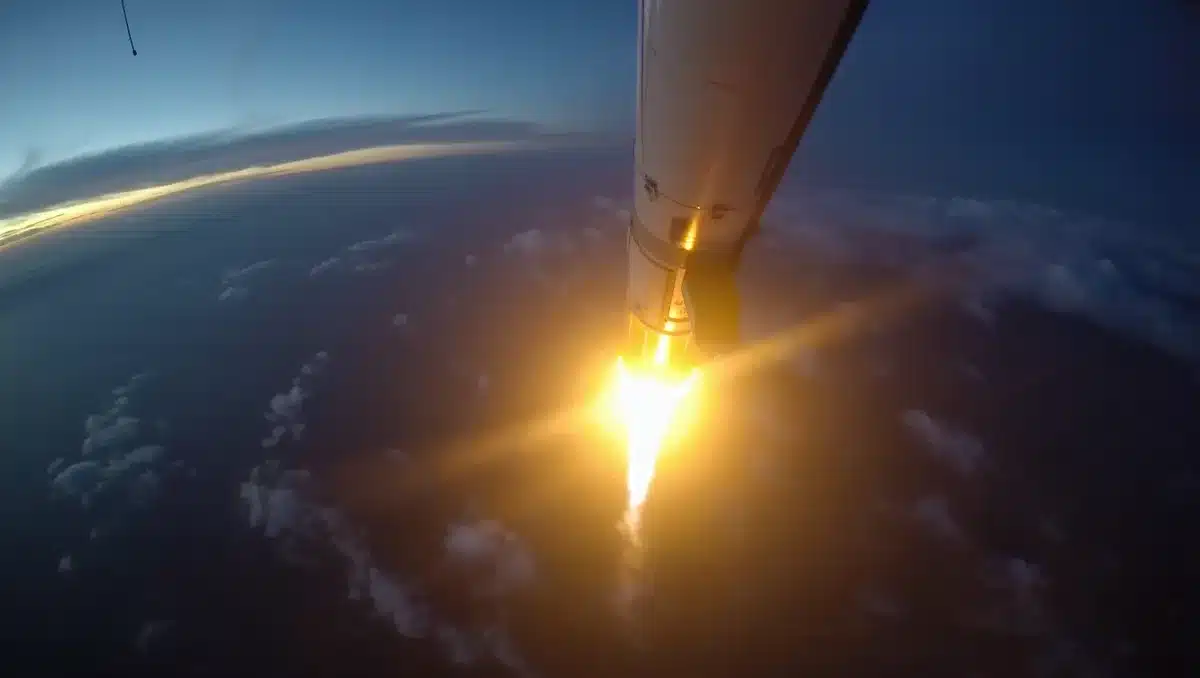
A SpaceX Falcon 9 rocket launched from Cape Canaveral Space Force Station early Thursday, July 30, 2026, at 3:09 a.m. EDT carrying a classified national security payload, and residents across Central Florida heard and felt the sonic boom when the booster returned and landed minutes after liftoff. The mission, designated NROL-95, carried a classified payload for the National Reconnaissance Office, and the return-to-launch-site landing triggered one or more sonic booms that residents in Orange, Seminole, Brevard, Polk, Volusia, and other nearby counties reported hearing overnight.
The booster that landed was on its seventh flight, having previously supported missions for KF-01, IMAP, NROL-77, GPS III-9, CRS-34, and one Starlink launch. SpaceX regularly reuses first-stage boosters to reduce launch costs and increase flight frequency on the Space Coast.
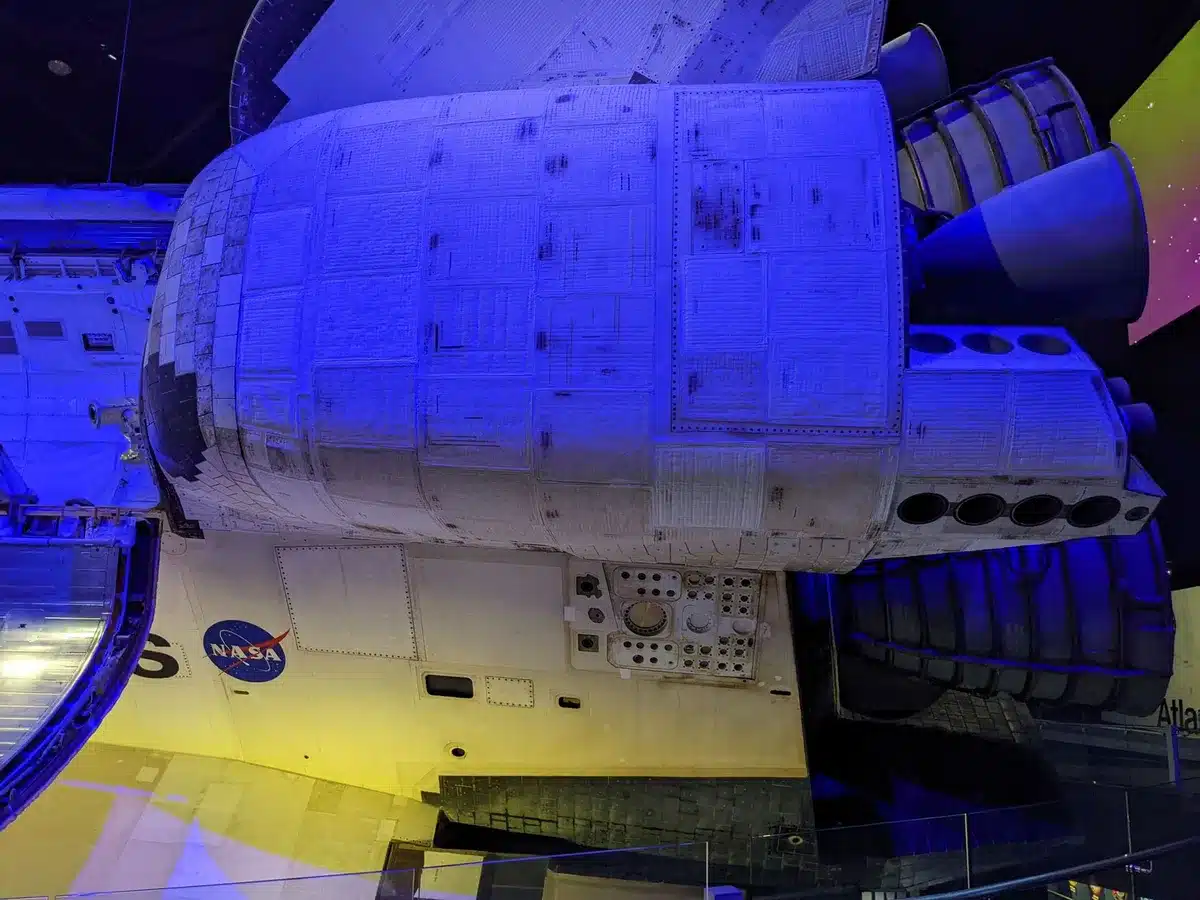
A sonic boom is a sound associated with shock waves created when an object travels through the air faster than the speed of sound—about 750 miles per hour at sea level. When the Falcon 9 booster descends after launch, it reaches supersonic speeds during reentry, compressing the air in front of it and creating a thunderous sound that propagates across the region.
Temperature, humidity, and wind all affect how far and how loudly sonic booms travel, meaning Central Florida residents are more likely to hear them during the state’s warm, muggy summer months than during cooler, drier winter periods. The booms are not a threat, but they are loud and can startle residents, with some calling 911 after being awakened by the sound.
SpaceX launches from Florida have become increasingly frequent. As of mid-2024, there had been 37 Florida rocket launches, with the bulk of those SpaceX Falcon 9 rockets and many more scheduled throughout 2026. The NROL-95 mission represents one of several national security launches SpaceX conducts for the U.S. government, with the Space Force awarding SpaceX $1.6 billion on July 29, 2026, for 18 additional Falcon 9 missions through 2027 carrying Pentagon and national reconnaissance payloads.
SpaceX also launched a Falcon 9 with a classified spy satellite from Cape Canaveral on July 30, the same day as the NROL-95 mission, continuing the company’s role as the primary commercial provider for U.S. national security space launches. The frequent launches mean Central Florida residents can expect additional sonic booms as booster landings continue at the Space Coast.
Sources
- ClickOrlando — confirmed Falcon 9 launch on July 30, 2026 at 3:09 a.m. EDT carrying NROL-95 classified payload, booster landing triggered sonic booms in Orange and Seminole counties, booster on seventh flight, sonic boom mechanism and weather effects
- Space.com — confirmed SpaceX launched classified reconnaissance mission for U.S. government on July 30, 2026 at 3:10 a.m., payload for National Reconnaissance Office
- Reuters — reported classified payload for National Reconnaissance Office launched July 30, 2026
- Spaceflight Now — confirmed classified payload launch for National Reconnaissance Office, liftoff at 3:10 a.m. EDT
- Keep Track Space — confirmed Space Force awarded SpaceX $1.6 billion for 18 Falcon 9 launches through 2027 on July 30, 2026
- CFPublic — explained sonic boom mechanism and precedent of Falcon Heavy launches producing sonic booms in Central Florida