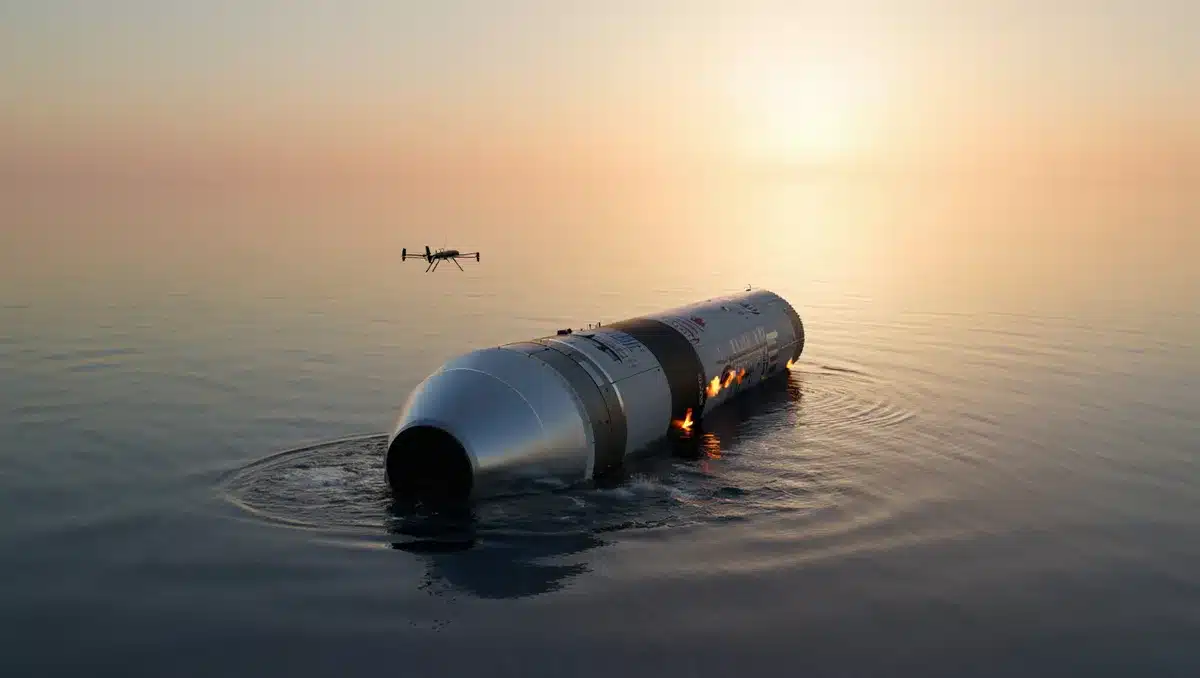
SpaceX’s Starship upper stage floated intact in the Indian Ocean after a successful test flight on July 24, 2026, marking the first time the vehicle survived a splashdown without structural damage. The milestone came during Starship Flight 13, the second test of SpaceX’s third-generation rocket launched from the company’s Starbase facility in Texas.
The 407-foot-tall Super Heavy-Starship lifted off at 5:51 p.m. EDT with all 33 first-stage engines firing normally, powering through clear skies. While the booster experienced a “hard” splashdown in the Gulf of Mexico after only 10 of its 13 engines restarted, the Starship upper stage (Ship 40) completed a flawless ascent and sub-orbital hop across the Indian Ocean.
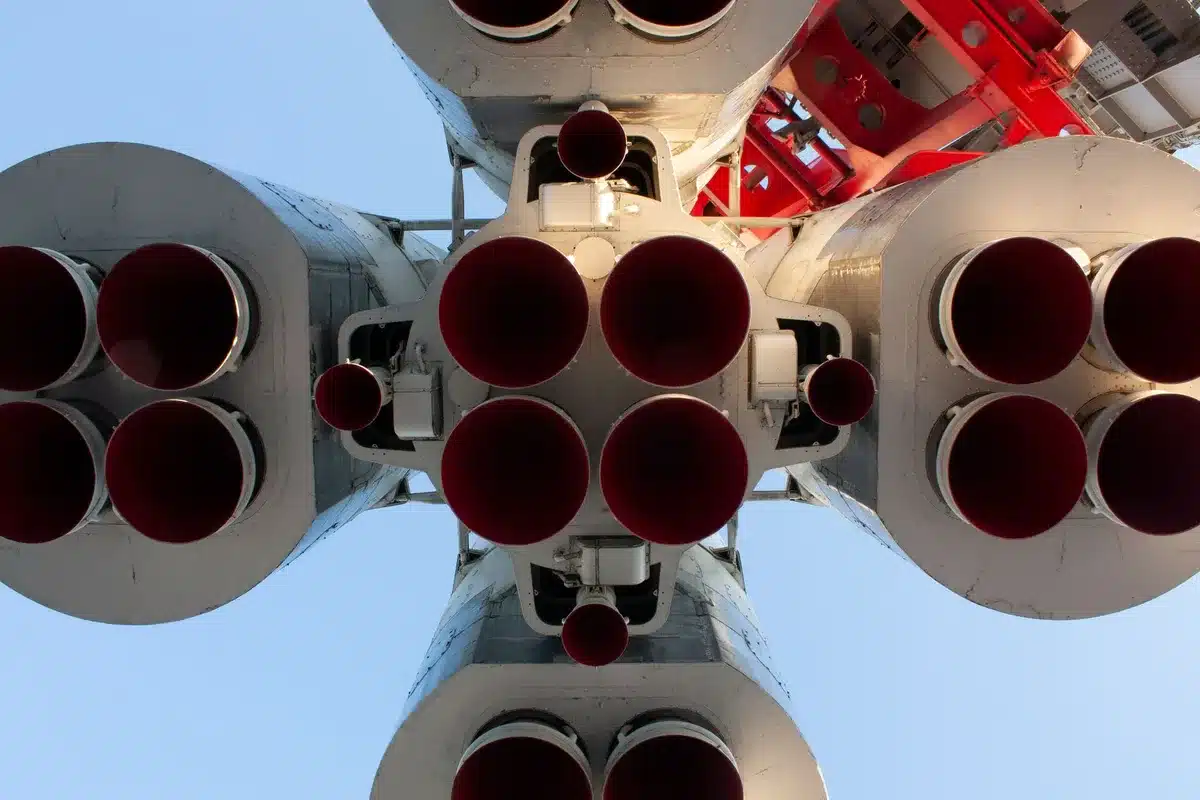
During its climb to space, the Starship deployed 20 third-generation Starlink internet satellites, releasing them one at a time from a slot near the nose of the vehicle. Six of those satellites were equipped with cameras to inspect the Starship’s heat shield tiles and assess the vehicle’s condition, helping engineers determine whether such video inspections will be useful before future re-entries.
The spacecraft then executed a controlled belly-first re-entry through the blazing heat of the upper atmosphere before flipping upright and executing a powered descent to splashdown one hour and five minutes after launch. For the first time in Starship’s test flight history, the upper stage remained fully intact and floating, allowing its onboard cameras to continue operating and transmitting data from the water’s surface.
This intact recovery represents a critical step toward SpaceX’s longer-term goals. NASA is counting on a variant of the Starship upper stage to serve as a lunar lander for astronauts in the agency’s Artemis program, with the first crewed moon landing targeted for 2028. For those missions, SpaceX will need to demonstrate the ability to launch multiple Super Heavy-Starship tankers to refuel the lander in orbit before it heads to the moon.
Flight 13 built on lessons learned during Flight 12 in May, when the booster missed its landing target and the Starship suffered an early engine shutdown. The booster’s engine restart challenges on Flight 13 underscore ongoing development work, but the upper stage’s flawless performance and intact splashdown signal major progress. The Government Accountability Office noted in a report released Thursday that SpaceX faces challenges with propellant transfer technologies and is more than a year behind its original schedule for key milestones, but the successful deployment of next-generation Starlink satellites and the heat shield inspection cameras demonstrate the vehicle’s maturing capability.
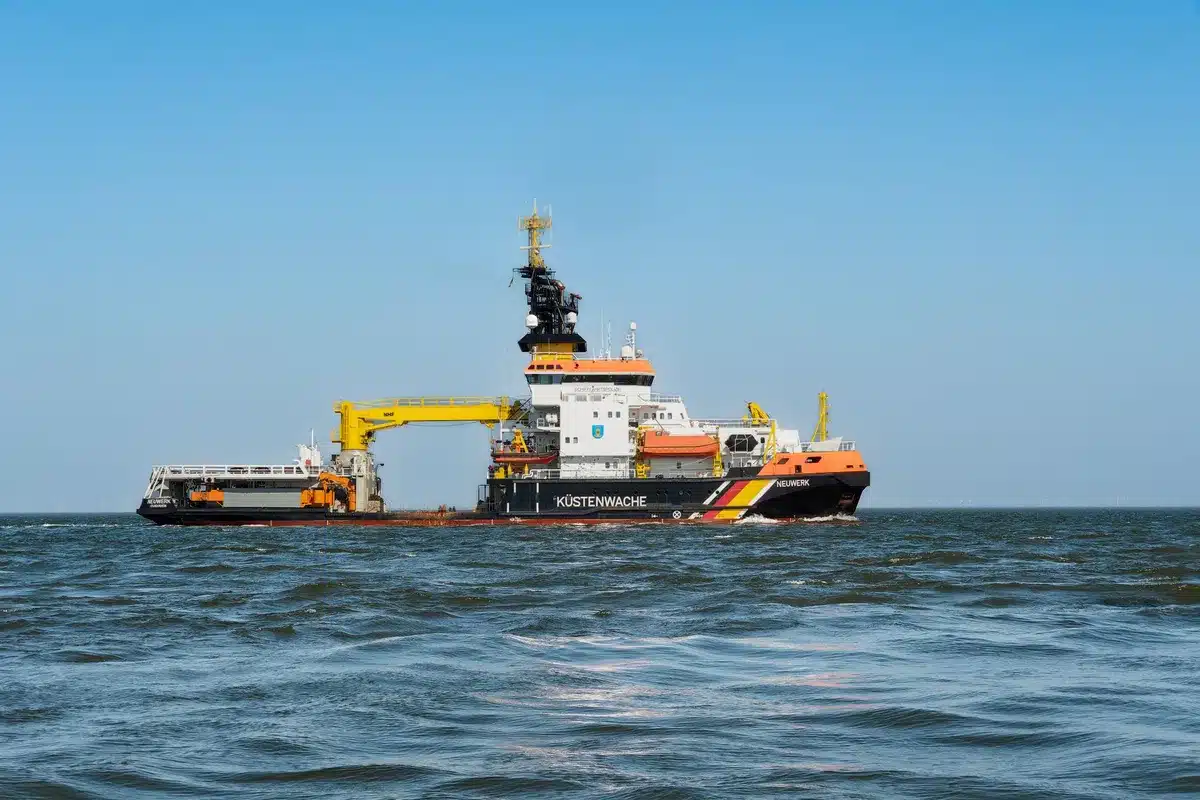
SpaceX has indicated it may attempt to tow the intact Starship back to shore, possibly to Australia, for detailed post-flight inspection and recovery. The ability to recover and reuse the upper stage intact could significantly reduce costs and accelerate the development timeline for operational Starship flights and eventual crewed lunar missions.
Sources
- Spaceflight Now — detailed coverage of Flight 13 launch, booster performance, upper stage deployment of Starlink satellites, and intact splashdown in Indian Ocean
- Space.com — confirmation of soft splashdown and structural integrity of Starship upper stage
- USA Today — reporting on successful deployment of Starlink satellites and soft intact landing
- Internal pool sources — confirmation of heat shield reentry test and Starlink V3 satellite deployment on Flight 13