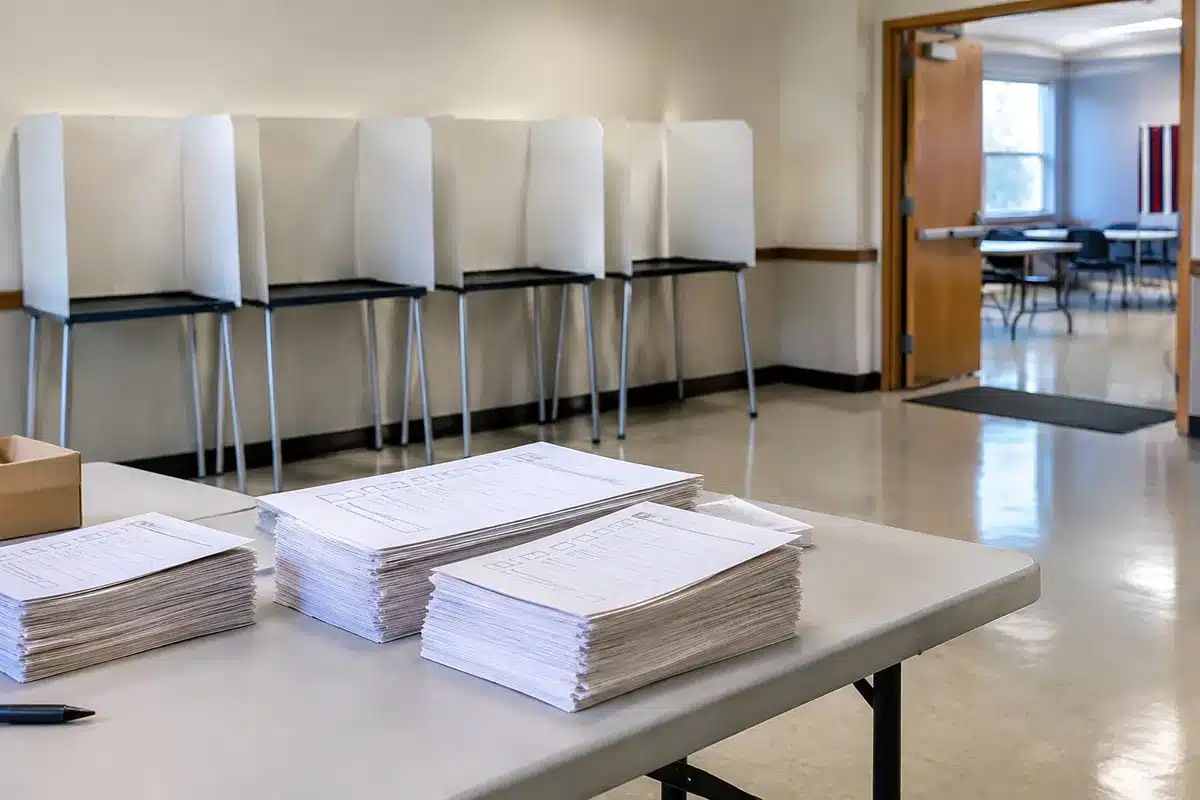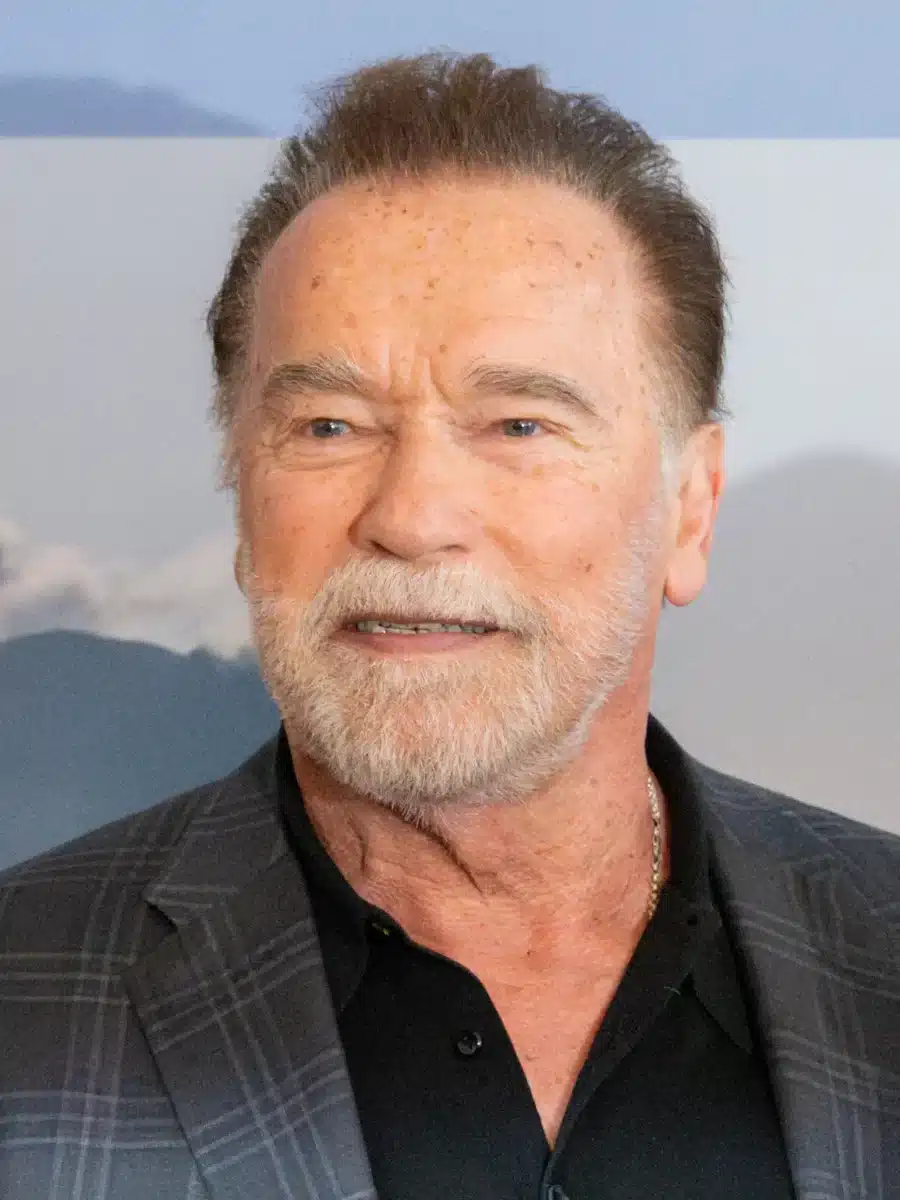
Abdul El-Sayed, a former Detroit health official and progressive firebrand, is running for Michigan’s U.S. Senate seat in a Democratic primary scheduled for August 4, 2026, directly challenging the party establishment’s definition of electability in one of the cycle’s highest-stakes races.
Key Democratic establishment figures believe El-Sayed will undermine the party’s chances of holding onto the critical Senate seat this fall. He is out to prove them wrong—and to demonstrate that voters crave something different than what party leaders assume they want. El-Sayed, 41, is backed by Vermont Sen. Bernie Sanders, New York Rep. Alexandria Ocasio-Cortez, and the United Auto Workers union, according to CNN.
The primary is now a head-to-head contest between El-Sayed and Rep. Haley Stevens, a moderate with a track record of winning in red districts. State Sen. Mallory McMorrow exited the race on July 5, clearing the path for a direct ideological clash. The Democratic nominee will face GOP ex-Rep. Mike Rogers in November. Michigan is a perpetual battleground where Democrats almost certainly need to retain the seat of retiring Sen. Gary Peters to have a realistic path to the four-seat gain the party needs to win a Senate majority, according to CNN.
El-Sayed’s rise in the primary has been unexpected. In 2018, he ran for governor on a similarly progressive platform and finished a distant second, losing to Gretchen Whitmer by 22 percentage points. This time, recent polling shows El-Sayed and Stevens statistically tied in the race, according to Michigan Advance. His surge has caught the Democratic establishment off guard and validated the idea that a progressive candidate can compete in a swing state.
The Michigan Senate primary reflects a broader fault line within the Democratic Party over strategy in the Trump era. One faction argues that battleground states are won by reassuring swing voters and projecting moderation. Another believes the party’s caution has become its own liability—that voters are hungry for candidates willing to confront entrenched power. El-Sayed’s campaign is built on the premise that what party leaders dismiss as unelectable may be what voters actually want.
On core issues, El-Sayed supports Medicare for All, wants to abolish Immigration and Customs Enforcement, and says the United States must cut off aid to Israel—a position that has made him a target of the American Israel Public Affairs Committee, whose super PAC has pumped millions into ads boosting Stevens, according to Time Magazine. He has also campaigned with left-wing Twitch streamer Hasan Piker, drawing criticism for the association.
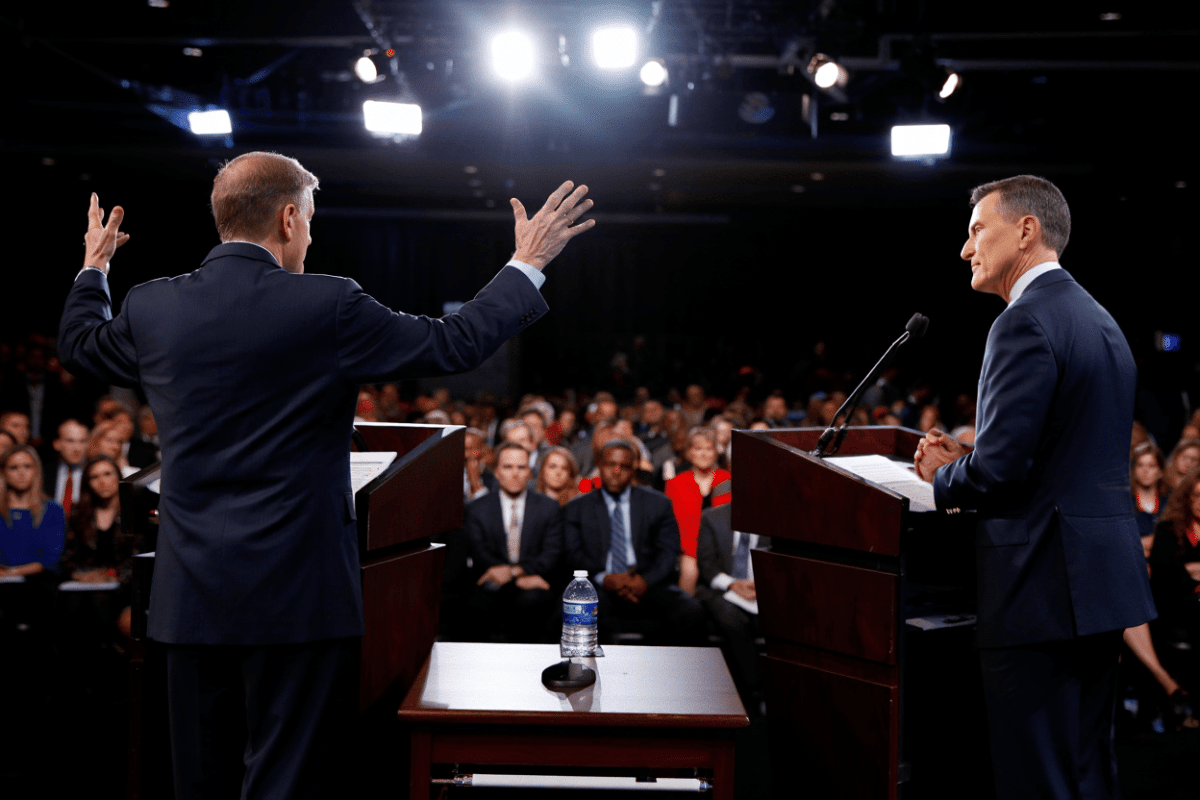
During a debate last week, Stevens described herself as a “workhorse” who gets things done in Washington, while El-Sayed criticized special interests trying to “buy a politician.” He said: “If you want your politics dictated to you by AIPAC or Chuck Schumer, then I’m not your guy,” referring to the Senate Democratic leader, according to CNN. Stevens, meanwhile, has lined up broad establishment support, including endorsements from former Michigan Senator Debbie Stabenow, state Attorney General Dana Nessel, and former House Speaker Nancy Pelosi.
El-Sayed argues that Michigan voters are not demanding carefully calibrated centrism but rather someone willing to shake up the status quo. He points to the state’s voting pattern: Michigan backed Bernie Sanders in the 2016 Democratic primary, then voted for Donald Trump in 2016, Joe Biden in 2020, and Trump again in 2024. “Michigan went for Bernie, then Trump, then Biden, then Trump,” El-Sayed told CNN. “Folks in the Midwest aren’t known for being scattered. They’re about as steady as they come. It’s just they keep going back to the buffet and not finding what they want.”
Democratic leaders worry that what works in the primary may not translate to a general election, especially in a swing state. But El-Sayed sees the warnings as evidence that Democrats have learned the wrong lessons from recent elections. The New Yorker reported that when El-Sayed met with Democratic Senatorial Campaign Committee officials, he warned them that if Schumer and outside groups opposed his candidacy, they would either get Stevens—risking a repeat of 2024, when Arab American voters angry at the Biden administration’s Israel policy helped deliver Michigan to Trump—or they would have to spend months rehabilitating him after AIPAC’s negative ads.
El-Sayed’s strength in the primary comes at a moment when progressive insurgent candidates are gaining traction nationally. New York City Mayor Zohran Mamdani’s upset victory in the Democratic mayoral primary last year electrified the left and validated the idea that unapologetic progressive candidates could win. El-Sayed’s campaign has drawn explicit comparisons to Mamdani’s approach, though El-Sayed insists he is not a democratic socialist, even though many of his signature policies overlap substantially with the agenda championed by his socialist backers.
The stakes for Democrats are enormous. Michigan is one of the few remaining true battlegrounds, and losing this Senate seat would significantly damage the party’s path to reclaiming the chamber. Yet El-Sayed’s emergence reflects real frustration within the Democratic base—particularly among younger voters, Arab Americans, and those skeptical of the party’s focus on electability over bold policy demands. Whether that frustration can translate into victory against Rogers in November remains the central question for Michigan Democrats.
Sources
- CNN — El-Sayed’s backing by Sanders and AOC, establishment concerns about electability, debate details, and El-Sayed’s quotes on Michigan voting patterns
- Time Magazine — El-Sayed’s positions on Medicare for All, ICE abolition, Israel aid, AIPAC spending, and his 2018 gubernatorial loss by 22 points
- The New Yorker — El-Sayed’s meeting with DSCC officials, Arab American voter concerns, comparisons to Mamdani, and broader Democratic strategy debate
- Michigan Advance — Recent polling showing El-Sayed and Stevens statistically tied in the primary