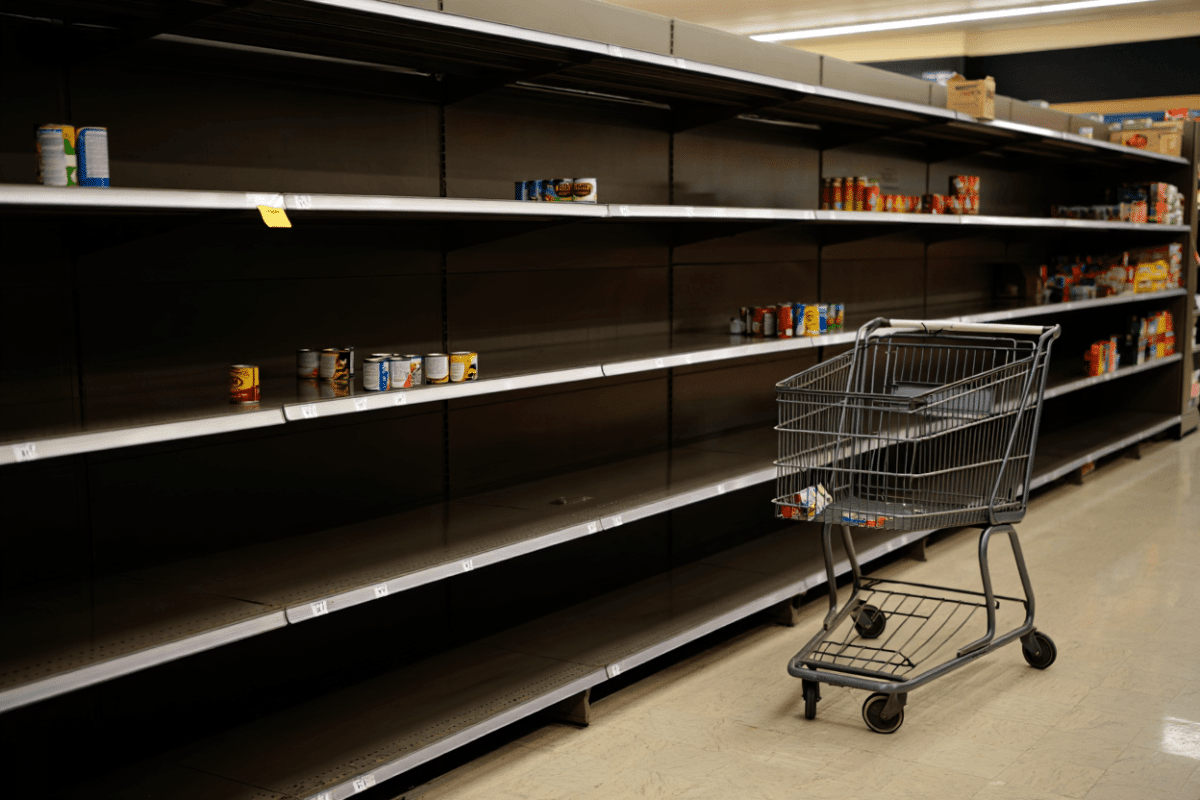
One year after President Trump signed the One Big Beautiful Bill Act on July 4, 2025, the law’s impact on food assistance has become stark: more than 4 million people have lost SNAP benefits through March 2026, a 10% decline in participation, according to the Center on Budget and Policy Priorities.
The legislation made sweeping changes to the Supplemental Nutrition Assistance Program, fundamentally altering who qualifies for benefits and under what conditions. The law reduced SNAP funding by approximately $186 billion over 10 years—the largest cut in the program’s history, according to Harvard Kennedy School and the Congressional Budget Office.
The most significant change expanded work requirements to include millions more adults. Previously, the rule applied only to able-bodied adults under 55 with no dependents. The One Big Beautiful Bill Act raised the age cap to 64, now requiring adults aged 18 to 64 without dependents to work at least 80 hours per month—or participate in approved training or volunteer work—to remain eligible, according to the USDA Food and Nutrition Service.
Beyond age expansion, the law eliminated exemptions for groups previously protected from these requirements. Veterans, former foster youth, and people experiencing homelessness must now meet the work requirement or face a three-month time limit on benefits within any three-year period, according to CBS News reporting and state implementation guidance.
The timing of these changes has accelerated food insecurity. States began rolling out the expanded work requirements in fall 2025, and participation dropped sharply in the months that followed. By June 2026, nearly 4.2 million people had lost SNAP benefits between July 2025 and February 2026, according to the Washington Informer and the Center for American Progress. More recent data from CBS News indicated the decline had grown to more than 4 million people through March 2026.
Research on work requirements in other contexts suggests the impact may persist. An Urban Institute analysis found that evidence-based studies show work-reporting requirements decrease access to SNAP without increasing work or wages. When comparable work requirement expansions occurred in prior years, they produced similar participation declines without corresponding employment gains, according to policy research cited by the Urban Institute.
The law’s supporters, including Republican lawmakers and some economists, argue that work requirements encourage self-sufficiency and reduce dependency on government programs. White House spokesman Kush Patel told CBS News that the law was “simultaneously delivering short-term economic relief while laying the groundwork for long-term economic growth.” However, critics counter that the cuts disproportionately harm vulnerable populations and that the work requirements create barriers for people facing employment obstacles such as disability, childcare constraints, or lack of transportation.
The effects extend beyond individual beneficiaries. Retailers, particularly smaller ones that depend heavily on SNAP sales, have seen reduced revenue as fewer benefits circulate, according to the Urban Institute’s Heather Hahn. States administering the program have also faced new cost pressures, with some required to share the cost of benefits based on their payment error rates starting in 2027.
Sources
- CBS News — confirmed SNAP participation dropped more than 4 million people (10%) through March 2026; reported on expanded work requirements and exemption changes
- Center on Budget and Policy Priorities — tracked SNAP participation decline and provided data on program changes
- Harvard Kennedy School — reported the $186 billion SNAP cut over 10 years as the largest reduction in program history
- USDA Food and Nutrition Service — detailed the expanded work requirements (ages 18-64, 80 hours per month)
- Urban Institute — analyzed work requirement impacts and effects on retailers and vulnerable populations
- Washington Informer — reported 4.2 million people lost SNAP benefits between July 2025 and February 2026