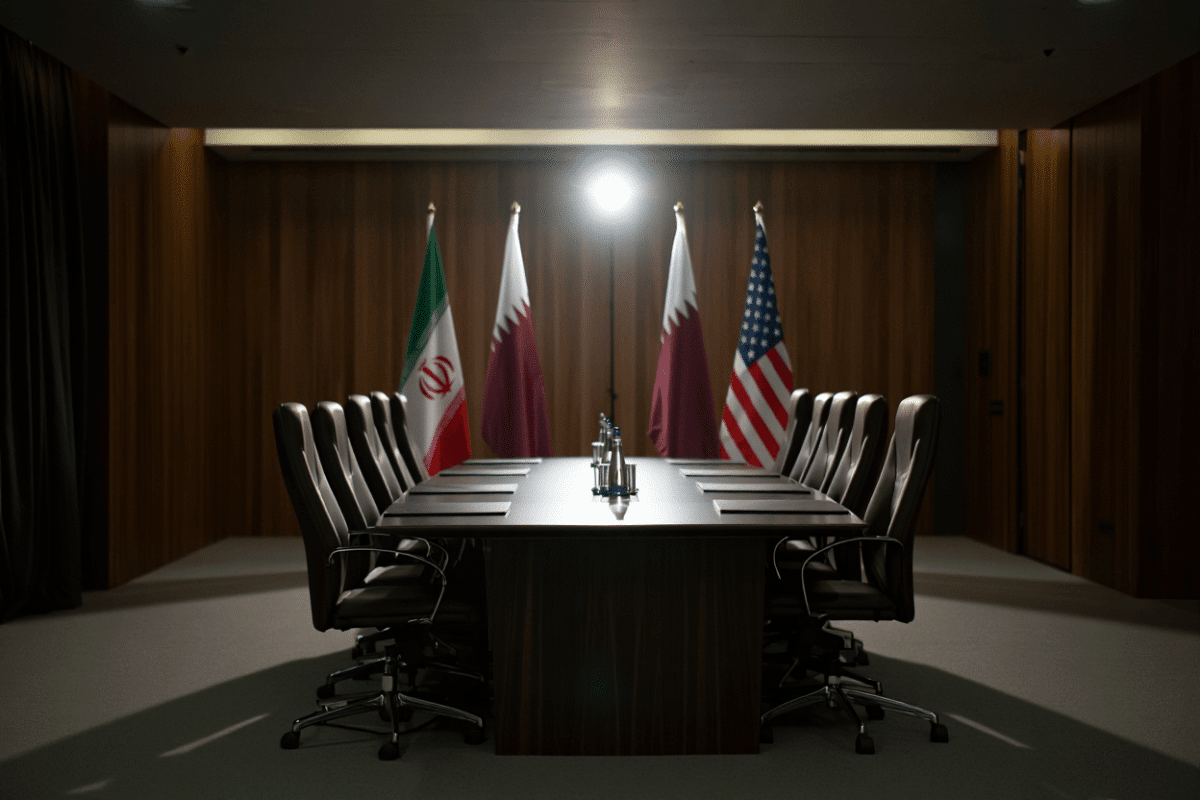
Qatari negotiators are in Iran for talks aimed at de-escalating US-Iran tensions and reviving diplomatic efforts on a stalled memorandum of understanding, as the two countries face renewed military escalation over the Strait of Hormuz.
According to sources, the Qatari delegation met with Iranian officials on July 10, 2026, in coordination with the United States. The talks focused on implementing the US-Iran MoU and addressing disputes that triggered the latest round of tensions, particularly disagreements over navigation through the critical Strait of Hormuz, through which roughly one-fifth of global oil shipments pass.
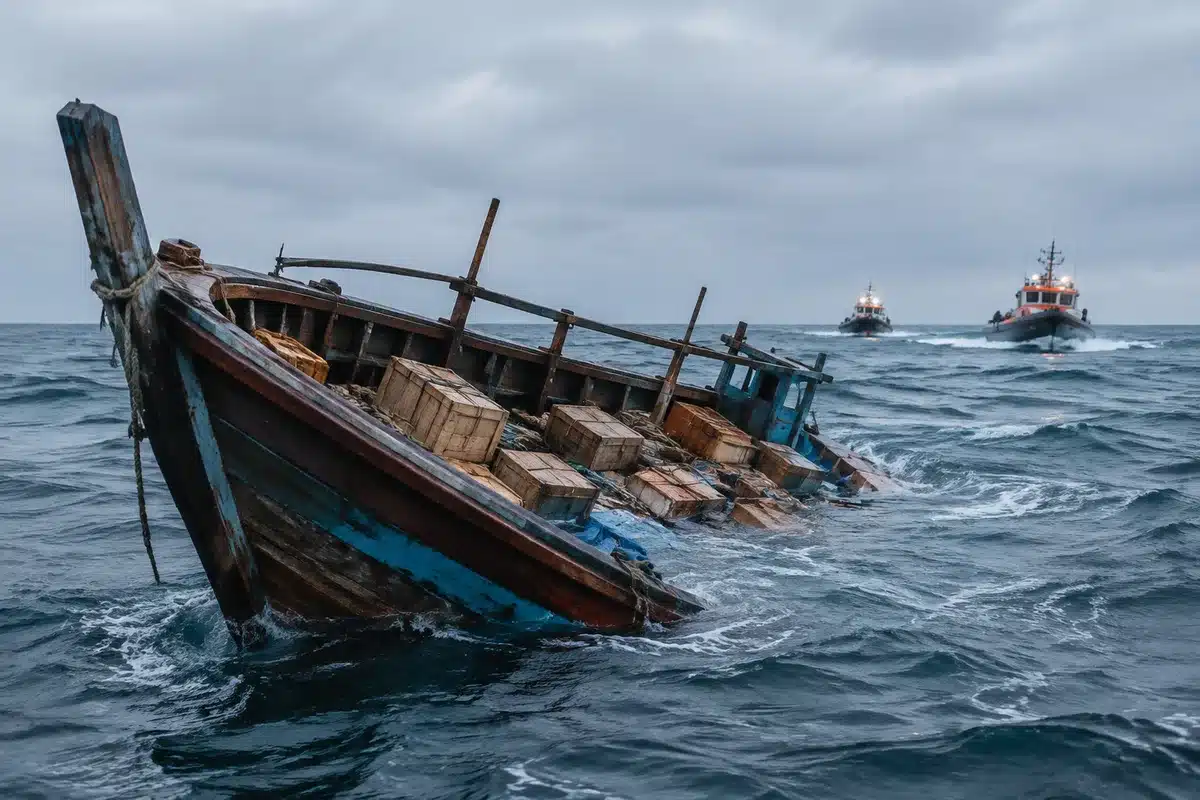
The diplomatic push comes as both nations have traded military strikes this week. On July 11, Iran announced it had closed the Strait of Hormuz and attacked a Cyprus-flagged container ship transiting an unauthorized route, according to Politico. The US military responded with strikes on Iranian targets the same day, marking the latest cycle in an escalating cycle of retaliation.
Earlier in July, US and Iranian negotiators held indirect technical talks in Doha, Qatar, with mediators from Qatar and Pakistan facilitating the discussions. Those July 1-2 meetings resulted in modest progress: the two sides agreed to establish a communication channel to monitor ceasefire violations and address disputes, according to Al Jazeera. They also discussed the release of $6 billion in frozen Iranian funds held in Qatar, with Iran saying it would use part of those assets to purchase needed goods.
The Doha talks represented a continuation of negotiations that began after the US and Iran signed an interim Memorandum of Understanding in late June. That agreement called for reopening the Strait of Hormuz, halting hostilities, and creating a pathway toward a broader settlement. However, the accord has faced immediate strain from military incidents in the waterway and competing demands from both sides.
Qatar has positioned itself as the key mediator in these negotiations, shifting from a quiet facilitator to an active diplomatic broker. The Gulf state, which maintains relations with both the US and Iran and hosts significant frozen Iranian assets, has also coordinated with Pakistan in the mediation efforts. According to sources, Qatar said it would continue serving as a mediator even as recent strikes have raised questions about whether the interim deal can hold.
The latest Qatari-led talks in Tehran underscore the fragility of the ceasefire and the persistent obstacles blocking a lasting settlement. Disputes over the Strait of Hormuz—including Iran’s insistence on controlling shipping through the waterway and US demands for free passage—remain unresolved. Additionally, disagreements persist over the release of Iran’s frozen assets abroad, nuclear inspections, and the broader regional security architecture.
When the interim deal was first announced, analysts noted that implementation would prove far more difficult than the initial agreement. The past two weeks of talks and military exchanges have borne out those concerns, with both sides accusing the other of violations and positioning themselves for continued confrontation if diplomacy fails.
Sources
- Al Arabiya English — Qatari negotiators in Iran for talks to de-escalate US-Iran tensions (July 10, 2026)
- Reuters — US, Iran talks conclude in Doha, focused on Strait of Hormuz (July 2, 2026)
- Al Jazeera — US-Iran talks in Doha: What were the outcomes and what’s next (July 2, 2026); Iran to open communication channel on MoU with US after talks in Qatar (July 1, 2026)
- Politico — US military says it is striking Iran in response to attack on civilian vessel in Strait of Hormuz (July 11, 2026)
- Washington Post — U.S. carries out strikes on Iran in response to attack on ship in Strait of Hormuz (July 12, 2026)
- The Jerusalem Post — IRGC closes Strait of Hormuz until end of US interference in region (July 11, 2026)
- NPR — US attacks Iran over ship being hit in Strait of Hormuz (July 11, 2026)