The U.S. military struck approximately 170 Iranian military targets over two days as Iran vowed retaliation for the renewed assault on its Islamic Revolutionary Guard Corps installations. President Trump declared the ceasefire with Iran “over” on July 8, 2026, after Tehran continued attacking commercial vessels in the Strait of Hormuz, prompting a second wave of American airstrikes on July 9.
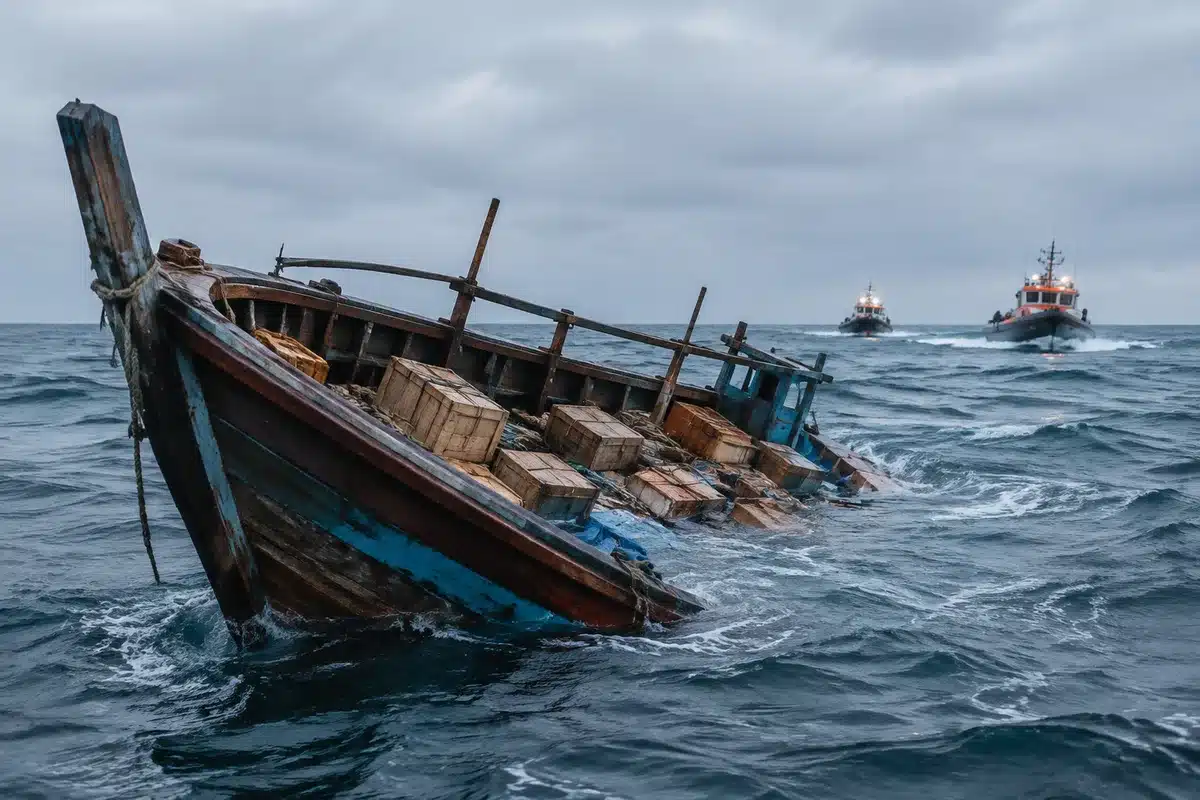
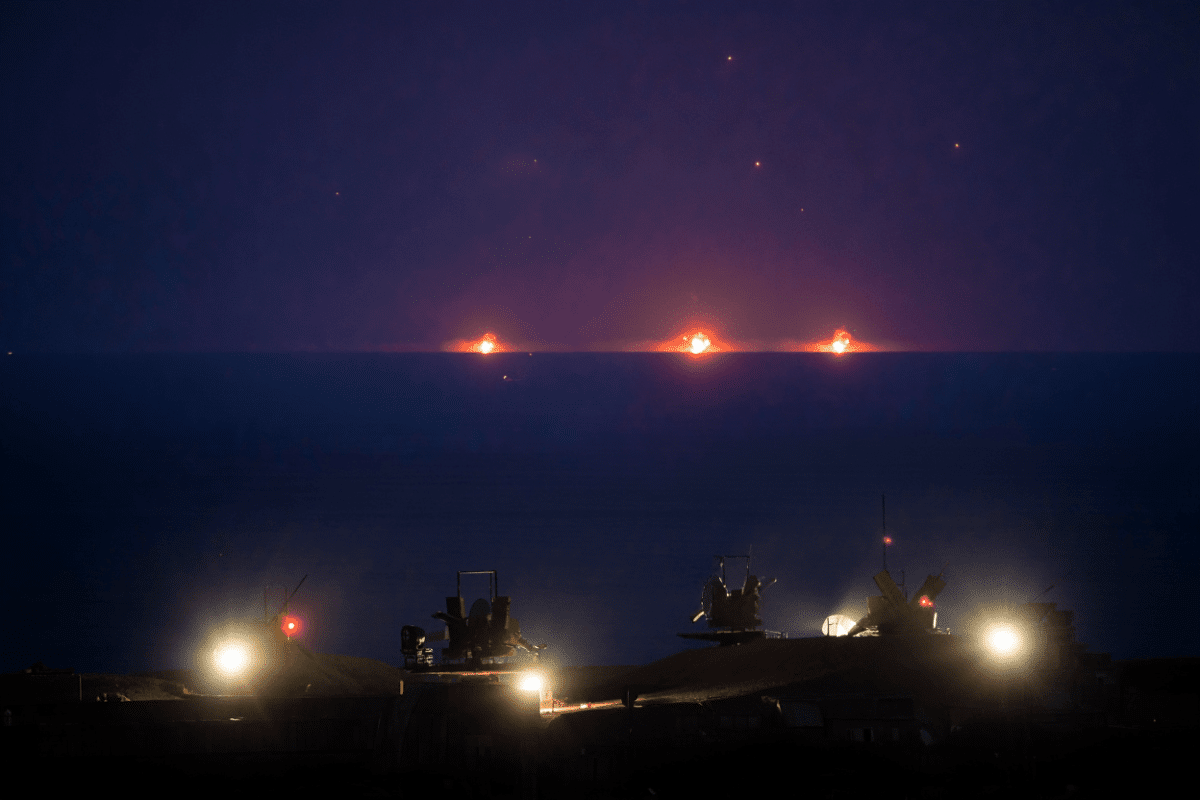
According to CENTCOM, U.S. forces hit more than 80 Iranian military targets on July 7, including over 60 IRGC small boats, after Iran attacked three commercial vessels transiting the Strait of Hormuz. The following day, the military struck roughly 90 additional targets along Iran’s coastline, including air defense systems, coastal surveillance assets, missile and drone storage sites, and naval capabilities, according to multiple sources including Fox News and CNBC.
Iran responded to the strikes by warning of “grave consequences” for U.S. allies involved in the operation and signaling that further retaliation could follow. The IRGC Navy stated that foreign powers had “no stake” in the Strait of Hormuz and warned that U.S. involvement in determining traffic routes through the critical waterway would draw a “crushing response.” Iran’s top negotiator, Mohammad Baqer Qalibaf, wrote on X: “If you strike, you will be struck back. The Strait of Hormuz will be reopened only under Iranian arrangements, not through U.S. threats.”
Iran carried out its retaliation threat by launching missile and drone attacks on U.S. military positions across the Gulf. Kuwait’s armed forces intercepted three ballistic missiles, one cruise missile, and 10 hostile drones at dawn on July 9, with debris causing material damage and one person injured, according to the Kuwaiti Ministry of Defense. Jordan reported intercepting eight missiles launched from Iran, with no casualties reported. The IRGC also targeted a base in Jordan housing U.S. forces, according to Radio Free Europe/Radio Liberty.
The escalation emerged from months of tension over control of the Strait of Hormuz, a critical chokepoint for global energy shipments. Iran had attacked commercial shipping in the waterway in early July, prompting Trump to declare the interim ceasefire agreement—which had been negotiated earlier in the summer—no longer viable. “It’s a very interesting question. To me, I think it’s over. I don’t want to deal with them,” Trump said at the NATO summit in Ankara before authorizing the fresh strikes.
The renewed fighting sent oil prices higher and raised concerns about regional spillover. Brent crude futures climbed to $78.55 a barrel, while tanker traffic through the Strait of Hormuz slowed to a near standstill as shipping companies and insurers weighed the escalating risks. Jorge Leon, head of geopolitical analysis at Rystad Energy, noted that the halt in tanker traffic “tells you more about risk perception right now than any statement from Washington or Tehran.”
Sources
- Fox News — Live coverage of U.S. strikes on IRGC installations, Iran’s retaliation threats, and regional developments
- CNBC — Report on the two operations hitting approximately 170 Iranian military targets and Trump’s statements on the ceasefire
- CENTCOM — Official U.S. military statement on strikes hitting 80+ targets on July 7 and details of targeted military assets
- Radio Free Europe/Radio Liberty — Coverage of Iran targeting U.S. military bases in Jordan and regional strike updates
- Scripps News — Report on the total of 170 Iranian targets struck over two days in retaliation for ship attacks
- AP News — Coverage of the U.S. military striking 90 Iranian targets on July 9 and Iran’s retaliatory response