The Treasury Department is warning against a tax strategy that multiplies capital gains exclusions through trusts, signaling incoming regulatory action against a practice popular with Silicon Valley founders and investors.
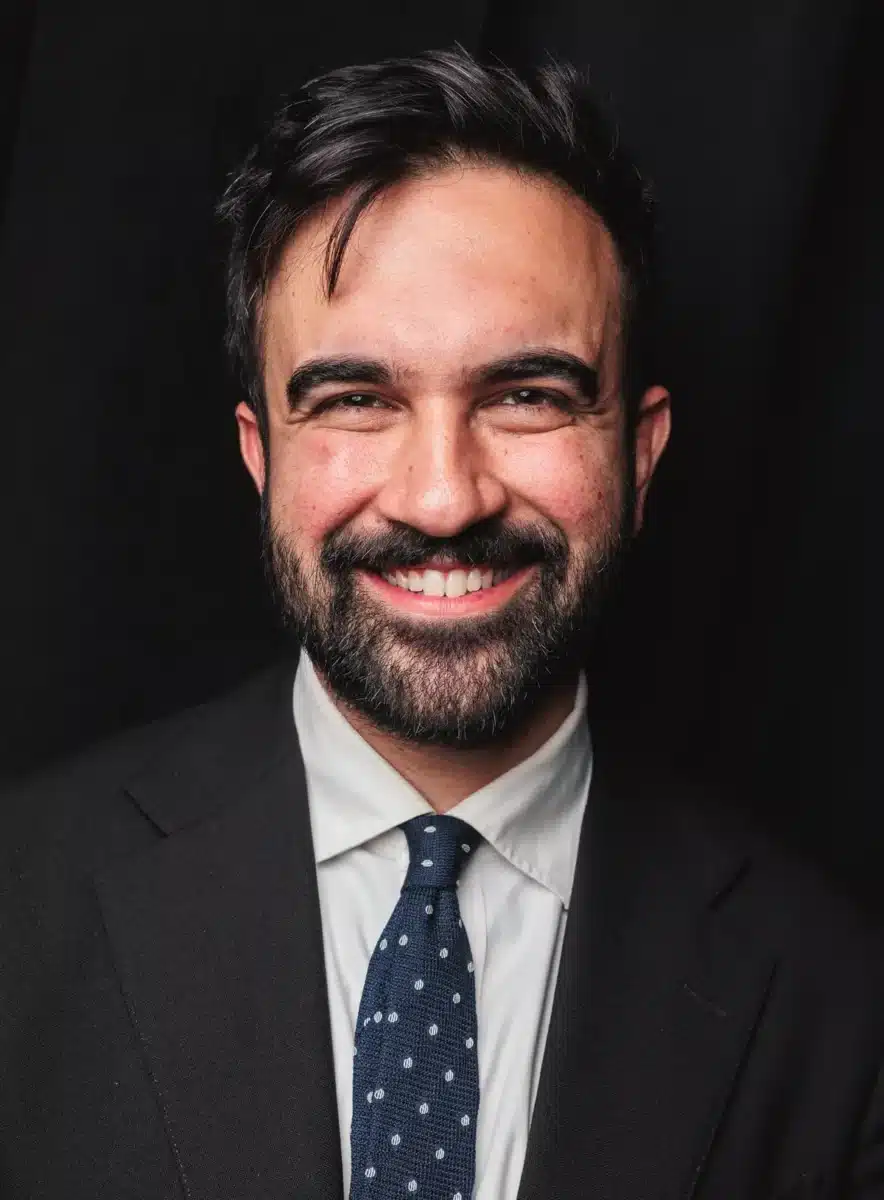
Kenneth Kies, Treasury’s Assistant Secretary for Tax Policy, said in May 2026 that “we don’t like stacking, OK?” when discussing the aggressive use of trusts to expand the benefits of the Qualified Small Business Stock (QSBS) tax break.
Trust stacking is a strategy that lets founders transfer shares of their businesses to multiple non-grantor trusts, treating each trust as a separate taxpayer. Because each trust qualifies as its own entity under tax law, each can claim the QSBS capital gains exclusion independently, multiplying the total tax benefit.
Under Section 1202 of the Internal Revenue Code, founders can exclude up to $15 million in capital gains from their taxable income when they sell qualified small business stock acquired after July 4, 2025. Stacking strategies attempt to circumvent this cap by distributing shares across four, five, or more trusts, potentially allowing a single founder to exclude $60 million to $90 million or more in gains.
The strategy has become widespread among tech entrepreneurs and angel investors seeking to minimize taxes on large exits. According to the Wall Street Journal, “the Qualified Small Business Stock tax break is being multiplied by two, three, four or even more times through the use of trusts.”
Kies indicated that Treasury is particularly concerned with arrangements that go beyond one trust per family member. Venable LLP reported that “Assistant Secretary Kies indicated that Treasury is concerned about arrangements that go beyond one trust per family member,” signaling that legitimate family gifting may remain permissible while aggressive multi-trust structures face scrutiny.
The Treasury has not yet released formal guidance, but multiple sources indicate regulations are forthcoming. CBIZ noted in May 2026 that “IRS plans guidance on QSBS stacking strategies,” while Pillsbury Winthrop Shaw Pittman reported that “the IRS may soon issue guidance addressing stacking through multiple trusts.” The timing and scope of those rules remain uncertain, though Kies’s public warning suggests the administration views the practice as a priority enforcement issue.
Founders considering or currently using stacking strategies face potential retroactivity risk. If the IRS issues guidance that recharacterizes past transactions, taxpayers could owe back taxes, penalties, and interest on gains they previously believed were excluded. Tax advisors have urged clients to document the legitimate business and estate-planning purposes behind any trust structures before new rules take effect.
Sources
- Wall Street Journal — reporting on trust stacking and Treasury’s opposition to the strategy, June 29, 2026
- Kenneth Kies, Treasury Department — public statement warning against stacking, May 2026
- Venable LLP — analysis of Treasury concerns about multi-trust arrangements, May 28, 2026
- CBIZ — reporting on planned IRS guidance on QSBS stacking, May 26, 2026
- Pillsbury Winthrop Shaw Pittman — legal analysis of potential Treasury guidance, May 28, 2026
- Eide Bailly LLP — coverage of Kies’s warning statement, July 2, 2026
- The Startup Law Blog — founder guidance on Treasury signals, May 21, 2026