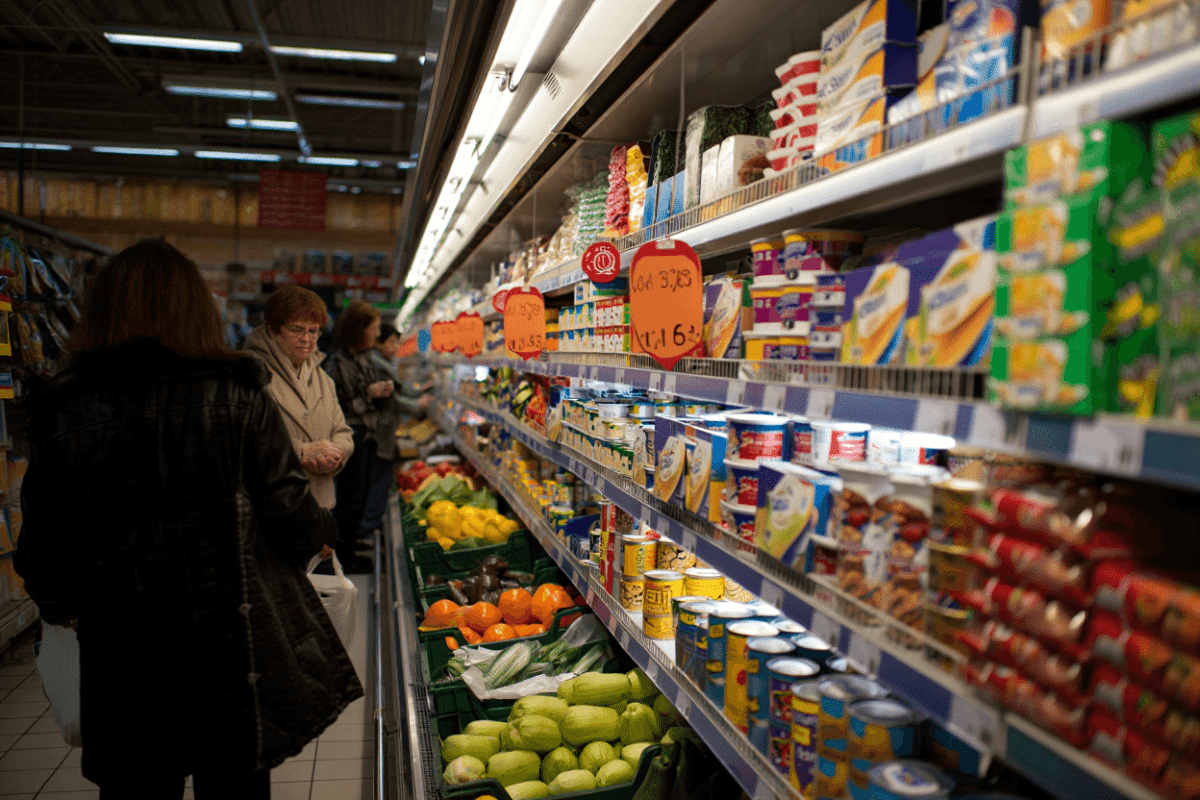
Walmart cut prices on 7,200 grocery items to ease consumer pressure from rising fuel costs and inflation, according to the retailer’s first-quarter earnings call in May 2026. The price reductions represent a more than 20% increase in the number of items discounted compared to a year earlier, as the company focuses on keeping shoppers’ budgets in check.
The world’s largest retailer said low prices are helping it gain market share across income levels. Walmart CEO John Furner told investors that the company has extended temporary price cuts it implemented previously and now maintains reductions across the expanded product range. “This is an industry, particularly in food, where everyone is looking for value and has been for a really long time,” Furner said on the analyst call.
Consumers face mounting pressure from elevated fuel prices, which have squeezed household budgets at the pump and in the grocery aisle. Walmart executives noted that high fuel costs from the Strait of Hormuz crisis could eventually put pressure on the retailer’s ability to maintain these price investments, though the company said it will continue to prioritize low prices, especially as shoppers remain wary of economic headwinds.
Walmart’s grocery category recorded mid-single-digit comparable-store sales growth in the first quarter, driven by fresh and pantry items. The company’s U.S. comparable-store sales excluding fuel rose 4.1% in the quarter, marking the strongest transaction growth Walmart has seen in the last six quarters. The retailer also highlighted a basket of grilling essentials that feeds eight people for under $5 per person as an example of its value focus.
Intensifying Grocery Competition
Walmart’s aggressive pricing strategy comes as competitors move to match the retailer’s discounting. Kroger, the largest U.S. grocery company, announced plans in May 2026 for its biggest price cuts in years under new CEO Greg Foran, who previously worked at Walmart. Foran said the company plans to cut prices on thousands of products across its 21 chains, including City Market and Fred Meyer, to regain market share from Walmart, Costco, Aldi, Amazon, and Trader Joe’s.
Foran told Bloomberg that Kroger will fund price cuts by importing merchandise directly and using technology more effectively to trim expenses. “The reality is, the basket has to come down,” Foran said, adding that price reductions must span thousands of products to meaningfully impact shoppers’ overall spending. Retailers across the grocery industry are emphasizing value as shoppers prioritize affordability, with Walmart and Kroger both signaling that low prices remain central to their competitive strategies.
Sources
- Grocery Dive — Walmart’s price reductions on 7,200 items and impact of fuel costs on pricing strategy
- Los Angeles Times — Walmart’s 7,200 price cuts and Kroger’s competitive response with price cuts on thousands of items
- Retail Dive — Walmart’s use of tariff refunds for price cuts and consumer pressure from fuel prices