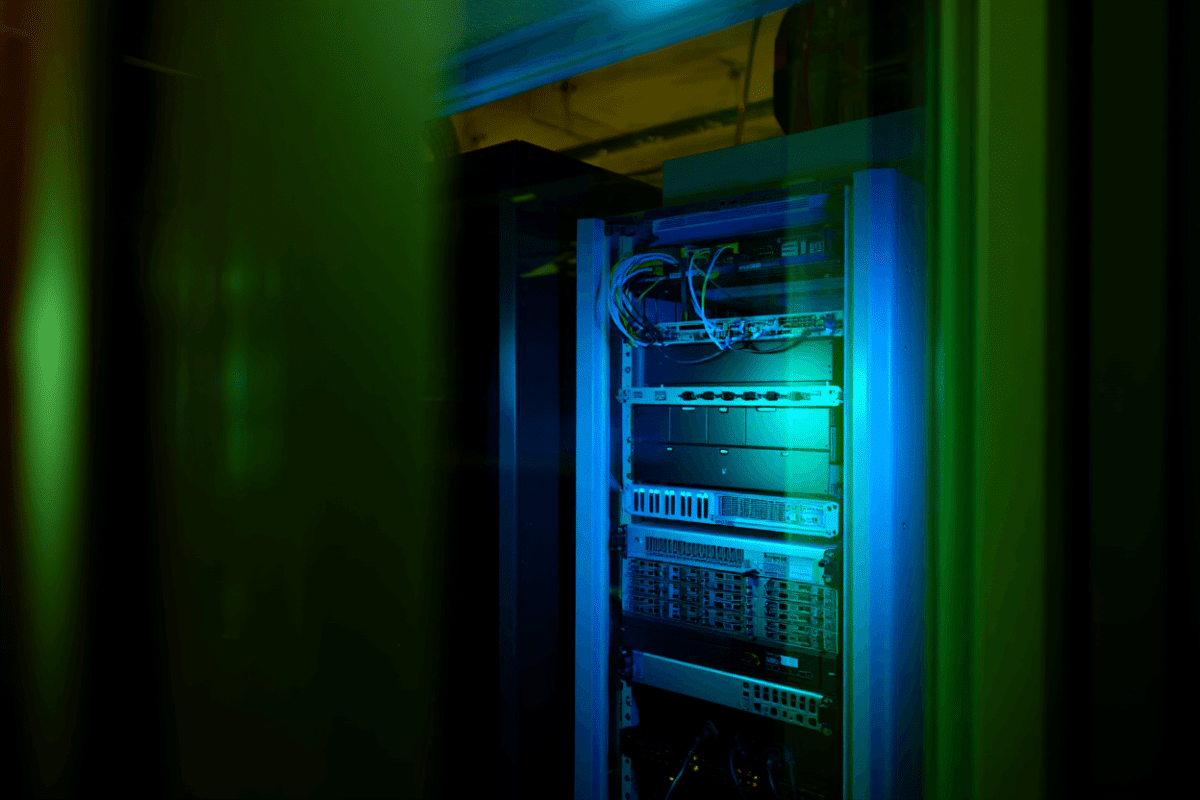
Investment priorities in 2026 are shifting decisively toward AI infrastructure and energy, with capital flows signaling a fundamental reordering of global markets. Nearly $3 trillion in AI-related infrastructure investment is expected to flow through the global economy by 2028, according to Morgan Stanley Research, with more than 80% of that spending still ahead.
The scale of this buildout is unprecedented. Morgan Stanley estimates approximately $2.9 trillion in global data center construction costs alone through 2028, driven by sustained demand for compute that vastly exceeds supply. This industrial-scale deployment is no longer a technology theme but a structural force reshaping GDP growth, earnings, and geopolitical competition, the firm noted in March 2026.
Power demand is the immediate constraint reshaping investment decisions. US data center electricity demand is projected to climb from 31 gigawatts in 2025 to 41 GW in 2026, then surge to 66 GW in 2027, according to Goldman Sachs research released in May 2026. Globally, Gartner forecasts worldwide data center power demand will rise 27% in 2026 alone, reaching 132 gigawatts, up from 104 GW in 2025.
This explosive power appetite is driving a parallel surge in energy infrastructure investment. The International Energy Agency expects $2.2 trillion to flow into clean energy in 2026, nearly double the amount directed to fossil fuels. Global clean energy investment reached a record $2.3 trillion in 2025, up 8.1% from 2024, establishing the foundation for continued acceleration.
How AI and Energy Investment Are Converging
The two trends are inseparable. AI data centers require 30 to over 100 kilowatts per optimized rack compared to 5–15 kilowatts for traditional infrastructure, according to industry analysis. This power density has overwhelmed local grid capacity in some regions, forcing companies to delay projects or contract power directly from generators. The mismatch between rapid data center deployment—which can move from groundbreaking to operation in 9 to 12 months—and the 2- to 5-year timelines for new power plants has created a structural investment opportunity.
Capital is flowing through multiple channels. Morgan Stanley identified $1.4 trillion in hyperscaler cash flows, $200 billion in corporate debt issuance, $150 billion in securitized credit, and $800 billion in opportunity for private credit via asset-based finance and debt funding of joint ventures to cover the 2025–2028 data center capex cycle. An additional $350 billion is expected from private equity, venture capital, and sovereign investors.
Renewable energy and grid modernization are becoming central to competitive positioning. Companies are increasingly pursuing power purchase agreements with renewable generators and investing in on-site generation to secure reliable, cost-effective electricity. This dynamic has reshaped energy sector investment priorities, with solar and wind leading global capacity expansion while battery storage and grid infrastructure attract record funding.
What This Means for Investors
The shift reflects a maturation of AI from speculative theme to industrial reality. Morgan Stanley notes that 21% of S&P 500 companies now cite AI benefits, but markets are paying for measurable monetization, not mentions. AI adopters are seeing cash-flow margin expansion at roughly twice the global average, signaling that the productivity gains are real and translating to earnings.
For energy investors, the intersection of AI demand and climate policy creates a structural tailwind. Unlike prior energy cycles driven by commodity prices or policy whims, this cycle is anchored to the relentless power needs of computing infrastructure. The International Energy Agency projects electricity demand from data centers will more than double by 2030, a trajectory that supports sustained investment in generation and transmission.
Geopolitical factors are amplifying the investment case. The U.S.–China competition for AI leadership is driving both countries to prioritize secure, domestic infrastructure. This focus on national self-sufficiency in compute, energy, and critical materials is accelerating capital deployment and raising the strategic premium on infrastructure assets.
Sources
- Morgan Stanley — AI market trends, $3 trillion infrastructure investment forecast through 2028, data center construction costs, capital sources breakdown, and earnings leverage analysis
- Goldman Sachs — US data center power demand projections for 2025–2027
- Gartner — Worldwide data center power demand forecast for 2026
- International Energy Agency (IEA) — $2.2 trillion clean energy investment forecast for 2026 and electricity demand projections
- Renewable Energy Institute — Global clean energy investment data for 2025