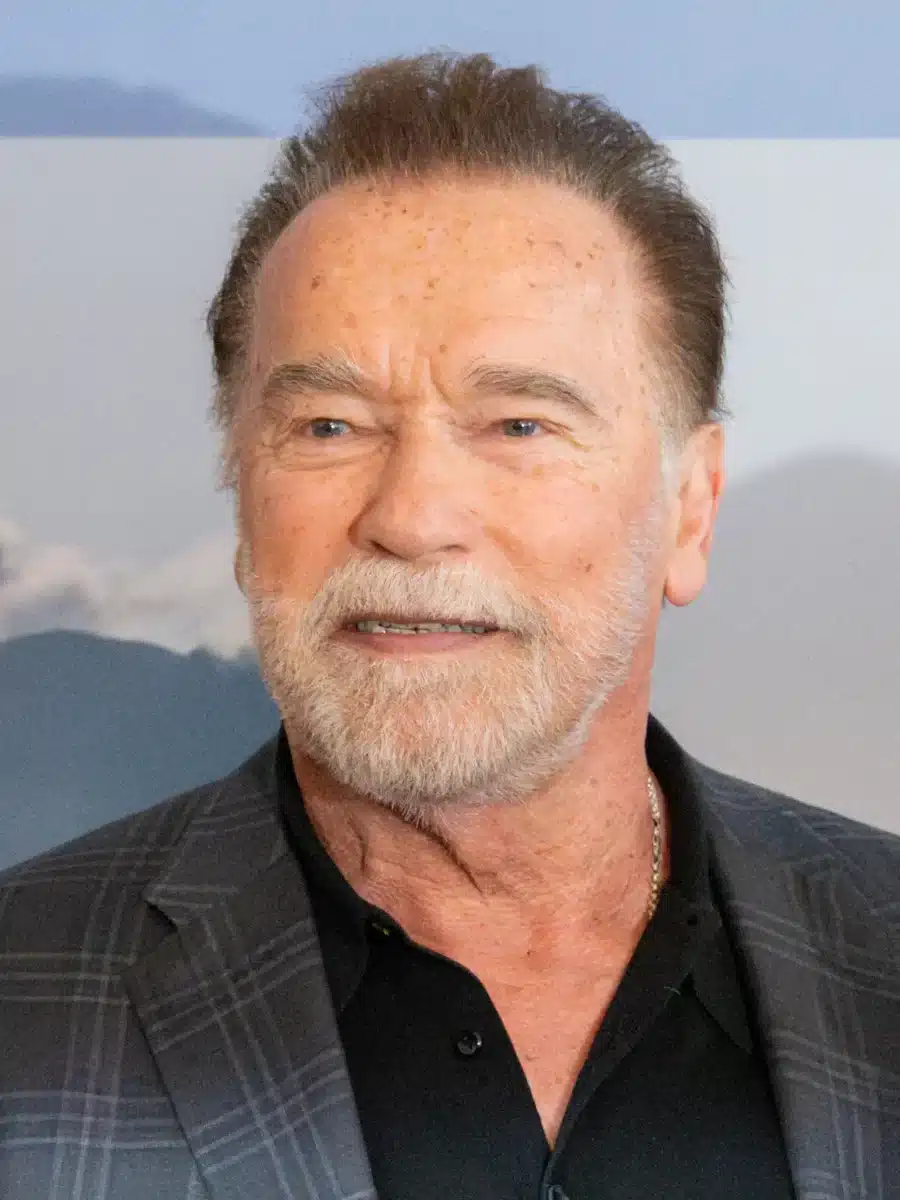
President Trump appointed Bill Pulte as acting director of national intelligence on June 2, 2026, replacing Tulsi Gabbard, tasking the Federal Housing Finance Agency director with overseeing the nation’s 18 intelligence agencies despite his lack of any background in intelligence or national security.
Pulte, 38, comes from a homebuilding and housing finance background. His biography lists experience in housing and philanthropy, but contains no intelligence credentials. Congressional statute requires that any appointee for the position of director of national intelligence shall have extensive national security expertise, according to PBS NewsHour.
Trump defended the pick on social media, writing that Pulte has “deep experience managing the most sensitive matters in America, the safety and soundness of the Markets, and over 10 Trillion Dollars at Fannie Mae/Freddie Mac.” When asked by reporters about Pulte’s qualifications, Dr. Mehmet Oz, the CMS administrator, told PBS that he trusts the president’s judgment but acknowledged the question was outside his lane.
A Record of Targeting Political Opponents
While leading the Federal Housing Finance Agency, Pulte has shown a willingness to go after the president’s perceived enemies, according to NPR. He accused Federal Reserve Board of Governors member Lisa Cook of mortgage fraud—Cook, the first Black woman on the board, has denied wrongdoing. Trump subsequently attempted to fire Cook from the board.
Pulte also targeted New York Attorney General Letitia James, accusing her of claiming more than one property as her primary residence. James has denied the allegations. In April 2025, Pulte wrote to then-Attorney General Pam Bondi and Deputy Attorney General Todd Blanche, referring his accusations against James to them. The administration pursued these claims against her multiple times, with two criminal referrals in March 2026, months after a federal grand jury rejected an indictment against her, according to NPR.
Democratic Senator Mark Warner, the top Democrat on the Senate Intelligence Committee, stated that Trump “has chosen an official who has demonstrated not just willingness but eagerness to use the authorities of government to pursue political retribution,” warning that Pulte “will be willing to shape intelligence around the president’s wishes, regardless of the cost to the American people.”
Mass Firings and Immediate Controversy
Pulte took office on June 19, 2026, and quickly began terminating staff. By late June, he had fired or placed on leave several hundred employees at the Office of the Director of National Intelligence, according to NBC News and The New York Times. Trump had directed Pulte on June 5 to “start the process” of trimming DNI office staff, deeming the office “unnecessary” and too large.
Top Democrats on the House and Senate intelligence committees warned Pulte on June 22 not to use his temporary post to make major workforce changes. The appointment also derailed a recent FISA reauthorization vote in Congress, according to reporting from Nextgov.
Trump said on June 4 that Pulte would not be appointed to the director position permanently. The appointment sparked criticism from both sides of the aisle—Republican Senate Majority Leader John Thune told reporters that “we don’t need a weaponized DNI” and that “if he’s somebody we want in that position permanently, he’s got a lengthy road ahead of him,” according to PBS. Senator John Cornyn, a Republican from Texas, told reporters he saw “no evidence of any qualifications for that job.”
Sources
- PBS NewsHour — Pulte’s background, lack of intelligence credentials, Trump’s defense of the appointment, and Republican concerns about his qualifications
- NPR — Pulte’s accusations against Lisa Cook and Letitia James, the congressional statute requiring extensive national security expertise, and Senator Mark Warner’s statement on political retribution
- NBC News — Mass firings at the Office of the Director of National Intelligence
- The New York Times — Details on planned mass firings and congressional warnings
- Nextgov — Impact on FISA reauthorization vote