Defense Secretary Pete Hegseth told the Senate on Tuesday that the U.S. war with Iran has cost an estimated $37.5 billion since fighting began in late February, and he sought approval for an additional $87.6 billion in funding to sustain operations through the fiscal year.
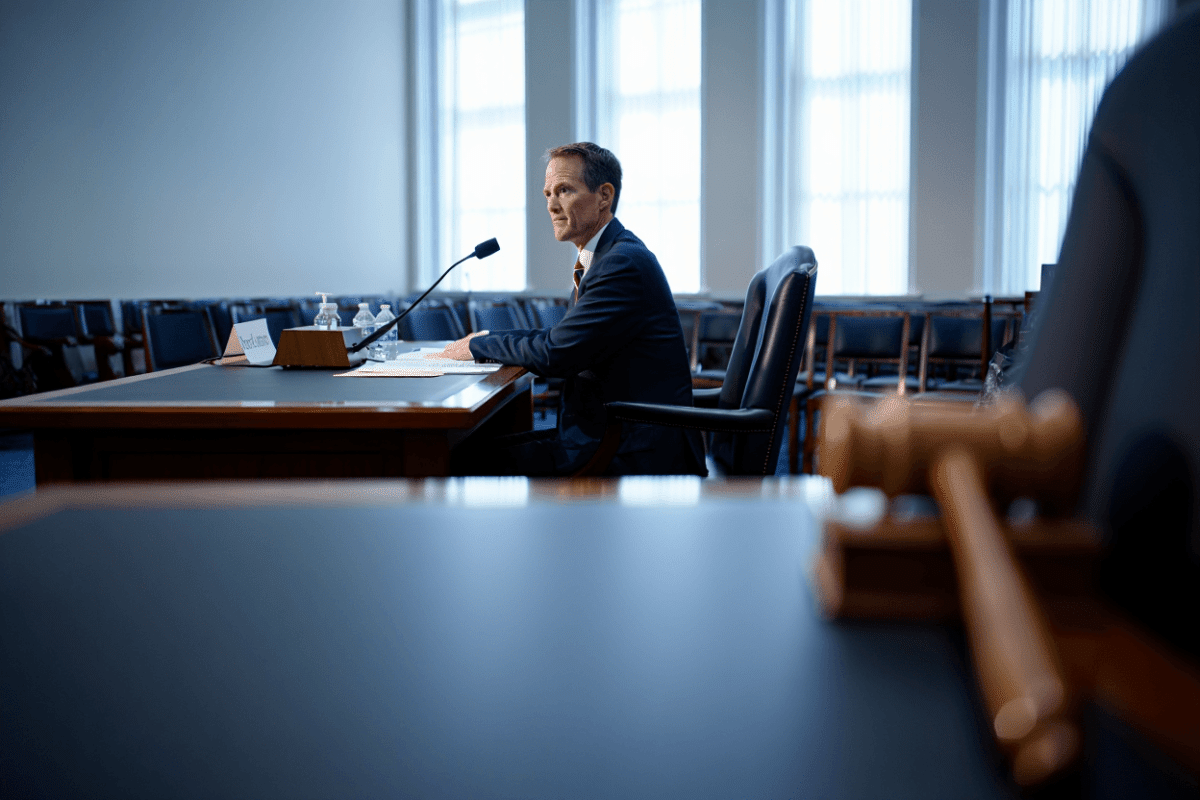
Hegseth testified before the Senate Appropriations Committee on July 21, confirming the updated cost figure during a hearing marked by sharp questioning from lawmakers over the war’s trajectory and mounting expenses. The $37.5 billion estimate includes ongoing military operations, personnel pay, and maintenance costs projected through September 30, according to Hegseth’s testimony reported by Al Jazeera and Newsweek.
The figure represents a significant increase from the Pentagon’s previous estimate of $29 billion released in May, underscoring the financial toll of the intensifying conflict. Hegseth said the latest estimate accounts for current spending and anticipated needs through the end of the fiscal year, though he did not directly address whether costs will continue climbing now that a ceasefire agreement collapsed last week.
During his opening remarks, Hegseth referenced strains on the U.S. weapons stockpile, telling senators that funding was needed “to expand production lines and accelerate delivery of high-demand munitions. We’re talking about solid rocket motors, JDAMs, hypersonics, and counter-drone capabilities,” according to Al Jazeera’s account of the hearing.
The war has claimed 18 American lives since fighting began on February 28, with four service members killed over the weekend, according to testimony from Joint Chiefs of Staff Chairman Dan Caine, as reported by Newsweek. Hegseth, however, made no mention of the fallen troops during his remarks, continuing a pattern noted by Newsweek of minimizing casualty discussions.
Senate Democrats challenged both the cost and the administration’s transparency. Senator Dick Durbin told Newsweek that Hegseth’s testimony “raised more questions than answers,” criticizing what he described as the Pentagon’s inability to explain how the requested funds would be spent. Durbin characterized the request as “a 40 percent increase in the Department of Defense in the next fiscal year” and called it “unexplainable and unacceptable.”
The hearing’s most heated exchange came when Senator Gary Peters, a Michigan Democrat, pressed Hegseth on whether the Pentagon’s strategy had failed. Peters noted that the Strait of Hormuz “is still closed” despite earlier administration claims, and asked why global prices remained elevated and U.S. service members were “still dying.” When Peters said the word “failure,” Hegseth responded sharply: “Your characterization of this incredible effort as a failure is reckless. It’s irresponsible, and it smears the sacrifice of the troops,” according to Newsweek’s transcript. Peters countered that he was criticizing military leadership, not the troops themselves.
Independent analysts have offered estimates that exceed the Pentagon’s figure. Moody’s Analytics estimated the domestic cost of the war at up to $150 billion when accounting for factors such as higher U.S. energy prices, according to Al Jazeera. Newsweek reported that analysts told CNN earlier this year the war has cost U.S. taxpayers more than $890 million per day.
Sources
- Al Jazeera — Hegseth’s Senate testimony on $37.5 billion cost, funding request, weapons production needs, ceasefire collapse, and Moody’s Analytics estimate
- Newsweek — Senate Appropriations Committee hearing details, Hegseth-Peters exchange, casualty figures, Senator Durbin’s comments on budget transparency, analyst estimates of daily costs