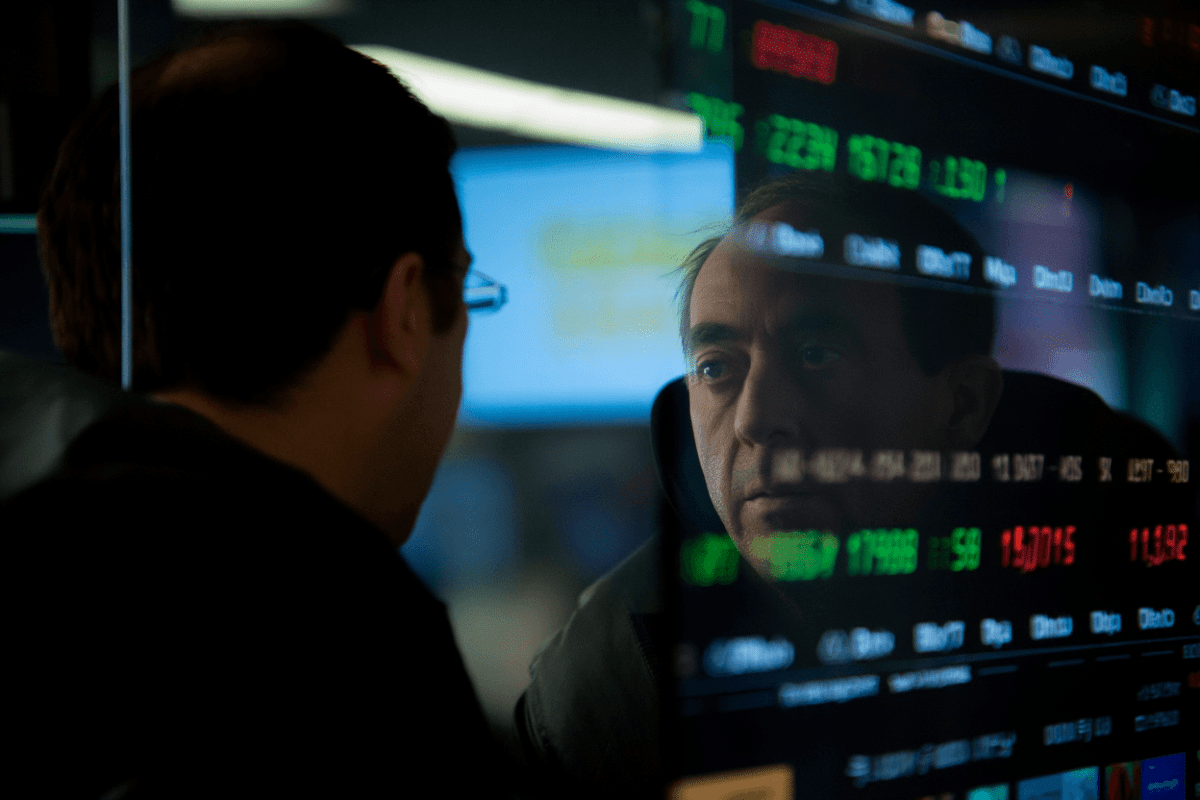
Stock market futures rebounded as the U.S. military completed a second round of strikes against Iran, reducing near-term geopolitical uncertainty and allowing investors to refocus on bargain hunting in battered chip stocks.
U.S. Central Command announced on June 11 that it had completed its latest round of strikes against Iranian military targets, according to reports from The Guardian, The New York Times, and other outlets. The strikes came after Iran had launched ballistic missiles at U.S. bases, escalating a volatile cycle of attacks despite an earlier ceasefire agreement.
The announcement of strike completion sparked relief in futures markets. S&P 500 futures rose 0.7% and Nasdaq 100 contracts advanced 1.2%, recovering from a five-week low, according to Bloomberg reporting on the market reaction. VT Markets noted that futures rebounded on Iran strike end reports, though inflation and tech valuation concerns continued to weigh on sentiment.
The rebound extended a recovery that began earlier in the week. On June 8, after Iran and Israel signaled they had halted attacks on each other, U.S. stocks staged a comeback led by semiconductor shares. The S&P 500 gained 0.3% and the Nasdaq Composite rose 0.9%, with the Philadelphia SE Semiconductor Index jumping 5.6% as investors sought bargains following Friday’s sharp selloff, according to Reuters.
Friday’s chip stock rout had been severe. The semiconductor complex suffered its worst drop since April 2025, with the iShares Semiconductor ETF sinking about 10%, and the selloff erased more than $1 trillion in market value for U.S.-listed chipmakers, according to reporting from Yahoo Finance and other outlets. The decline was triggered by underwhelming results from chipmaker Broadcom and stronger-than-expected jobs data for May, which raised concerns about potential interest rate increases.
The rebound in semiconductor stocks reflected classic bargain-hunting behavior. Rick Meckler, partner at Cherry Lane Investments, told Reuters that “today looks like a day where investors are doing a little bit of bargain hunting off the big tech selloff,” adding that analysts typically reiterate buy recommendations after such sharp declines. The semiconductor sector had been one of 2026’s strongest performers before the selloff, with the Philadelphia Semiconductor Index up roughly 82% year-to-date through May, according to Wall Street Journal reporting.
The stock market recovery also benefited from easing geopolitical tension. Investors were relieved after Iran and Israel said they had halted attacks on each other following an appeal from U.S. President Donald Trump that they “stop shooting.” Charles Schwab noted that while a temporary truce was welcome news, market volatility was apt to remain elevated with potential for short but sharp swings driven by headline risk.
Sources
- Reuters — S&P 500 and Nasdaq gains on June 8, semiconductor index jump of 5.6%, bargain-hunting behavior, Broadcom earnings impact
- Bloomberg — S&P 500 futures up 0.7%, Nasdaq 100 contracts up 1.2%, recovery from five-week low
- VT Markets — Futures rebound on Iran strike end reports as of June 11
- The Guardian — U.S. completion of second day of strikes
- The New York Times — Iran war live updates confirming strike completion
- Yahoo Finance — Semiconductor complex worst drop since April 2025, $1 trillion market value erased
- Wall Street Journal — Philadelphia Semiconductor Index up 82% year-to-date through May
- Charles Schwab — Analysis of truce welcome but elevated volatility risk