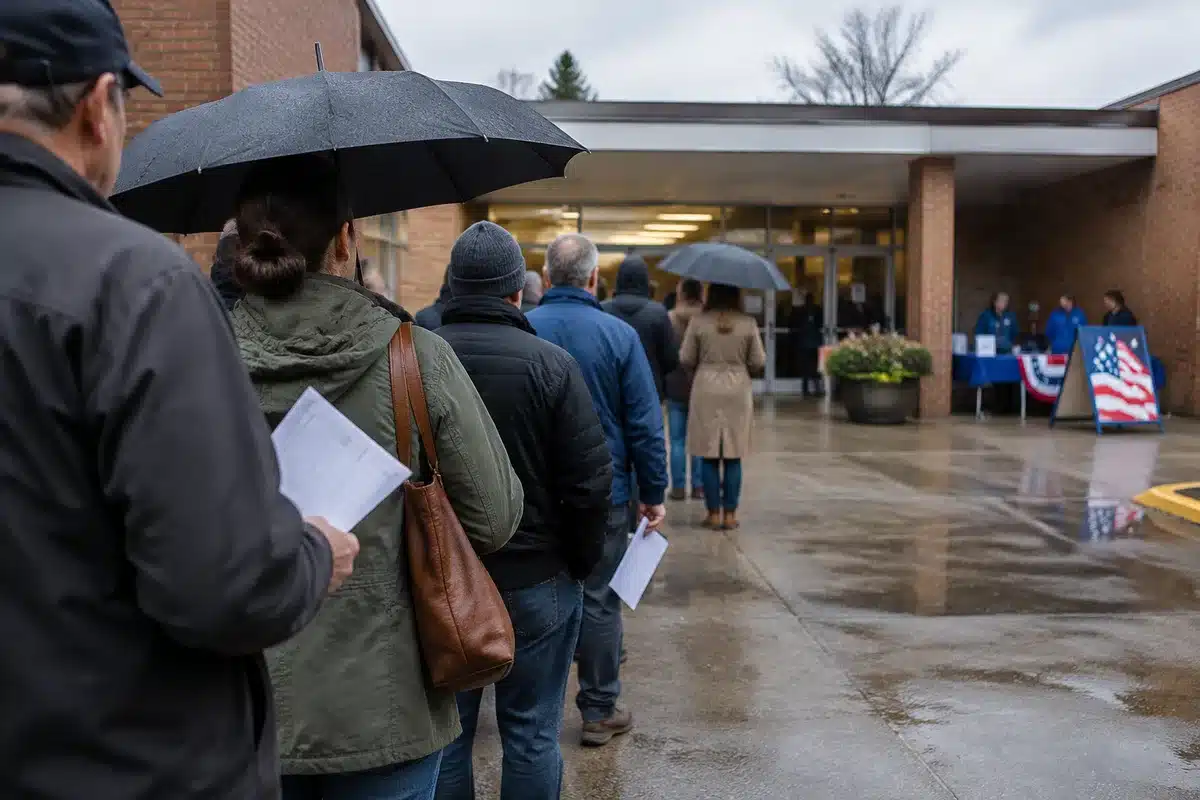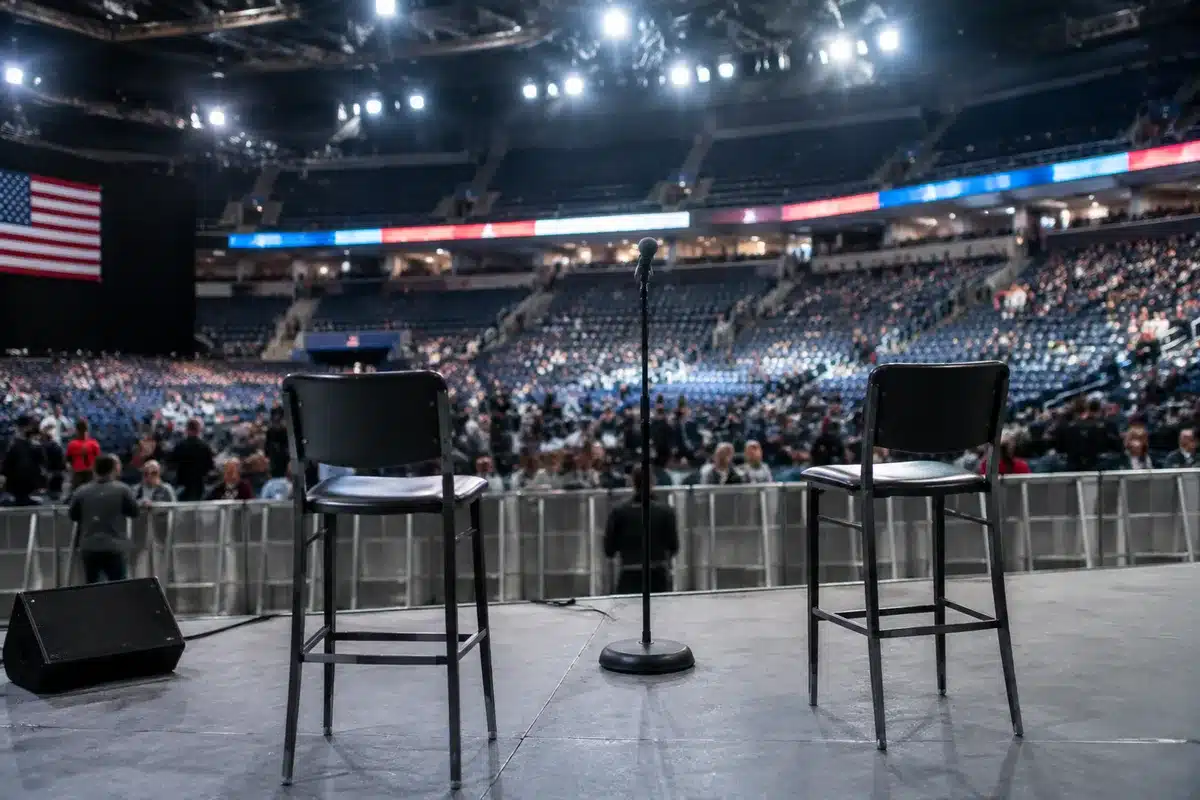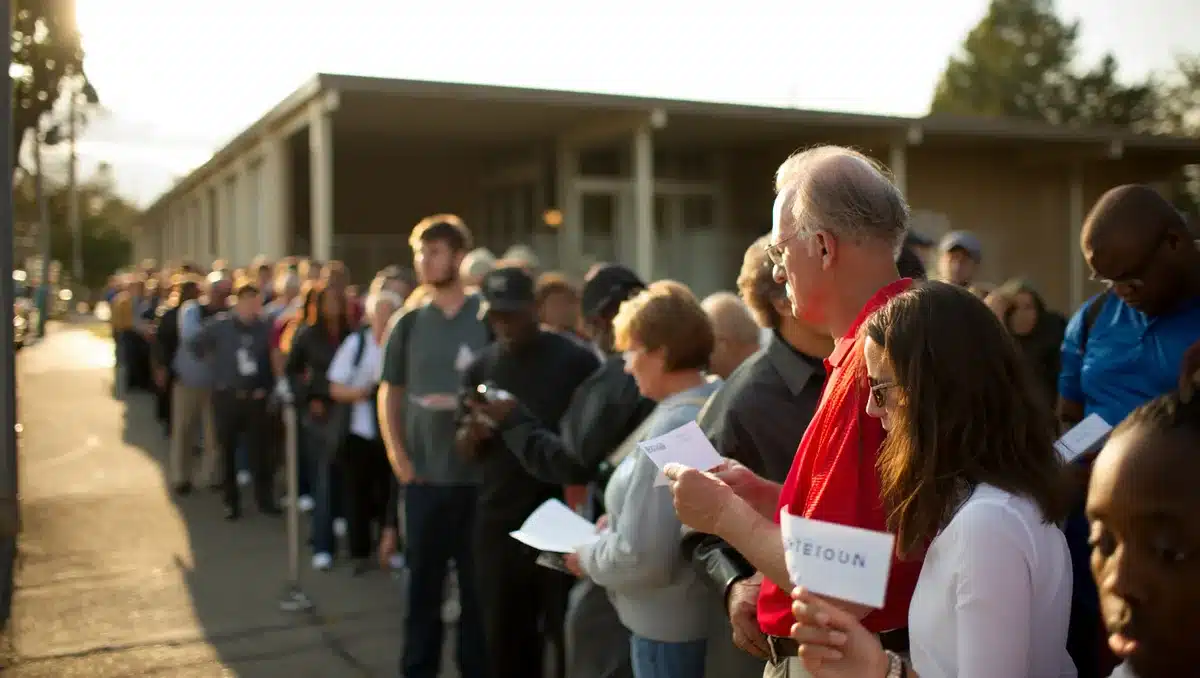
Michigan voters are heading to the polls today to cast ballots in the state’s primary election, with competitive races for governor, Senate, and House seats that will determine which candidates advance to November’s midterm general election.
The most closely watched contest is the Democratic Senate primary, where former U.S. Representative Haley Stevens faces epidemiologist and former Detroit health director Abdul El-Sayed. According to an Emerson College Polling survey conducted July 26-27, El-Sayed leads Stevens 54% to 39%, with 6% undecided. The race has become a proxy battle over the Democratic Party’s ideological direction, with Stevens backed by Senate Democratic Leader Chuck Schumer, retiring Senator Gary Peters, and Governor Gretchen Whitmer, while El-Sayed has won endorsements from Senator Bernie Sanders and Representative Alexandria Ocasio-Cortez, as well as the United Auto Workers.
The two candidates have clashed over foreign policy and the influence of AIPAC, the pro-Israel lobbying network. Stevens has attacked El-Sayed over his criticism of AIPAC, while El-Sayed has countered that his primary message is about challenging corporate influence in politics. Outside groups have spent roughly $30 million supporting Stevens, according to reporting on the race.
The Senate race reflects a broader 2026 surge in progressive primary victories across the country. Multiple outlets have noted that progressive challengers have scored upsets against Democratic establishment figures in primaries nationwide, signaling momentum for the party’s left wing. The Michigan primary comes as Democrats debate electability and party direction, with establishment figures arguing Stevens is more electable in the general election, while progressive activists contend that El-Sayed’s grassroots energy and appeal to younger voters represent the party’s future.
On the governor’s side, the Democratic primary features Secretary of State Jocelyn Benson and Genesee County Sheriff Chris Swanson, as incumbent Governor Gretchen Whitmer cannot seek another term. The Republican primary for governor includes U.S. Representative John James facing businessman Perry Johnson and other candidates.
House Races and the Battle for Detroit Representation
Michigan’s primary also features a significant House race in the state’s 13th Congressional District, where Michigan state Representative Donavan McKinney is challenging incumbent U.S. Representative Shri Thanedar. The contest centers on Black representation in a majority-Black city that hasn’t had a Black member of Congress since 1955. Thanedar, an Indian-American, was elected in 2022 after winning a nine-way primary that split the Black vote among multiple candidates.
McKinney, a former health care union organizer elected to the state House in 2022, has won endorsements from progressive figures including Sanders and U.S. Representative Rashida Tlaib. On July 27, multiple Congressional Black Caucus members broke with House Democratic leaders to endorse McKinney, an unusual move in which sitting members of Congress endorse against one another in the same party. Representatives Ayanna Pressley of Massachusetts and Ilhan Omar of Minnesota both called for McKinney’s election, with Pressley saying he has “never lost sight of the people.”

Thanedar retains backing from House Democratic Leader Hakeem Jeffries and has received substantial financial support, including at least $232,000 in donations bundled by AIPAC. He has argued that his personal story of immigrating from poverty in India and building a successful business mirrors Detroit’s resilience. The funding gap is stark: Thanedar entered the final weeks of the campaign with $4.7 million to spend, while McKinney reported about $264,000 in his campaign fund as of June 30.
The winner of the McKinney-Thanedar primary will likely win the November general election, as the heavily Democratic district has not supported a Republican in recent cycles. The race reflects the ongoing ideological clash between the Democratic establishment and its progressive wing that has defined the 2026 primary cycle.
Voters in Kansas, Missouri, Virginia, and Washington are also holding primaries today, with all 435 House seats and 35 Senate seats set to be contested in November’s midterm general election.
Sources
- Emerson College Polling — July 26-27 survey of 700 likely Democratic primary voters showing El-Sayed 54%, Stevens 39%, with demographic breakdowns
- PBS NewsHour — coverage of Stevens’ establishment backing and outside spending figures
- Ballotpedia — Michigan governor and Senate primary candidate information and dates
- Politico — Congressional Black Caucus endorsements of McKinney and quotes from Pressley, Omar, and Thanedar
- The Detroit News — Black representation as central issue, funding data, candidate quotes, and district demographics
- Michigan Advance — confirmation of August 4, 2026 primary date and overview of races