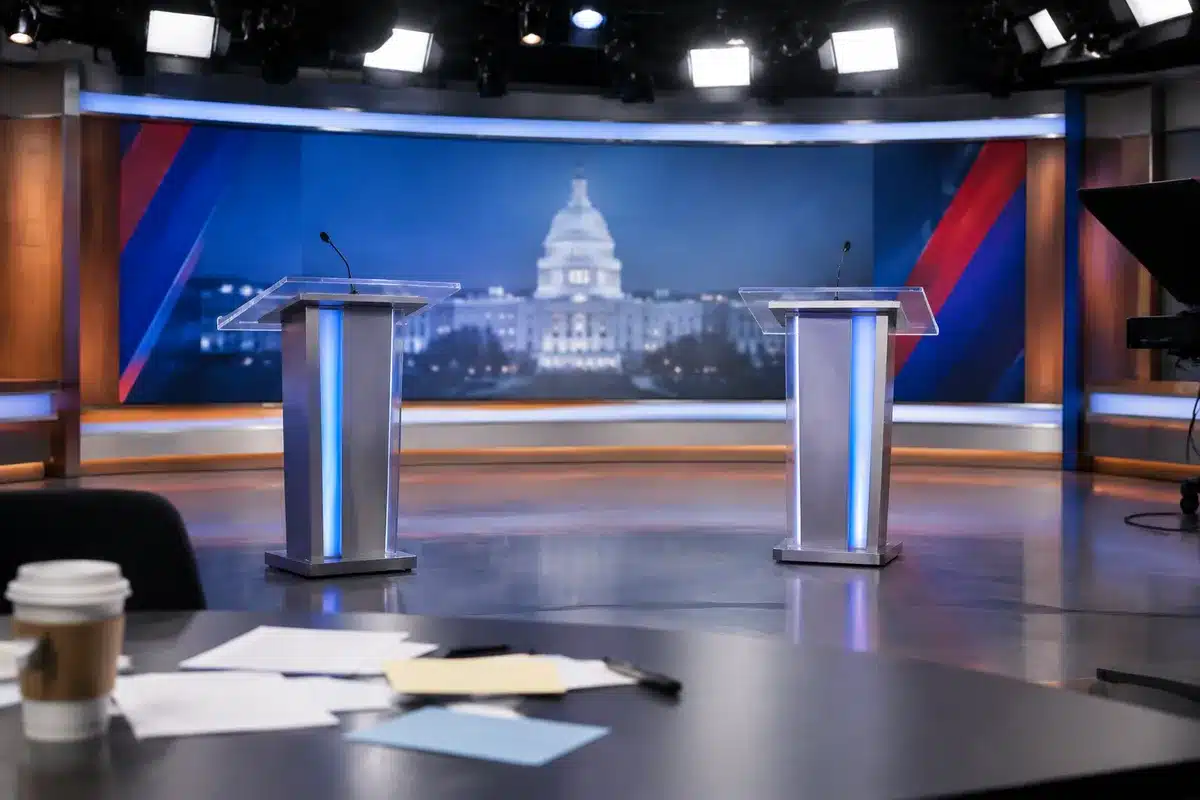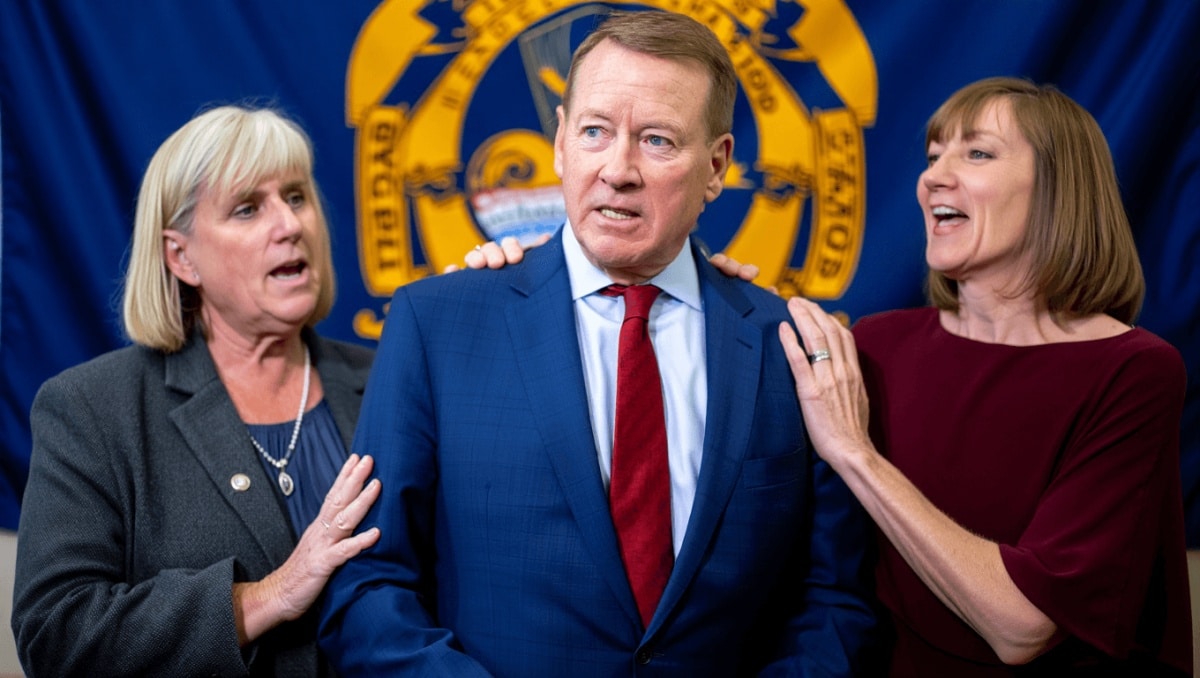
Those two short words under a news photo — a name followed by an agency — do more than credit a photographer: they anchor the image in a chain of responsibility and rights. In an era of rapid image sharing, artificial-image tools and viral visuals, a simple line like that can determine trust, legal standing and how a picture is reused.
The small label that carries weight
When you see a byline such as a photographer’s name next to an acronym for a news agency, it signals who captured the shot and which organization supplied it. That pairing is a public record of provenance: it helps editors trace licensing terms, lets viewers assess source reliability, and assigns accountability if the picture’s context comes into question.
For news consumers, credits are an immediate cue about origin and editorial oversight. For publishers and photo editors, they are part of contractual obligations with wire services and freelancers, often tied to usage rights and fees.
Why this matters now
The noise around how images are produced and shared has never been louder. Advances in image-generation AI, frequent resharing on social platforms, and recurring disputes over copyright have amplified the practical importance of clear attribution.
Without an explicit credit line, readers and downstream publishers can struggle to determine whether a photo is licensed, in the public domain, or manipulated. That uncertainty affects trust in the newsroom and can create legal and ethical risks for outlets that reuse images without confirming rights.
- Trust and verification: Attribution helps verify whether an image came from a professional photographer, a news wire, or an unknown source.
- Licensing clarity: Credits guide editors toward the correct rights-holder for reuse permissions and restrictions.
- Accountability: When context or captioning is disputed, a named photographer and agency provide a point of contact for corrections.
- Combatting manipulation: Clear provenance makes it harder for altered or AI-generated visuals to circulate unchecked.
Practical checks for readers and editors
Not all credits are obvious or complete. A few simple steps can help determine what an image credit actually implies:
- Look for a full byline: a name plus an agency or outlet is stronger evidence of provenance than an unsigned image.
- Scan accompanying captions and publishing notes for licensing or source details.
- When in doubt, use reverse-image search to find earlier instances and associated credits.
- Contact the publisher or the named agency to confirm rights before reusing an image.
Editors should also ensure that staff and contributors understand licensing agreements from wire services and independent photographers. Even routine image reuse can trigger contractual obligations — from credit placement and wording to paid licenses for certain types of distribution.
Perspective
Photo credits are more than formalities. They are an essential element of journalistic transparency, a practical tool for rights management, and a small but critical guardrail against misattribution in a fast-moving media environment. As visual content continues to proliferate across platforms, the clarity and accuracy of those two-part labels will remain a key signpost for both audiences and newsrooms.