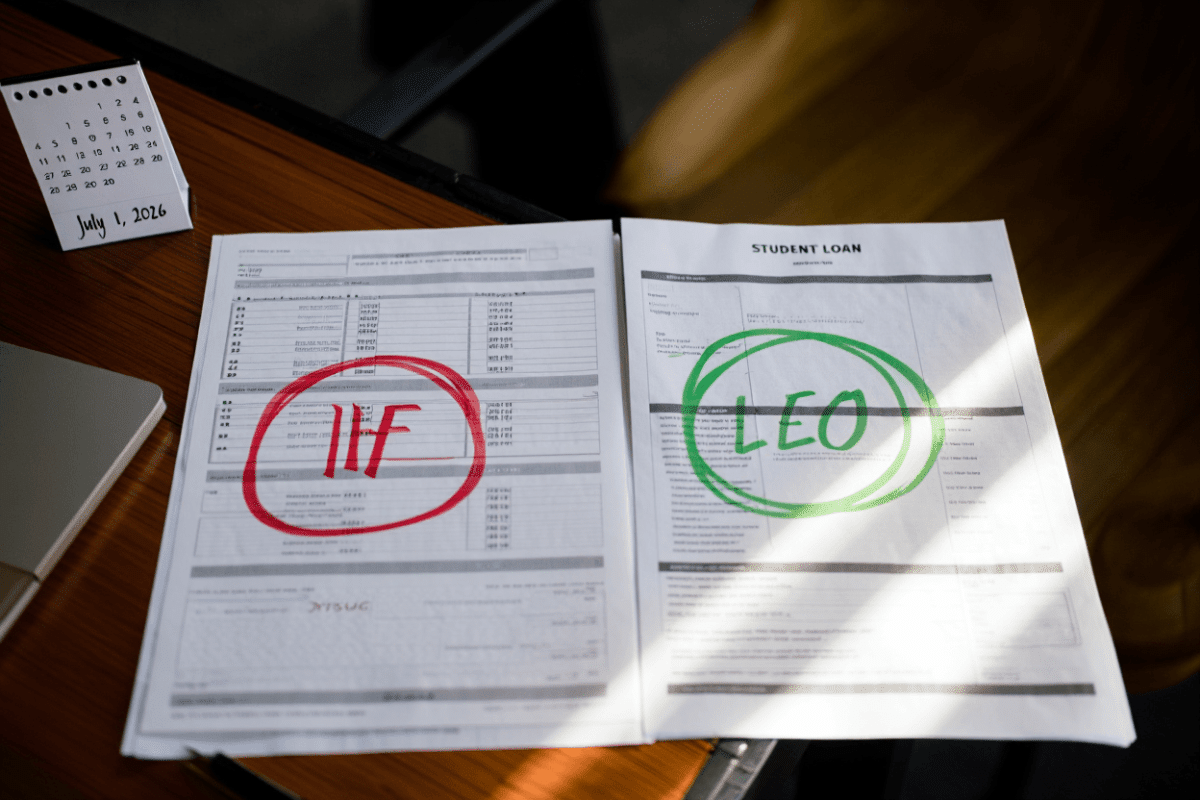
The Education Department implemented a major overhaul of federal student loan repayment on July 1, 2026, introducing two new plans and a temporary interest rate reduction aimed at simplifying borrower options and boosting repayment rates.
The centerpiece of the overhaul is a 1 percent interest rate reduction for borrowers who enroll in automatic payments. Federal student loan borrowers enrolled in autopay became eligible for the reduction beginning July 1, with the benefit lasting through June 30, 2028, according to an Education Department announcement on June 18, 2026. Borrowers who enroll by September 30, 2026, or who are already enrolled, qualify for the full 1 percent cut—an additional 0.75 percent on top of the existing 0.25 percent autopay discount.
Under Secretary of Education Nicholas Kent stated that the reduction would “help borrowers as they consider new, affordable repayment plans and work to repay their loans on time,” noting the department expected the incentive to “drive up repayment rates and significantly improve the overall health of the federal student loan portfolio.”
Two new repayment plans replaced the previous system for new borrowers. The Repayment Assistance Plan (RAP), an income-driven option, calculates monthly payments based on borrower income and dependents, with payments ranging from 1 to 10 percent of adjusted gross income or a flat $10 minimum. The Tiered Standard Plan offers fixed repayment terms of 10, 15, 20, or 25 years based on total outstanding loan balance, allowing higher-debt borrowers lower monthly payments and longer timelines.
The overhaul eliminated the SAVE plan (Saving on a Valuable Education), which had been a popular income-driven option. Unlike SAVE, the new RAP extends forgiveness to 30 years instead of 20 or 25 years, according to multiple sources. RAP also requires higher monthly payments and does not allow $0 payments regardless of income level, according to analysis from The Institute for College Access & Success.
The Education Department cited high default rates as justification for the changes. Prior to the COVID-19 pandemic, more than 80 percent of student loan borrowers in active repayment were enrolled in autopay, but enrollment had fallen to only 40 percent by June 2026. The department positioned the interest rate reduction as an incentive to restore autopay participation and improve loan performance.
Borrowers in the new RAP can receive a match on on-time payments to shield interest from accruing, ensuring principal balances decline each month. The plan also qualifies borrowers for Public Service Loan Forgiveness (PSLF), which discharges certain loans after 120 on-time payments.
The changes affected millions of borrowers. For new loans disbursed on or after July 1, 2026, borrowers have only the two new options available. Existing borrowers with older loans retain access to previous income-driven plans (IBR, PAYE, Graduated, and Extended) through July 1, 2028, when they must transition to RAP or another eligible plan if they have taken out a new loan.
Enrollment in the new plans requires borrowers to provide income information, which the Education Department can now obtain directly from the Internal Revenue Service with borrower consent, streamlining the application process.
Sources
- U.S. Department of Education — Press release announcing 1 percent interest rate reduction for autopay borrowers, effective July 1, 2026, through June 30, 2028
- U.S. Department of Education — Fact sheet on new Repayment Assistance Plan and Tiered Standard Plan implementation
- Federal Student Aid — Updates on One Big Beautiful Bill Act changes to repayment options
- The Institute for College Access & Success — Analysis of student loan repayment changes and RAP features
- NerdWallet — Overview of new Repayment Assistance Plan and comparison to prior income-driven plans
- CBS News — Coverage of new student loan rules taking effect July 1, 2026
- The New York Times — Reporting on Education Department interest rate reduction and autopay requirements