GoPro is weighing a major strategic shift after a short-lived rally tied to a new focus on defense and aerospace — and this week it hired investment bank Houlihan Lokey to evaluate a possible sale and other options. The move comes as sales decline, losses widen and the company trims staff, forcing management to consider more drastic steps than in past years.
Public markets have lately rewarded companies that either supply critical infrastructure or can win government contracts. Battery units for data centers, high-performance chips and defense technology have all attracted fresh capital; investors appear to favor durable, specialized hardware businesses that can land long-term contracts or steady enterprise customers.
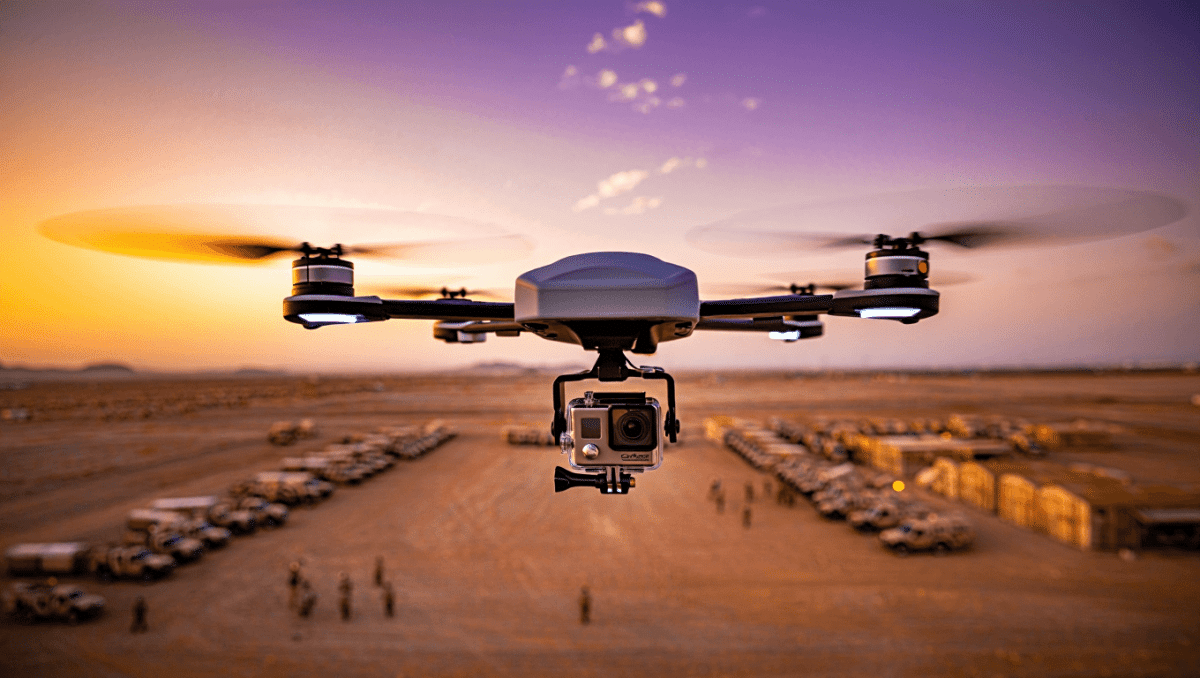
That context helps explain why GoPro’s brief flirtation with military and aerospace markets last month produced a noticeable—and temporary—bump in its share price. The company said it would “explore” applications of its rugged imaging systems beyond consumer cameras, an announcement that revived hopes of a new growth path. Interest, however, cooled quickly and the company’s stock returned to prior levels.
GoPro’s finances and workforce paint a clearer picture of urgency. Revenue trends have weakened and the firm has cut roughly 25% of its employees in recent weeks, reducing headcount to under 600 from about 1,500 at its peak. In that light, recruiting an adviser to solicit and assess inbound proposals signals a company nearing a crossroads.
Founder and CEO Nick Woodman has contemplated a sale before — he acknowledged exploring that option in 2018 — but today’s pressures are more acute. The board’s statement said it received “several unsolicited inbound strategic inquiries” from firms in defense, consumer and financial sectors, a terse way of saying potential buyers and partners are already circling.
What this could mean for GoPro — and for investors and customers — breaks down into a few practical scenarios:
- Acquisition by a defense or aerospace prime: GoPro’s expertise in compact, rugged imaging systems could be absorbed into larger contractors that need lightweight, resilient cameras for platforms and vehicles.
- Sale to a consumer-tech or media company: A buyer might value the GoPro brand, distribution channels and software ecosystem more than its current hardware margins.
- Licensing or IP monetization: The company could keep operating but monetize patents and camera technology through partnerships or licensing deals.
- Standalone turnaround plan: Management could double down on core products, cut costs further and pursue enterprise or industrial customers without selling.
Each option carries trade-offs. An outright sale would offer liquidity and perhaps job security for some employees, but may end GoPro’s independence. Licensing preserves brand presence but typically yields lower near-term returns. A turnaround requires capital and time—two things the company now has less of.
Investors’ recent appetite for companies tied to government spending and infrastructure — from large defense startups raising billions to firms building energy storage for data centers — helps explain why GoPro’s brief defense pivot made sense as a strategy test. The question is whether its imaging technology, supply chain and margins are compelling enough to win meaningful contracts or attract a buyer willing to invest for the long term.
For customers and casual observers, the most immediate impact will be on product roadmaps and support: corporate restructuring often slows new releases and can shift attention away from consumer features toward enterprise customization. For employees and shareholders, the outcome will determine whether GoPro remains an independent maker of action cameras or becomes part of a larger industrial or defense ecosystem.
At stake is more than a brand: it’s whether a company that helped define a category can find a viable role in a hardware market that increasingly rewards scale, recurring contracts and industrial applications. GoPro’s next steps — and any deals that may follow the Houlihan Lokey review — will show whether its cameras are valuable enough beyond hobbyist use to secure the company’s future.