Amazon stock surged in after-hours trading on July 30 after the company reported blowout second-quarter earnings driven by AWS revenue growth of 37% year-over-year—the fastest pace since the fourth quarter of 2021—and announced a $20 billion increase in its full-year capital expenditure guidance to $220 billion.
The e-commerce and cloud giant crushed Wall Street expectations across the board. Amazon reported earnings per share of $5.75, a 215% beat against analyst consensus of $1.81, while total revenue reached $200.6 billion, up 20% year-over-year and topping estimates by roughly $3.6 billion, according to the company’s official earnings release.
AWS’s acceleration from 28% growth in Q1 to 37% in Q2 reflected easing AI chip supply constraints and rising enterprise adoption of cloud-based AI services. The division’s AI and custom chips businesses each exceeded $25 billion in annualized revenue run rates, with triple-digit percentage growth year-over-year. AWS operating income surged to $16.6 billion from $10.2 billion in the same quarter a year earlier, a 63% increase.
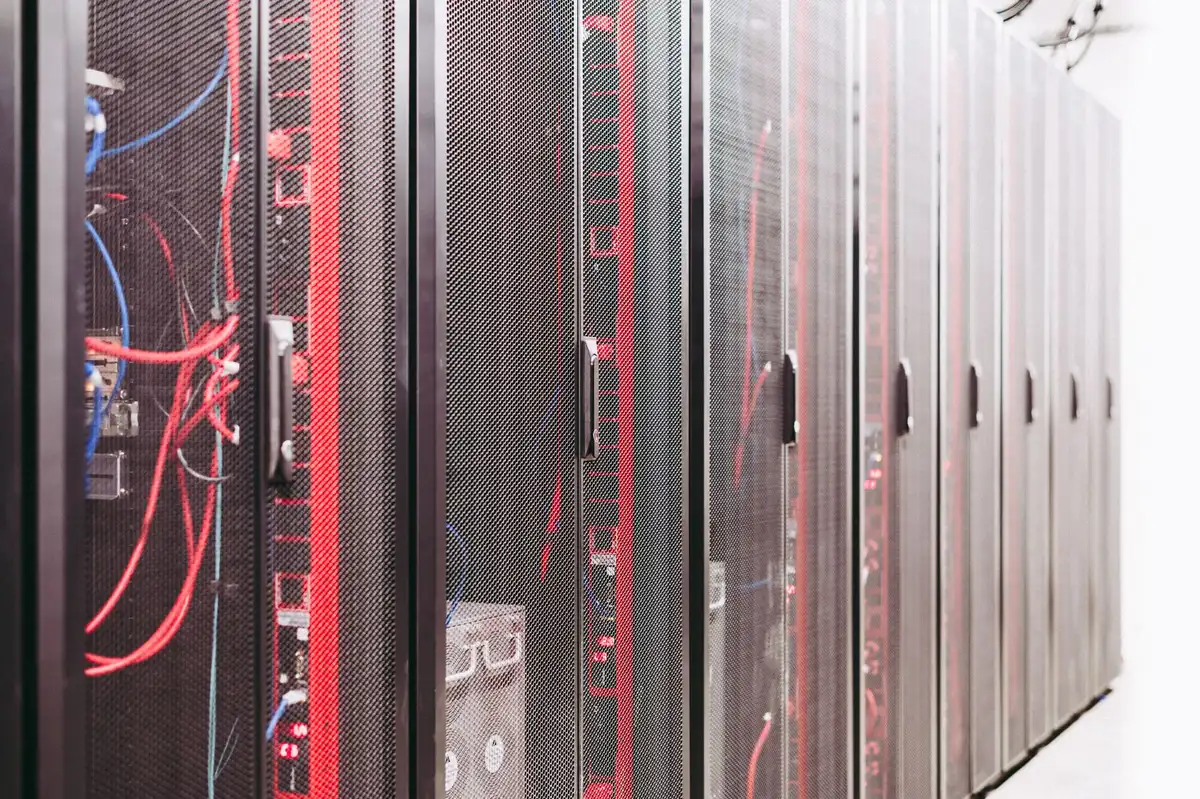
CEO Andy Jassy attributed the $20 billion capex increase to higher memory chip costs but emphasized that even at the elevated spending level, the company will not have sufficient capacity to meet all the demand it faces this year. The capex increase reflects intense competition in cloud infrastructure—Microsoft Azure grew 43% and Google Cloud delivered 82% growth in Q2 2026, according to recent earnings reports.
Amazon’s aggressive spending reflects the scale of the AI infrastructure race. Across the industry, the four largest hyperscalers—Amazon, Google, Microsoft, and Meta—collectively plan to spend $725 billion on capital expenditures in 2026, up 77% from $410 billion in 2025, according to recent research. The partnership with Anthropic, the AI startup in which Amazon has invested up to $25 billion, committed to spending more than $100 billion on AWS infrastructure over the next decade, anchoring AWS’s AI expansion.
The earnings beat settled a debate that had roiled tech stocks for months: whether massive spending on AI infrastructure would eventually pay off. AWS’s acceleration, combined with the company’s willingness to raise capex guidance despite near-term free cash flow headwinds, signals confidence that the AI boom will justify the investment. The market responded with enthusiasm, with Amazon stock surging over 9% in after-hours trading and closing up 15.32% on July 31, according to market data.
The earnings report came with a cost to near-term cash generation. Amazon’s free cash flow swung to a $7.6 billion outflow on a trailing twelve-month basis, down from an inflow of $18.2 billion a year earlier. Operating cash flow still grew 33% to $161.4 billion for the trailing twelve months, but the company’s capital intensity—the ratio of spending to revenue—has reached levels not seen before in its history. This marks the second consecutive quarter of negative free cash flow, as the company prioritizes AI infrastructure investment over shareholder returns.
For Amazon stock investors, the Q2 results suggest that AWS growth remains robust enough to justify the elevated capex levels, at least in the near term. Bank of America analysts raised AWS’s annual growth forecast to 33% following the results, reflecting continued optimism about cloud demand driven by AI adoption. The strong quarter also reflected sustained demand from enterprise customers and AI-focused partners seeking to build and deploy large language models and AI agents on AWS infrastructure.
Sources
- ECIKS.org — Q2 2026 earnings details, AWS growth rate, capex guidance, operating income, and free cash flow figures
- CNBC — AWS revenue growth, EPS beat, capex increase, and free cash flow impact
- Yahoo Finance — Stock price reaction and earnings data comparison
- Statista — Big Tech capex spending forecasts for 2026 and recent guidance updates
- Tom’s Hardware — Industry capex spending and hyperscaler competition context