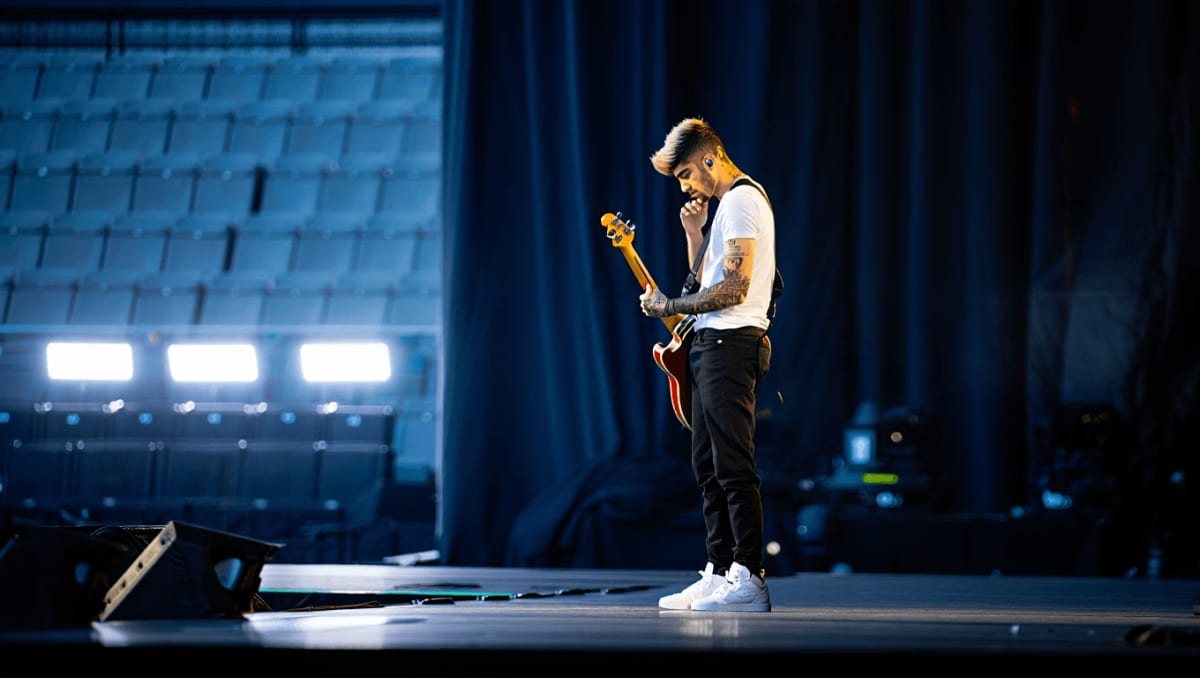
A string of recent tour cancellations and scaled-back arena runs has put a harsh spotlight on the middle tier of pop music — and on whether fans are willing to keep paying steep prices. With artists from Zayn Malik to the Pussycat Dolls trimming their North American schedules, the debate has shifted from outrage about ticketing platforms to a practical question: are some acts simply overreaching in a market that now prizes cultural momentum as much as catalog hits?
Fans circulating venue seat maps showing large blocks of unsold seats helped fuel speculation that poor sales are partly to blame. But industry insiders say the issue is less a collapse of demand than a recalibration: superstars still sell out, while many well-known names are discovering that charging arena-level prices requires more than name recognition.
Who still fills arenas — and why
At the top of the market, demand remains robust. Global megastars whose shows are staged as spectacle continue to command full houses and premium prices. Recent examples include Olivia Rodrigo, who extended her arena dates repeatedly after intense demand, and Harry Styles, whose multi-week runs at major venues pushed resale and primary prices into four figures for prime seats.
Big names in other genres are also drawing large crowds. Singer-songwriters and artists with fervent fan communities can move millions of tickets: Noah Kahan reportedly sold over a million tickets across a stadium tour, and even with resale limits in place, face-value-adjacent costs for a single show can approach several hundred dollars per person.
Industry-wide figures back up the trend. Average ticket prices have climbed substantially since the pandemic era, and major promoters reported record attendance and strong revenue in early 2026 — an indicator that appetite for live music has not evaporated for headline acts.
Why some tours are being cut back
Not all performers can translate streaming numbers or past hits into current box-office draws. Several dynamics are at play:
- Pricing versus perceived value: Many consumers weigh total trip costs — ticket price plus travel, parking and concessions — before buying. For mid-level acts, high face values can push potential attendees to pass.
- Timing and marketing missteps: Putting tickets on sale before a new album drops or before a compelling promotional push can leave demand softer than projected.
- Genre shifts and branding changes: When an artist shifts musical direction, some portion of their audience may not follow, reducing turnout for larger venues.
- Overambitious routing: Booking large arenas across many cities assumes consistent demand that may not exist in all markets.
When those assumptions fail, tours are often downsized, postponed or canceled — decisions that frustrate fans and hurt local economies that benefit from concert-related spending.
Howie Schnee, a long-time concert promoter, summed up the practical calculus: fans have finite budgets and priorities, and they will spend on acts that feel essential to them. That means artists who inspire a passionate, loyal following are insulated from price sensitivity; others are not.
What this means for fans, artists and the industry
For consumers, the era of treating every arena show as a must-attend event is over. Many concertgoers are selectively spending on artists who feel culturally vital or personally meaningful, skipping reunion tours or nostalgia runs that don’t justify the outlay.
- Fans: Expect more careful decision-making about which shows to attend and more scrutiny of total costs.
- Mid-tier artists: Booking teams may shift toward smaller venues, shorter runs, or more varied pricing strategies to match realistic demand.
- Promoters and platforms: Data-driven routing and staggered sales strategies are likely to increase as the industry seeks to avoid partially filled arenas.
There are broader policy and reputational angles as well. High prices and resale practices have drawn legal scrutiny and consumer ire; a federal jury recently found a major promoter liable in an antitrust case, a development that has only intensified attention on how tickets are priced and distributed.
Meanwhile, companies in the live-entertainment ecosystem report strong overall performance, underlining the point that the boom is concentrated at the top. If superfans are willing to pay, headline shows will continue to prosper even as other acts face stiffer competition for discretionary entertainment dollars.
That dynamic helps explain recent cancellations by artists such as Zayn Malik, Post Malone and the Pussycat Dolls. Some cited personal or logistical reasons publicly, but industry observers note those announcements often follow a period of soft sales, particularly when ticket release maps show many unsold sections.
One practical illustration of the financial burden of going to live shows: a veteran promoter tallied out the full cost for a family night at a major arena and arrived at an amount that would surprise many — a reminder that ticket face value is only one component of the expense.
Outlook: selective resilience, not collapse
The immediate takeaway is clear: the live-music market is not collapsing, but it is stratifying. Acts with genuine, active fan communities and cultural momentum can continue to command premium prices and repeat sellouts. Artists without that depth of engagement may need to lower scale, retool promotion or accept more conservative routing.
For audiences, the change may ultimately be beneficial: more realistic pricing, better-targeted shows, and the possibility of more intimate performances as some acts step down from oversized arenas. But for now, the industry finds itself in a transitional state — lucrative at the summit, uncertain in the middle.