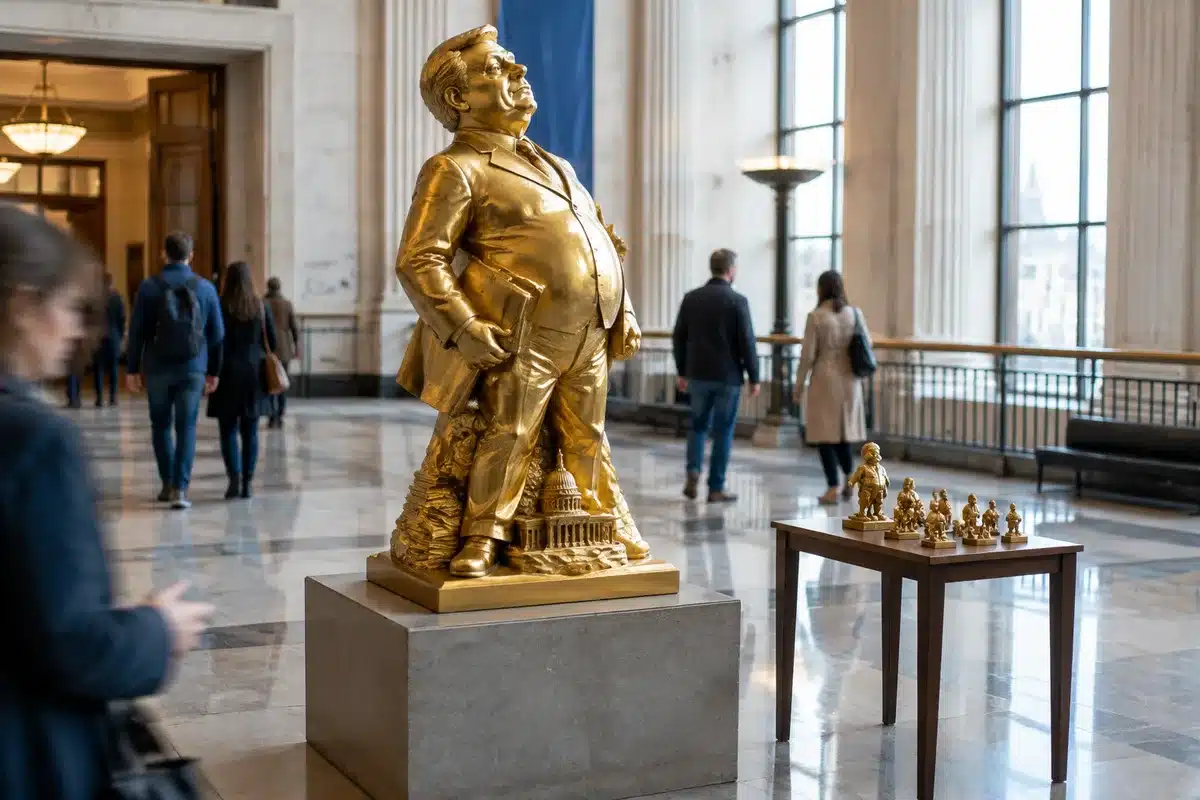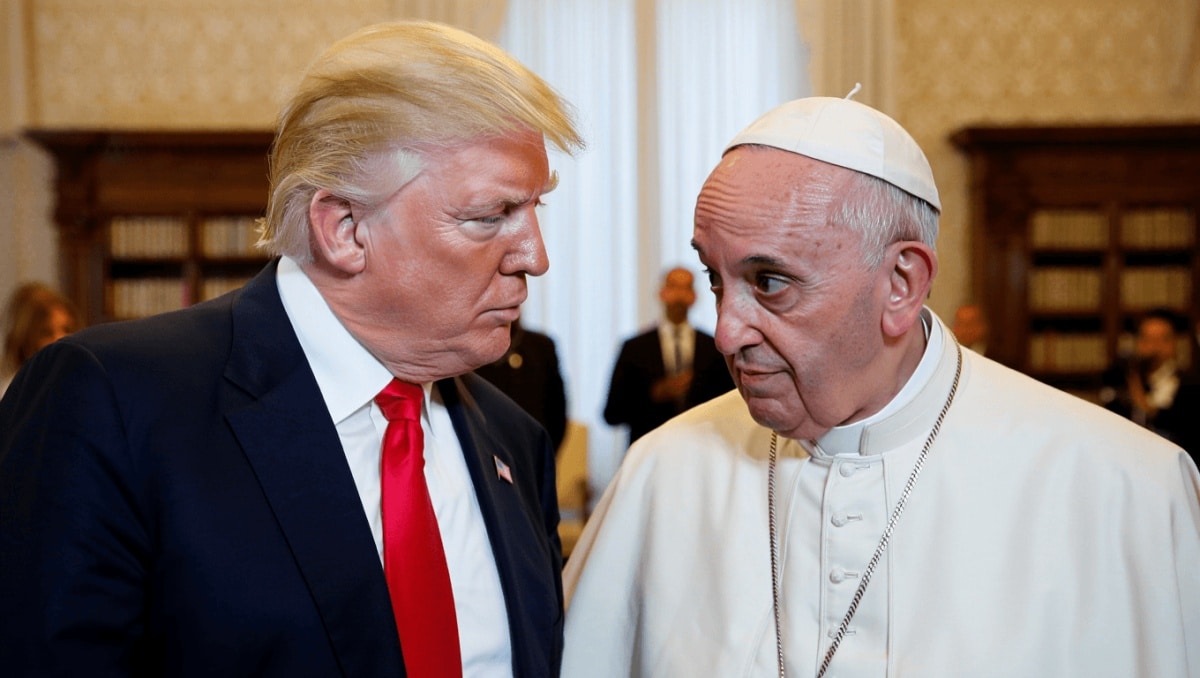
A familiar public tension between Donald Trump and Pope Francis has shifted into a new phase, with consequences that reach beyond a personal spat. What once appeared as a clash of personalities now intersects with internal church debates, partisan politics and the mobilization of Catholic voters—making the disagreement more consequential than past episodes.
From policy disagreement to institutional friction
For years the friction between the American political figure and the pontiff has centered on broad themes: immigration, climate policy and how faith speaks to economic inequality. Those differences remain, but the dynamic has changed. The dispute no longer looks like a private quarrel; it has become embedded in the competing strategies of political operatives, conservative Catholic networks and segments of the U.S. episcopate.
That shift matters because the conflict is now shaping local church life. Parish debates about Communion, clergy statements, and the tone of diocesan communications are being read as signs of alignment or resistance—raising the stakes for bishops and parish leaders who previously could stay out of national political crossfire.
Why this moment is different
Several factors make today’s clash qualitatively distinct.
- Media amplification: Social platforms and conservative Catholic outlets quickly turn remarks into campaign messaging, widening any rift.
- Institutional spillover: U.S. bishops and parish leaders are increasingly visible in political debates, turning private theological disagreements into public controversies.
- Polarized audience: Catholic voters are more divided than in past decades, so papal statements reverberate differently across political tribes.
- Organizational muscle: Advocacy groups on both sides now coordinate strategy, from diocesan letters to voter outreach.
Not just hot rhetoric
Unlike earlier episodes that played out mostly as headlines, the current tension produces tangible effects. Diocesan communications teams are fielding questions from parishioners; donors are reassessing support; and political campaigns factor clerical statements into messaging and outreach. For many Americans who identify as Catholic, the debate is less about theology and more about where religious authority intersects with political identity.
Potential consequences for U.S. politics and the church
The dispute carries implications on several fronts. At the ballot box, it could reshape turnout patterns among religious voters. Within the church, it tests bishops’ ability to mediate between pastoral responsibilities and public pressure. Internationally, it complicates Vatican diplomacy, since the Holy See seeks to maintain relationships with governments while articulating moral positions.
Observers point to three practical outcomes to watch:
- Shifts in Catholic voter mobilization and messaging strategies by political campaigns.
- Heightened pressure on bishops to take clear stances or risk criticism from both sides.
- Greater influence for faith-based media ecosystems that frame papal remarks as political judgments.
What this means for ordinary Catholics
At the parish level, the dispute can feel disorienting. Many faithful prefer spiritual guidance over political analysis, yet they may find themselves pulled into public controversies when clergy or lay leaders speak publicly. For the broader public, the clash spotlights a larger question: how religious authority should relate to partisan politics in an age of polarized media.
Longer term, the confrontation may push some Catholics to re-evaluate which church leaders they trust on social and political issues—and whether they expect the Vatican to act primarily as a moral voice or a diplomatic institution.
Read this as a turning point, not an endpoint
Past encounters between high-profile politicians and the papacy have often cooled quickly; this wave is different because it feeds directly into organizational networks and electoral strategies. That makes reconciliation less likely to be swift, and the ripple effects more durable.
For journalists, church officials and voters alike, the core question is practical: how will religious institutions balance moral teaching with the realities of modern political organization? The answer will shape both American politics and the global Catholic conversation for years to come.