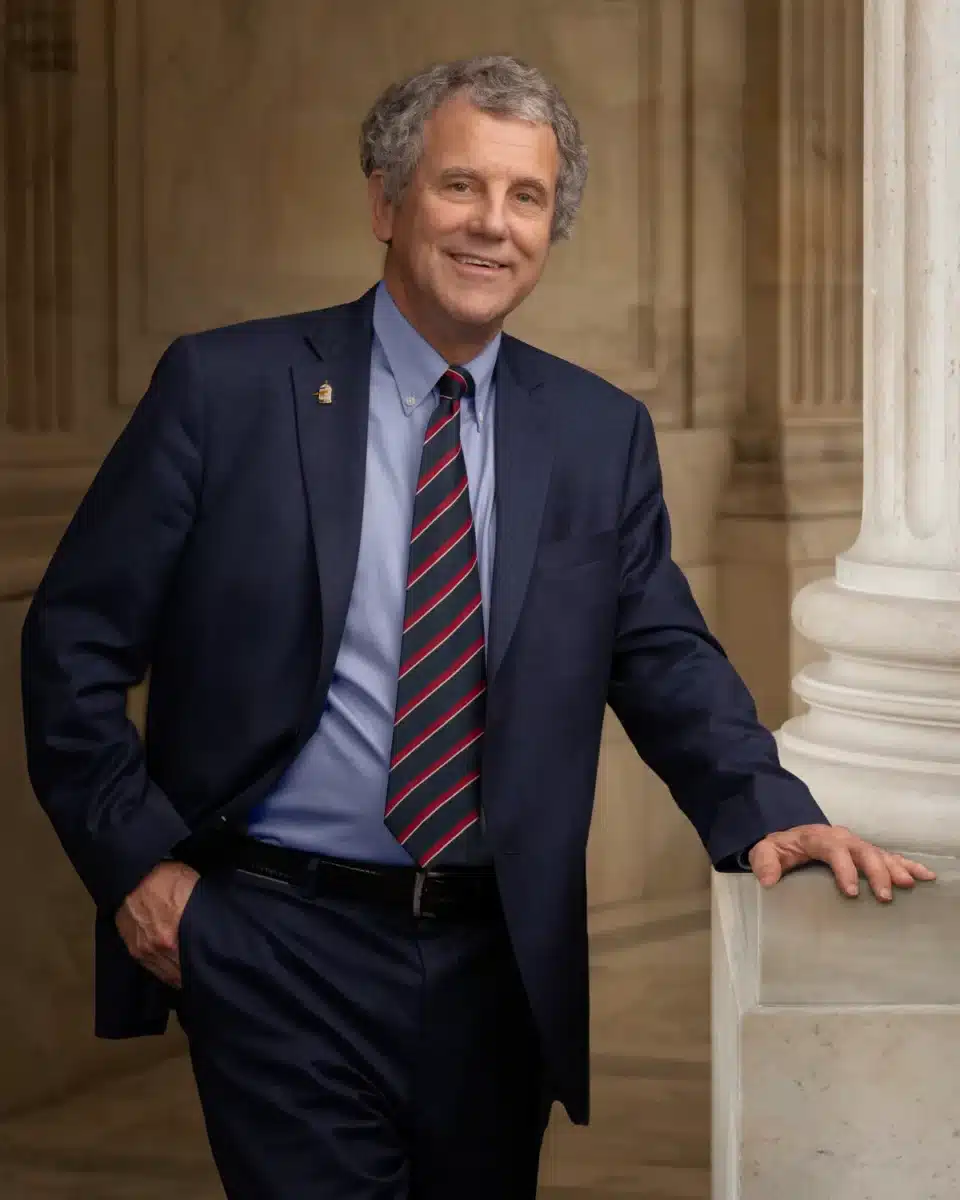
J.D. Vance arrived in national politics with two unmistakable chances to reshape his public standing: first as the author whose memoir put him on the cultural map, and later as a newcomer to the U.S. Senate. In both instances, the momentum that raised expectations did not translate into a steady track record of influence, leaving questions about his long-term political staying power.
Why this matters now: voters in Ohio and conservative leaders across Washington are watching whether Vance can turn visibility into durable authority — a test that will shape GOP dynamics ahead of the next big election cycles.
From a literary platform to a political platform
Vance’s memoir, widely discussed and dissected, gave him rapid national visibility and a ready-made narrative about the white working-class experience. That exposure created an unusual pathway into politics: rather than rising through local offices or long party service, he stepped directly into the spotlight with a personal story that resonated beyond partisan lines.
But high-profile attention can be a double-edged sword. The very elements that made the book a national talking point also invited scrutiny of Vance’s public statements, affiliations, and policy positions. For many observers, the transition from cultural commentator to political actor raised questions about whether literary fame alone could sustain credibility in the rough-and-tumble of partisan governance.
The Senate test: expectations vs. reality
When Vance took a seat in the Senate, allies expected him to translate his outsider appeal into legislative momentum and a distinct conservative voice. New senators often have a window to establish committee roles, cultivate relationships, and define a public brand. Vance’s early tenure featured several high-visibility moments where those possibilities could have been realized.
Yet critics argue he missed chances to shape policy debates decisively or to carve out a reliable niche within the GOP caucus. For opponents, his actions have sometimes appeared reactive rather than strategic, and his public image has struggled to move beyond the polarizing mix of celebrity and partisanship that first made him known.
Two turning points, in brief
– Public narrative: The memoir gave Vance immediate national prominence but also tied him to contentious cultural debates that complicated political alliances.
– Institutional influence: As a senator, he faced the familiar challenge of converting name recognition into legislative clout; observers say that opportunity has been only partially realized.
The concrete stakes for readers
Vance’s trajectory matters for several practical reasons. In Ohio, his effectiveness or lack thereof affects constituent priorities, federal funding fights, and the messaging Ohio Republicans bring into statewide and national campaigns. In Washington, his ability to lead—or to fall short—shapes how the party balances populist rhetoric and governing competence.
A closer look at implications
– For Ohio voters: an elected official who fails to deliver on visible promises risks weakening local party cohesion and handing Democrats new openings.
– For the GOP: emerging leaders who cannot consolidate influence quickly may be sidelined when big policy choices or candidate slates are set.
– For political media: Vance’s mix of celebrity and office-holding will continue to offer a lens into how memoir-driven political profiles fare in sustained public service.
What comes next
Turning visibility into influence is an uneven, often unpredictable process. Vance can still redefine his trajectory by choosing narrower policy priorities, building durable caucus relationships, or refocusing on constituent services in Ohio. Alternatively, continued missteps or missed opportunities could leave him emblematic of the limits of literary fame as a foundation for long-term political authority.
Observers will be watching how he moves from headline moments to everyday political work — because that’s where reputations are really tested, and where the immediate consequences play out for both voters and party leaders.