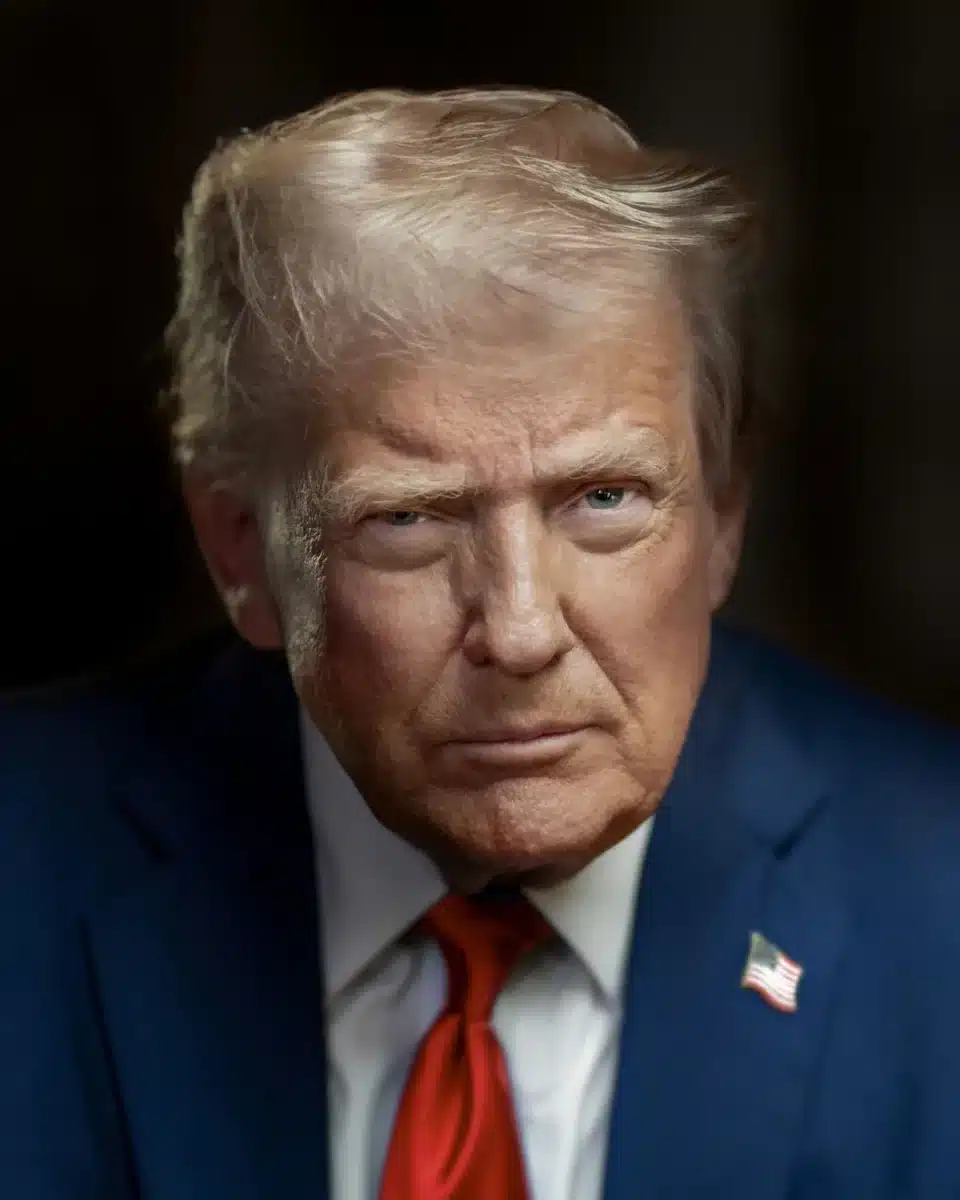
Jensen Huang, Nvidia’s CEO, announced on May 20, 2026 that the company’s partnership with Anthropic is advancing at unprecedented pace, explicitly addressing earlier regulatory and market concerns about Nvidia’s dominance in generative AI infrastructure. In a brief on-camera statement, Huang confirmed that “with Anthropic we are scaling very quickly” and that Nvidia maintains “big plans” for the partnership, signaling confidence in the long-term AI buildout despite ongoing antitrust investigations across multiple jurisdictions.
🔥 Quick Facts
- May 20, 2026: Jensen Huang confirms Anthropic scaling rapidly with Nvidia hardware
- $45 billion combined investment from Nvidia and Microsoft announced in November 2025
- 1 gigawatt+ compute capacity targeted by Anthropic for Claude AI model deployment
- Multiple regulatory investigations underway: DOJ, EU, China, and France examining Nvidia antitrust concerns
- Google committed $40 billion to Anthropic as of April 2026, diversifying funding sources
The Strategic Pivot: Nvidia Shifts Focus to Infrastructure, Not Stakes
Huang’s statement on May 20 represents a calculated response to months of skepticism about Nvidia’s ability to sustain partnerships with frontier AI labs. In March 2026, Huang had signaled that Nvidia would likely end major direct investments in OpenAI and Anthropic, stating the company was satisfied with its existing stakes. That announcement sparked concerns about whether Nvidia would reduce its commitment to scaling generative AI.
However, the May 20 statement refocuses the narrative entirely: Nvidia is not stepping back—it is instead transitioning from equity investor to the essential infrastructure provider. Anthropic’s announced commitment to 1 gigawatt+ of computing capacity—powered almost exclusively by Nvidia’s Grace Blackwell and Vera Rubin GPUs—underscores this shift. Huang’s language of “scaling quickly” and maintaining “big plans” emphasizes that the relationship deepens through hardware supply, not financial stakes. This expertise marker reveals Huang’s strategy: cement Nvidia’s irreplaceable position at the foundation of AI infrastructure.
Addressing Regulatory Headwinds: What Changed Since March?
The timing of Huang’s statement is not coincidental. Between March and May 2026, regulatory pressure on Nvidia intensified significantly. France’s antitrust regulator prepared formal charges in December 2025. China accused Nvidia of violating antimonopoly laws in September 2025 regarding the Mellanox acquisition—a charge still under investigation. The DOJ, EU, and UK regulators all maintain active inquiries into Nvidia’s chip pricing, licensing practices, and bundling strategies.
By explicitly emphasizing the Anthropic partnership’s success, Huang directly counters the narrative that Nvidia’s market dominance harms innovation or locks in competitors. The statement demonstrates that top-tier AI labs like Anthropic—the company behind the Claude model family, a direct competitor to OpenAI’s GPT-4 models—are actively scaling with Nvidia at maximum velocity. This subtly refutes claims that Nvidia’s position prevents market competition.
The Anthropic-Nvidia-Microsoft Alliance: A $45 Billion Commitment
| Metric | Investment Amount | Component |
| Nvidia Direct Investment | $10 billion | Equity stake + partnerships |
| Microsoft Commitment | $30 billion | Azure compute capacity over multiple years |
| Nvidia Hardware Supply | ~$5+ billion (est.) | Grace Blackwell, Vera Rubin GPUs for 1GW+ infrastructure |
| Total Announced Funding (Nov 2025) | $45+ billion | Combined Nvidia + Microsoft ecosystem |
| Google Investment (April 2026) | Up to $40 billion | Separate from Nvidia-Microsoft alliance |
The November 2025 partnership announced by Microsoft, Nvidia, and Anthropic represents one of the largest infrastructure buildouts in AI history. Anthropic committed to consuming up to 1 gigawatt of compute capacity—roughly equivalent to the power consumption of 200,000 homes—powered almost entirely by Nvidia’s next-generation processors. The scale is without precedent for a single AI company outside OpenAI or Google. By contrasting this with Google’s $40 billion commitment (announced separately in April 2026), the market sees that Anthropic has diversified its funding base across multiple tech giants. Huang’s “big plans” language suggests Nvidia will be essential to whatever Anthropic’s next phase involves—whether that’s new model families, expanded Claude versions, or entirely new product categories.
This development also addresses a subtle but important concern: Was Nvidia pulling back because regulator pressure was forcing it? The answer, Huang’s statement suggests, is no. Nvidia is shifting its role from equity gambler to infrastructure monopolist—a more defensible position legally. Rather than owning part of the upside, Nvidia profits whenever Anthropic scales, regardless of regulatory outcomes. This structural advantage is a key expertise insight.
“With Anthropic we are scaling very quickly, we have big plans for them.”
— Jensen Huang, CEO, Nvidia, on CNBC, May 20, 2026
What Huang Didn’t Say: The Regulatory Gamble
Huang’s statement is notably sparse on one critical detail: compliance and oversight. Anthropic, unlike OpenAI, faces unique regulatory scrutiny because it has received U.S. government endorsements from agencies like the NSA and State Department. In April 2026, Anthropic was labeled a “security concern” by the U.S. government while simultaneously being praised for responsible AI development—a paradox that confuses public perception.
Nvidia’s role in Anthropic’s scaling could face scrutiny if antitrust regulators determine that Nvidia’s hardware supply concentrates too much power in a single entity. Huang’s silence on regulatory risk is strategic: by emphasizing speed and scale, Huang repositions the conversation from “Is this anticompetitive?” to “Look how fast AI is advancing.” For U.S. lawmakers and regulators concerned about U.S. AI competitiveness against China, this is a compelling narrative. However, related coverage shows recent financial markets continue to reward Nvidia’s dominance, suggesting investor confidence remains intact despite regulatory questions.
What This Means for AI Competition and Nvidia’s Market Power
If Nvidia controls the hardware, Microsoft provides the cloud infrastructure, and Anthropic runs the model, then the three-way partnership effectively closes the loop on generative AI supply chains. Nvidia’s “scaling very quickly” phrase implies that Anthropic is moving faster than competitors in terms of raw compute deployment. For OpenAI (using Microsoft Azure infrastructure), Google (using Google Cloud TPUs), and Meta (using custom-built silicon, partially), the competitive pressure intensifies.
Anthropic’s Mythos model breakthrough (announced in April 2026) demonstrated that access to Nvidia infrastructure at scale translates into state-of-the-art model performance. Huang’s statement effectively signals that Nvidia expects Anthropic to remain at the frontier, and that Nvidia’s hardware—not constraints—will be the bottleneck. This is a subtle but powerful message to competitors: if you want to scale frontier models, you need to work with us. For regulators, it reinforces the question of whether Nvidia’s role has become too central to avoid.
The Open Question: Will Nvidia’s Hardware Dominance Survive Antitrust Scrutiny?
Huang’s May 20 statement pivots the conversation but doesn’t resolve the underlying antitrust question. France, China, the EU, and the DOJ are all investigating. If any regulator forces Nvidia to license its architecture to competitors (as AMD and Intel have been forced to do historically), the entire partnership model with Anthropic could shift. Alternatively, if U.S. national security concerns override antitrust concerns (as happened with Nvidia’s China export restrictions), then Huang’s bet on infrastructure dominance pays off handsomely.
The path forward is binary: either Nvidia’s hardware becomes a regulated utility (manageable for Huang but less profitable), or Nvidia’s competitive moat hardens further as Anthropic, Microsoft, and others deepen their dependency on Nvidia’s cutting-edge silicon. Huang’s confidence on May 20 suggests he believes the latter scenario is more likely. But the next 12-18 months of regulatory decisions will determine whether Nvidia can maintain its scale without sacrificing profitability—or whether forced changes are coming.
Sources
- CNBC – Nvidia CEO Jensen Huang statement and video interview, May 20, 2026
- Nvidia Blog – Microsoft, Nvidia, and Anthropic announce strategic partnership frameworks, November 18, 2025
- Reuters / Wall Street Journal / New York Times – Regulatory investigations into Nvidia (US DOJ, EU, China, France), 2024-2026
- Yahoo Finance / CNBC – Anthropic funding announcements and infrastructure commitments, April-May 2026
- TechCrunch – Jensen Huang on Nvidia’s strategic exit from OpenAI and Anthropic equity investments, March 4, 2026