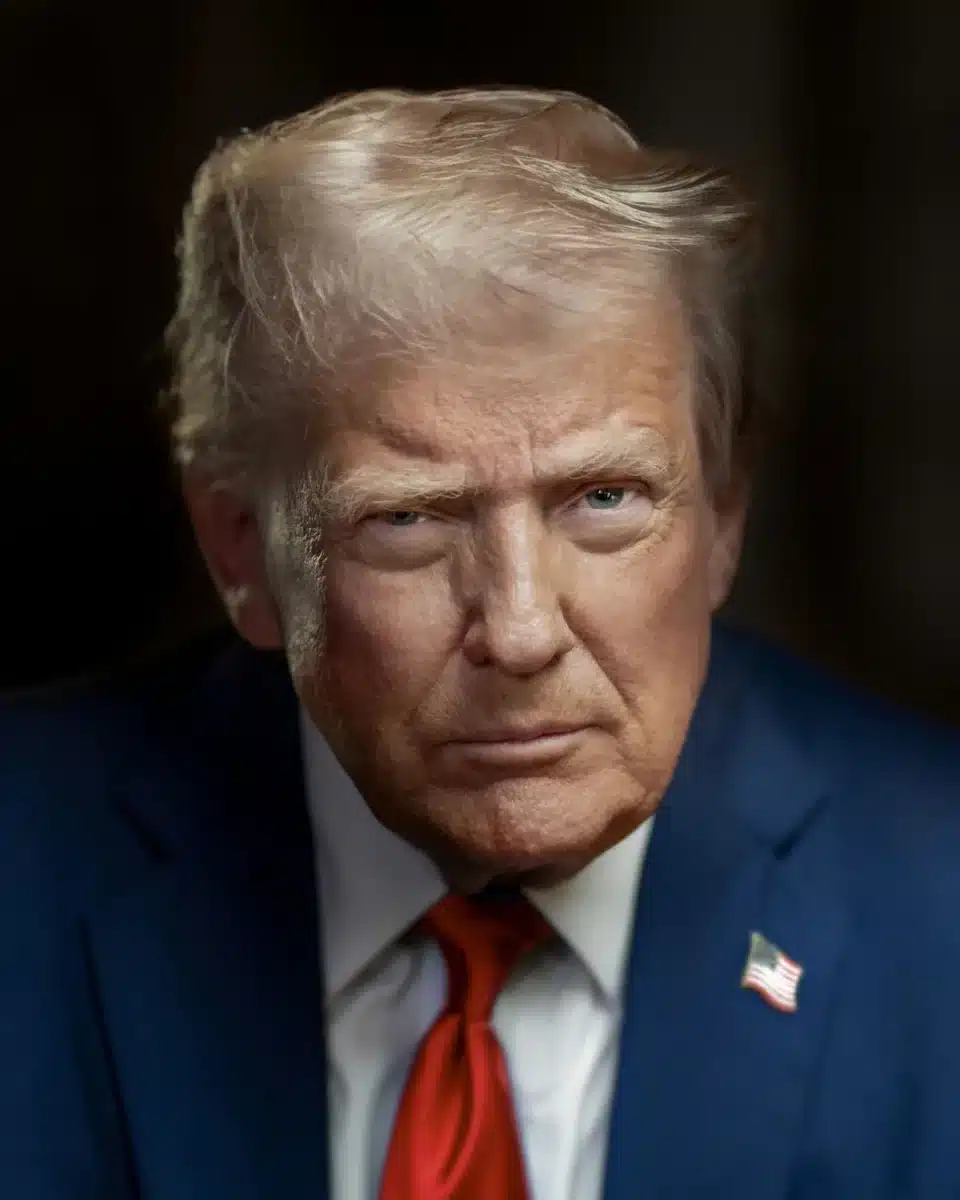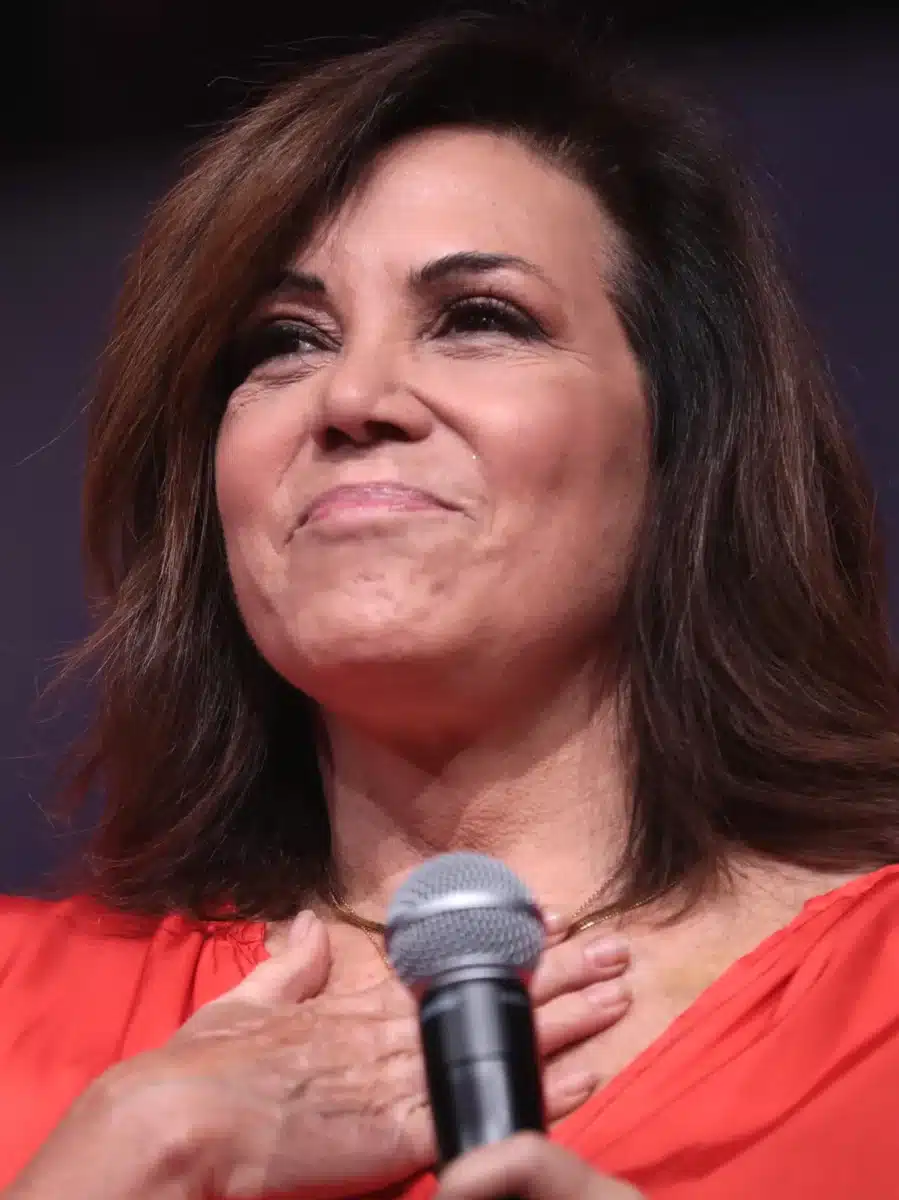
Valor Equity Partners, the investment firm founded by Antonio Gracias, holds approximately 4% of SpaceX—a stake that could be worth between $70 billion and $91.6 billion when the aerospace company launches its long-awaited initial public offering on June 12, 2026. The pending IPO on Nasdaq under ticker SPCX targets a valuation between $1.75 trillion and $2 trillion, making it potentially the largest public offering in history. For Gracias, a longtime ally of Elon Musk who engineered the investment strategy behind some of the world’s most valuable private companies, this represents a generational wealth event built on nearly two decades of conviction in commercial spaceflight.
🔥 Quick Facts
- Valor Equity owns 4% of SpaceX, valued at $70B-$91.6B at projected IPO valuation
- SpaceX IPO targeting June 12, 2026 on Nasdaq under ticker SPCX with potential $75 billion raise
- Valor invested $76 million+ in 2008, marking one of the earliest institutional bets on commercial spaceflight
- Antonio Gracias founded Valor in 1995 and serves on SpaceX’s board as a director
- Projected IPO valuation is $1.75T-$2T, making SpaceX more valuable than Saudi Aramco ($29B market cap)
The Evolution of Valor’s SpaceX Investment: From 2008 to IPO
Antonio Gracias built his investment fortune on identifying companies with transformative technology and operational excellence. Valor Equity Partners, which he founded in 1995, pioneered the concept of “operational growth investing”—backing visionary founders while actively solving manufacturing, supply chain, and scaling challenges. His early participation in both Tesla (2007-2021 board director) and SpaceX demonstrated this strategy’s power.
SpaceX, founded by Elon Musk in 2002, was considered high-risk when Valor invested $76 million or more in 2008—during the financial crisis when most institutional investors fled tech and aerospace. While competitors like traditional aerospace contractors dominated government contracts, Musk’s vision of reusable rockets and dramatically lower launch costs seemed improbable. Gracias’s willingness to deploy capital during this period, combined with his board presence, positioned Valor among SpaceX’s most sophisticated early institutional shareholders. Over 18 years, as SpaceX evolved from struggling startup to the most valuable private company globally, Valor’s stake compounded exponentially.
The Mathematics Behind the $91.6 Billion Stake Valuation
The $91.6 billion figure referenced in recent reports reflects a specific calculation method. SpaceX’s current valuation stands between $1.75 trillion and $2 trillion based on investor guidance for the IPO. With Valor holding approximately 4% of the company, the stake’s value is straightforward mathematics:
- At $1.75T valuation: 4% = $70 billion
- At $1.87T valuation: 4% = $74.8 billion
- At $2T valuation: 4% = $80 billion
- At $2.29T valuation: 4% = $91.6 billion (higher-end analyst projections)
Unlike previous mega-IPOs, SpaceX’s valuation reflects not historical earnings but forward-looking revenue potential. The commercial space market, currently valued at approximately $30 billion annually, is projected to reach $100 billion by 2036 according to industry analysis. SpaceX already captures the largest share through Starlink, Falcon rocket launches, and government contracts, positioning the company at the center of a secular growth trend.
SpaceX’s Ownership Structure: Poder Over Public Float
| Shareholder | Estimated Stake | Projected Value at $1.75T |
| Elon Musk (direct + trust) | 42% | $735 billion |
| Sequoia Capital | ~7-9% | $122B-$157B |
| Valor Equity Partners | ~4% | $70 billion |
| Founders Fund | ~5-6% | $87B-$105B |
| Baillie Gifford | ~3-4% | $52B-$70B |
| Other institutions & employees | ~28-34% | $490B-$595B |
Musk’s 42% stake gives him voting control and aligns his personal wealth with SpaceX’s success. However, institutional investors like Sequoia Capital, Valor Equity, Founders Fund, and Baillie Gifford control a combined ~20% of shares, providing governance weight and alignment with long-term value creation. The IPO will introduce public shareholders, likely capping total float at 20-30% to maintain founder control—a critical detail for understanding post-IPO dynamics.
“SpaceX’s IPO could return more than $60 billion each for early investors like Valor Equity Partners, whose founder Antonio Gracias backed the company since its earliest rounds and maintains board representation. The combination of operational expertise and patient capital distinguishes Valor’s approach from typical venture investors.”
— The Information, May 20, 2026
Antonio Gracias’s Investment Philosophy: Operational Involvement Over Passive Ownership
Gracias’s approach differs fundamentally from traditional venture capital. Rather than passive shareholding, he actively engages in solving operational bottlenecks. At Tesla, where his wealth grew substantially through board service and equity appreciation, Gracias famously worked the factory floor, sleeping there during critical manufacturing crises to solve supply chain and production scaling challenges. This hands-on model transfers to SpaceX, where his board seat provides strategic influence on capital allocation, manufacturing efficiency, and government relations.
The $91.6 billion potential return represents not just equity appreciation but validation of his thesis: visionary founders backed by patient, operationally-engaged capital create generational wealth. Gracias’s personal net worth, estimated at $2.2 billion as of 2025, is predominantly derived from Tesla and SpaceX holdings. The pending SpaceX IPO could increase that figure multifold depending on public market valuations and his post-IPO holding strategy.
IPO Timeline and Implications for Valor’s Liquidity and Wealth Crystallization
SpaceX’s accelerated IPO timeline reflects confidence among SpaceX management and bankers that market conditions support a premium valuation. The company filed confidentially with the SEC on April 1, 2026, and formal prospectus filing is expected imminently. The accelerated schedule—roadshow beginning June 4, pricing June 11, listing June 12—enables a swift transition to public markets.
For Valor Equity and Gracias personally, the IPO enables partial liquidity while maintaining long-term upside. Unlike typical founder-led companies where insiders dump shares immediately, sophisticated institutional shareholders like Valor typically follow a 4-6 year staged selling program to crystallize gains while avoiding market saturation. Board representation often extends post-IPO, signaling confidence in the public company’s future.
SpaceX’s projected public float is expected to comprise only 20-30% of outstanding shares, with Musk and early institutional investors retaining 70-80%. This structure ensures founder control while providing liquidity for public shareholders. Valor’s 4% stake will likely be subject to standard SEC lock-up provisions (typically 180 days post-IPO), after which staged selling becomes possible.
Comparative Context: Is a $91 Billion Return Realistic?
To assess whether $91.6 billion valuations are credible, consider comparable reference points. Elon Musk’s personal SpaceX stake ($735B at $1.75T valuation) represents approximately 88% of his entire $839 billion net worth. A SpaceX valuation of $2.29 trillion—required to reach $91.6 billion for Valor’s 4% stake—would imply SpaceX trading at a 50% higher valuation than current guidance. While possible if the IPO generates extraordinary demand (similar to Tesla’s 2010 offering), current consensus estimates place fair value closer to $70B-$80B per 4%.
Analysts at Ark Invest projected SpaceX reaching $2.5 trillion in value by 2030, implying significant upside beyond the IPO price. If realized, Valor’s 4% stake would compound significantly through the remainder of the decade, ultimately approaching the $91.6 billion figure through market appreciation rather than IPO pricing alone.
What Happens to Valor Equity After the SpaceX IPO?
The SpaceX IPO marks a transition point for Valor Equity Partners but not a conclusion. Gracias and Valor have historically maintained long holding periods in successful companies, reinvesting gains into new opportunities. Valor’s portfolio extends beyond SpaceX, including stakes in other Elon Musk ventures (xAI) and a diversified set of operational growth investments.
For the broader investment landscape, Valor’s SpaceX success validates a thesis**: early-stage involvement in capital-intensive, technology-driven businesses yields outsized returns when founders maintain execution discipline. As space becomes an increasingly commercial market—with satellite communications, orbital manufacturing, and eventually lunar and Mars ventures—Valor’s expertise positions it advantageously for follow-on investments.
Critical Question: Will SpaceX Sustain Its Trillion-Dollar Valuation Post-IPO?
The most important variable for Valor investors is not the IPO price but post-public market performance. SpaceX’s valuation is premised on: (1) Starlink’s addressable market (global broadband worth $200B+ annually), (2) sustained government launch contracts from NASA and Pentagon, and (3) reusable rocket economics that make space more accessible. If execution stumbles or competition intensifies, public markets could re-rate SpaceX aggressively downward. Conversely, if Starlink achieves profitability targets and wins large government contracts, valuations could expand further. Valor’s board seat ensures insight into these dynamics before public investors have access to information.
Sources
- The Information — Exclusive reporting on SpaceX IPO investor returns for Valor Equity Partners, May 20, 2026
- Reuters — SpaceX IPO valuation guidance and June 12 listing timeline, May 15-20, 2026
- Forbes — Antonio Gracias profile and business background, current valuation estimates
- Bloomberg — SpaceX shareholder composition and estimated stake percentages
- CNBC — SpaceX filing details, Nasdaq ticker SPCX confirmation, May 2026
- Ark Invest — Long-term SpaceX valuation projections through 2030