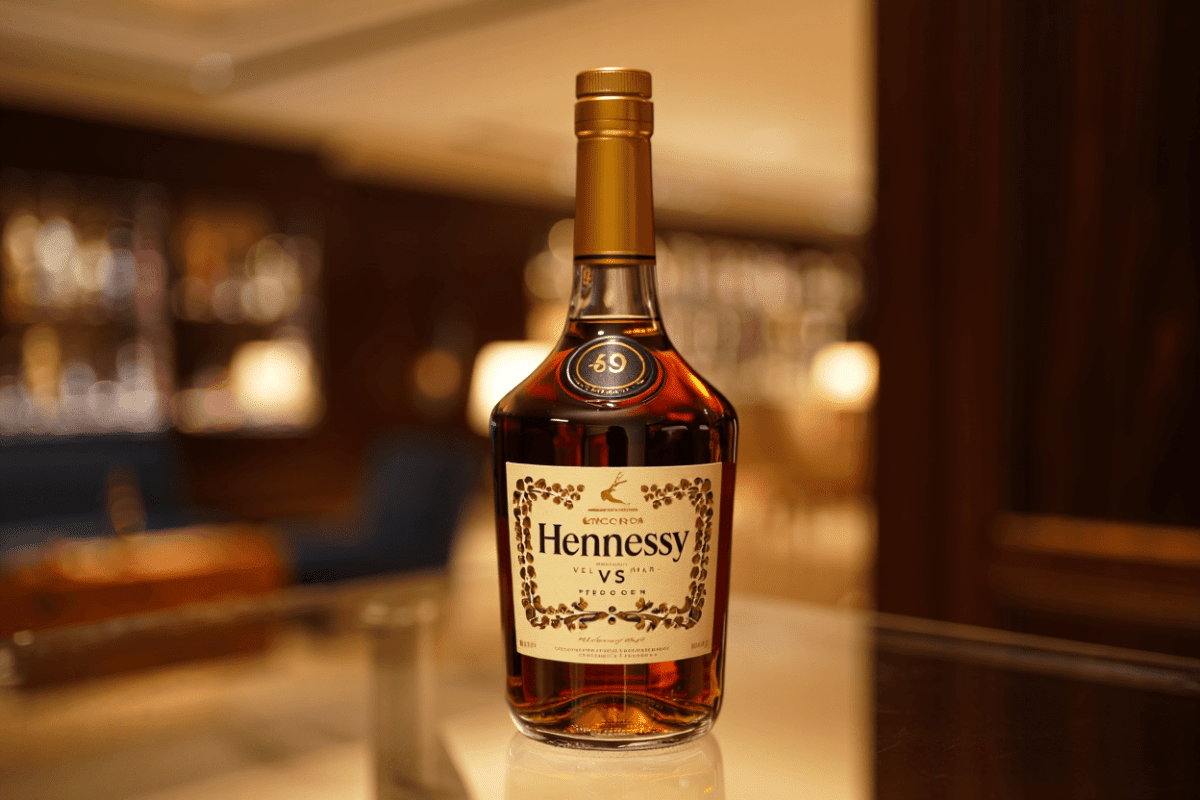
Moët Hennessy, the wine and spirits division of luxury conglomerate LVMH, posted its best quarterly sales since Q3 2022, achieving 5% organic growth in the first quarter of 2026. The rebound, which reached €1.27 billion ($1.49 billion) in revenue, signals a modest recovery in the cognac market after prolonged headwinds including tariffs, overproduction, and shifting consumer demand in key markets.
🔥 Quick Facts
- Moët Hennessy revenue reached €1.27 billion ($1.49 billion) in Q1 2026
- Organic revenue growth of 5% represents the best quarter since Q3 2022
- Chinese New Year timing and improved cognac demand drove the upswing
- LVMH overall reported 1% organic growth amid Middle East disruptions
- Luxury spirits market projected to expand at 4.9% CAGR through 2035
The Turnaround: Hennessy Bounces Back After Market Struggles
The cognac industry has faced significant headwinds over the past 24 months. Hennessy, which dominates the premium cognac segment and accounts for roughly 40% of global cognac exports, saw sales decline sharply in 2024 and early 2025 as US tariff pressures, overproduction, and softer Chinese demand weighed on revenue. The brand reported a 12% drop in spirits sales during the first nine months of 2025, with cognac singled out as the primary culprit.
Q1 2026 marks the first meaningful recovery. The timing of Chinese New Year in late January/early February 2026 provided favorable calendar effects, boosting holiday gifting and premium spirit consumption in Asia-Pacific markets. Additionally, improved inventory management across distributors and stabilizing wholesale prices helped restore confidence in the category.
Market Dynamics: Chinese New Year and Spirits Demand
The 5% organic growth reflects multiple converging factors. Champagne and wine sales within Moët Hennessy rose 5% to €663 million, indicating broad strength across the division. Hennessy cognac specifically benefited from holiday stock-up patterns in Asia, where premium spirits serve as prestige gifts and luxury status symbols. Taiwan, South Korea, and mainland China remain critical markets for French cognac premium brands.
However, the underlying context reveals fragility. LVMH’s overall Q1 2026 performance showed 1% organic growth at the corporate level—modest by historical standards—while reported growth declined 6% due to unfavorable currency exchanges and geopolitical disruptions in the Middle East. The fashion and leather goods divisions, normally LVMH’s growth engines, faced weakness, with watches and jewelry being the offset bright spot at 7% organic growth.
| Metric | Q1 2026 | Performance |
| Moët Hennessy Revenue | €1.27 billion | $1.49 billion USD |
| Organic Growth Rate | +5% | Best since Q3 2022 |
| Champagne/Wine Division | €663 million | +5% organic |
| LVMH Group (Overall) | €19.1 billion | +1% organic, -6% reported |
| Watches & Jewelry | Strongest Division | +7% organic |
“Cognac was boosted by a favorable calendar effect for Chinese New Year and improved conditions in key markets. The division’s performance reflects both seasonal strength and strategic inventory optimization across the luxury spirits sector.”
— LVMH Management, Q1 2026 Results Statement, April 13, 2026
Why This Quarter Matters for the Luxury Spirits Industry
The positive Q1 2026 results carry implications beyond Hennessy. Luxury goods analysts at Morgan Stanley and Bain & Company have signaled cautious optimism about a broader luxury market stabilization, though growth projections remain modest. The personal luxury goods market is forecast to expand just 2.5% to 3% in 2026—well below pre-pandemic rates—as consumers practice more discretionary purchasing behavior.
For LVMH, the spirits division revival is strategically important. Hennessy carries higher profit margins than many fashion items and serves as a differentiator in LVMH’s portfolio. The brand’s recovery also validates management efforts to reduce overproduction and stabilize the cognac category after the 2015-2020 growth period that bred excessive inventory.
Industry research forecasts the global luxury spirits market—valued at $65.9 billion in 2024—reaching $135.8 billion by 2034, growing at a 7.5% CAGR. Cognac specifically is projected to reach $5.6 billion by 2030, growing at a 3.0% annual rate. These projections assume continued modest expansion and successful navigation of geopolitical risks.
What Happens Next: Risks and Recovery Potential
Several variables will determine whether Moët Hennessy sustains momentum. US tariff policy remains a wild card, as threatened cognac duties could dampen American demand—a critical market for premium French spirits. Currency fluctuations, particularly weakness in the euro against the dollar, affect reported earnings despite stable underlying sales.
Additionally, Chinese consumer sentiment will be crucial. If Beijing’s economic stimulus efforts strengthen domestic demand and tourist spending recovers, Hennessy could see sustained growth in Asia-Pacific. Conversely, if global recession risks materialize, luxury discretionary spending—especially high-priced cognac bottles—could contract.
LVMH management expects second-half 2026 to reflect seasonal normalization after Q1’s Chinese New Year lift. The company is guiding for cautious growth as it manages Middle East exposure and anticipates further fashion category weakness before stabilization.
Is This the Start of a Spirits Rebound or a One-Quarter Bounce?
The Q1 2026 performance signals modest optimism but not yet sustained recovery. Hennessy achieved its best quarter in 3.5 years, but the 5% organic growth still trails historical averages of 8-10% seen during 2015-2020 expansion years. The rebound appears driven largely by favorable calendar timing and base-effect comparisons against weak Q1 2025.
Industry experts emphasize that lasting recovery requires sustained demand across geographic markets, not just Asian holiday gifting cycles. Whether Moët Hennessy can deliver positive growth in Q2, Q3, and Q4 2026—outside holiday seasons—will determine if this quarter represents inflection or anomaly.
Sources
- Drinks Intel – Moët Hennessy Q1 2026 financial results and market analysis, April 13, 2026
- The Spirits Business – LVMH spirits division Q1 2026 performance, April 14, 2026
- LVMH Official – Q1 2026 press release and financial statements, April 13, 2026
- CNBC/Reuters – LVMH Q1 earnings commentary and market implications, April 13-14, 2026
- Morgan Stanley Research – Luxury goods market forecast 2026, May 8, 2026
- Precision Business Insights – Global cognac market size and CAGR projections, 2026-2032