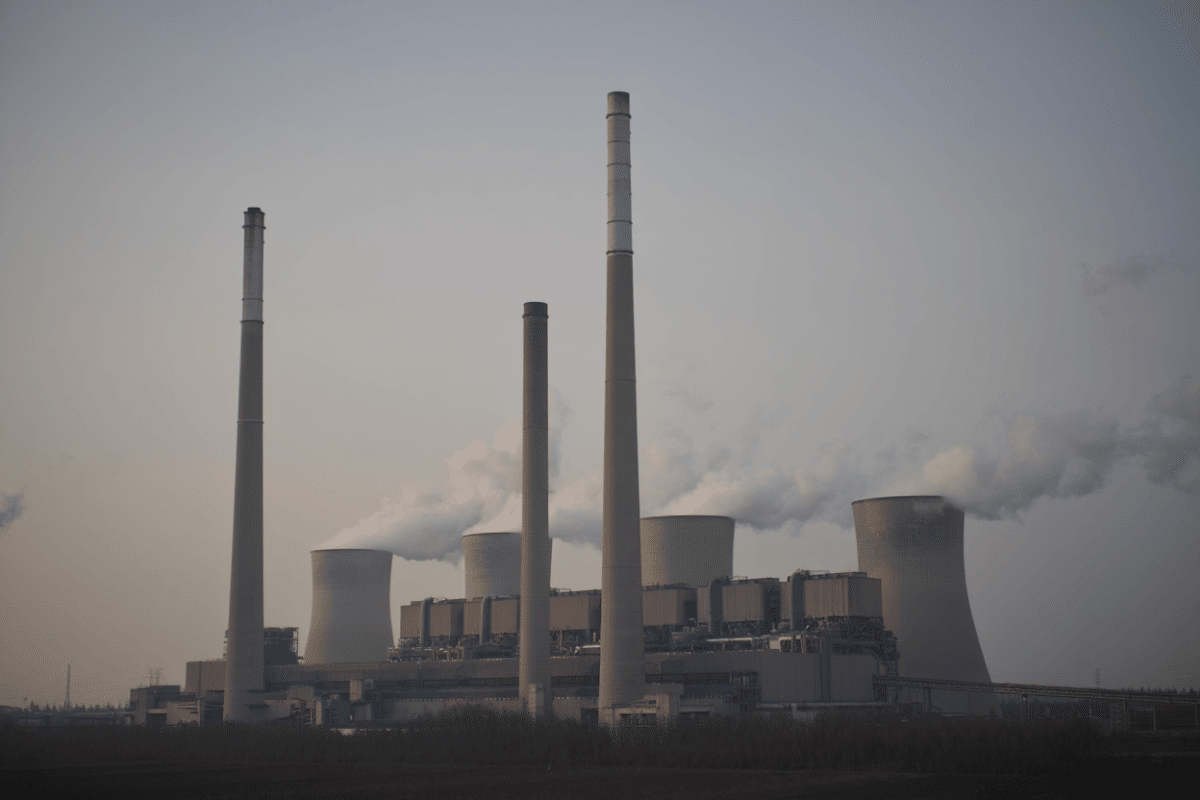
The U.S. Department of Energy issued an emergency order in December 2025 directing TransAlta Corporation to keep Unit 2 of the Centralia coal plant in Washington operating, overriding the company’s long-planned closure and extending the facility’s operation through June 14, 2026. The 730-megawatt unit was scheduled to shut down at the end of 2025 after decades of operation.
Energy Secretary Chris Wright cited grid reliability concerns in the Pacific Northwest, claiming the coal plant was essential to maintaining power stability during winter weather. However, data compiled by the Environmental Defense Fund shows the Centralia plant has not generated meaningful electricity since January 2026, despite remaining on standby under the emergency order.
The plant’s owner, TransAlta, is seeking to recover $19.9 million from ratepayers to cover the costs of keeping the facility operational during the first 90-day period. The company estimates it would need an additional $23 million in repairs if the emergency order continues beyond its current extension.
Legal Challenges Mount Over Unprecedented Use of Emergency Authority
Washington’s Attorney General, along with environmental groups including the Environmental Defense Fund, Sierra Club, and Earthjustice, have filed lawsuits challenging the order. The legal challenges argue there is no actual grid emergency and that the order violates regional energy planning requirements while imposing unjustified costs on consumers.
The Department of Energy is invoking Section 202(c) of the Federal Power Act, a rarely-used emergency authority originally designed for brief interventions in response to unexpected crises. Historically, these orders have applied only for short periods and typically at the request of regulators or plant operators. The current use represents an unprecedented shift: multiple orders, repeated extensions, and issuance without—and sometimes against—the recommendation of plant operators themselves.
The Centralia plant closure was mandated by Washington state law enacted in 2011, designed to provide residents with cleaner air. The facility had been the state’s single largest source of health-harming sulfur dioxide, nitrogen oxides, and mercury pollution. By keeping the plant on standby, the Department of Energy is also delaying its planned conversion to a natural gas-fired facility, which could create grid reliability issues in the future, according to environmental advocates.
The Trump administration has issued similar emergency orders for at least five other coal-fired power plants and one oil and gas facility since May 2025. The Campbell coal plant in Michigan, for example, costs $600,000 per day to keep open—a net cost accounting for power sales—and has accumulated $180 million in expenses since its first emergency order. These costs are ultimately borne by electricity customers across multiple states.
Sources
- Department of Energy — Emergency order issued December 16, 2025, directing TransAlta to keep Centralia Unit 2 operational; extended March 16, 2026, through June 14, 2026.
- Environmental Defense Fund — Data on Centralia plant electricity generation (zero GWh from January–early March 2026); cost recovery figures ($19.9 million for 90-day period, $23 million estimate for additional repairs); Campbell plant operating costs ($600,000 per day, $180 million cumulative).
- Washington State Attorney General — Filing challenging the emergency order on behalf of the state.
- Earthjustice, Sierra Club, and Public Interest Organizations — Multiple lawsuits filed March 2026 arguing absence of genuine emergency and violation of regional energy planning.
- Federal Power Act Section 202(c) — Legal framework for DOE emergency orders; historical precedent and current unprecedented use documented in congressional and legal analyses.