Sega cancelled its ambitious Super Game project today, marking a dramatic shift in gaming strategy. After 5 years of development and missing its March 2026 deadline, the company now pivots toward traditional premium games instead of free-to-play titles.
🔥 Quick Facts
- Super Game Cancelled: Officially scrapped in latest financial results as Sega exits free-to-play focus.
- 100 Plus Developers Reassigned: Staff moved from live service to traditional full game development immediately.
- Sonic Rumble Party Failed: Free-to-play title had “weak performance,” driving strategic shift entirely.
- New Focus: Revival games like Crazy Taxi, Jet Set Radio, and Golden Axe still in active development.
The Death of a 5-Year AAA Dream
Sega announced the Super Game project back in 2022, when CEO Haruki Satomi declared it would be an “online AAA global hit” launching by March 2026. The mysterious initiative represented the company’s bold bet on free-to-play gaming dominance. More than 100 developers worked on the ambitious title.
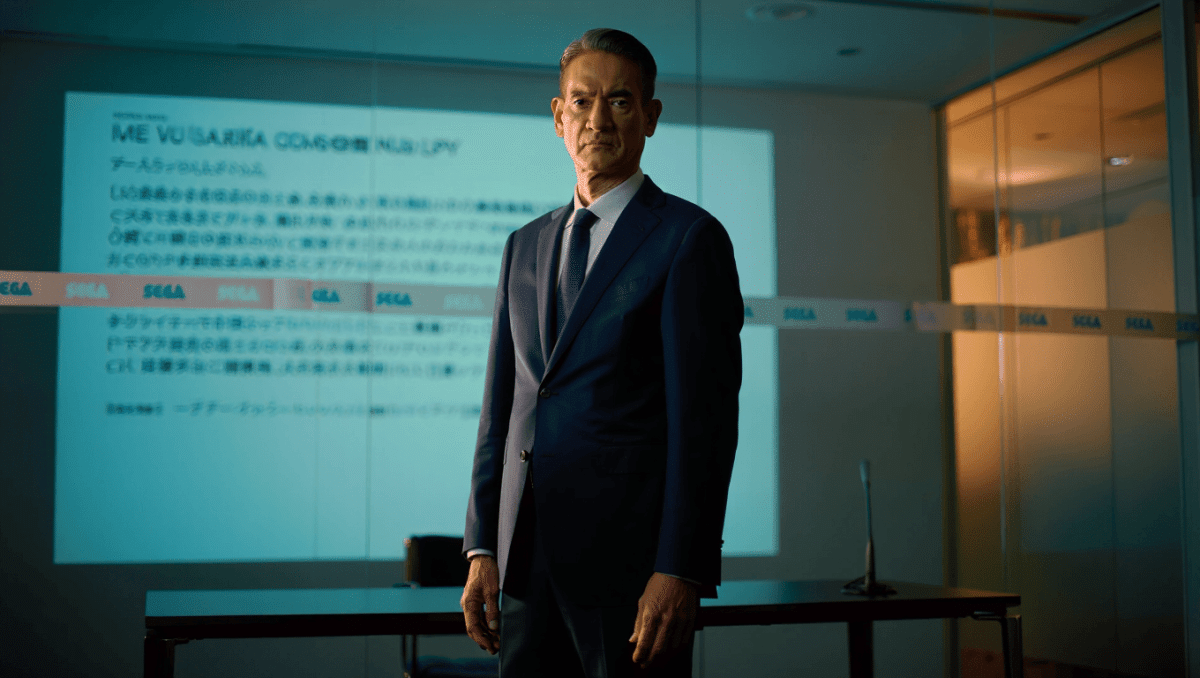
But today’s financial results tell a different story. Sega quietly confirmed the cancellation in official documents, citing weak performance across their free-to-play portfolio. The project never materialized, despite years of research and development investment. No public explanation was given, only a brief mention buried in financial slides.
Why Free-to-Play Failed Spectacularly
Sonic Rumble Party became the turning point for Sega’s entire gaming strategy. The free-to-play mobile title experienced “weak performance” despite hype and delays for improvements. Revenue fell short of expectations, forcing executives to rethink everything. Additionally, Rovio’s Angry Birds 2 revenue declined, which Sega acquired as part of its mobile gaming expansion.
Games-as-a-Service remains brutal for legacy publishers. Sega’s financial report revealed that new free-to-play releases “struggled” in fiscal year 2026. The company learned an expensive lesson: not every franchise translates to live service success, no matter the budget.
Strategic Pivot Reshapes Development Pipeline
| Initiative | Status |
| Super Game AAA Project | Cancelled |
| Free-to-Play Priority | Significantly Lowered |
| Crazy Taxi Revival | Still in Development (TBD) |
| Jet Set Radio Reboot | Still in Development (TBD) |
Sega announced it would shift over 100 developers from free-to-play projects to traditional premium game development. Classic franchise revivals now take priority, including Crazy Taxi, Jet Set Radio, Golden Axe, and Streets of Rage. These full-price games represent Sega’s new bet on quality over monetization.
What This Means for Sega’s Future
The Super Game cancellation signals a massive cultural reset at Japan’s legendary publisher. Aggressive free-to-play experimentation has ended. Sega now returns to heritage franchises that built the company’s reputation decades ago. Management believes premium experiences tied to beloved intellectual property will generate more sustainable revenue.
Investors reacted cautiously to the announcement. While the pivot shows strategic discipline, Sega missed its early 2026 revenue projections, raising questions about execution. The company’s financial results today revealed ¥428.9 billion in annual revenue, down 8.5% year-over-year.
Can Sega Execute This New Direction Successfully?
Success depends entirely on revival quality. Sega has damaged trust with failed free-to-play launches. Jet Set Radio and Crazy Taxi reboots must prove the company learned from mistakes. Competition remains fierce from Nintendo, PlayStation, and independent studios pushing innovative platformers and action games.
The Super Game cancellation represents closure on a turbulent chapter. Sega spent years chasing live service gold only to discover tradition might be more valuable. Whether classic revivals deliver commercial success will determine if this desperate pivot actually saved or merely delayed the company’s struggles.