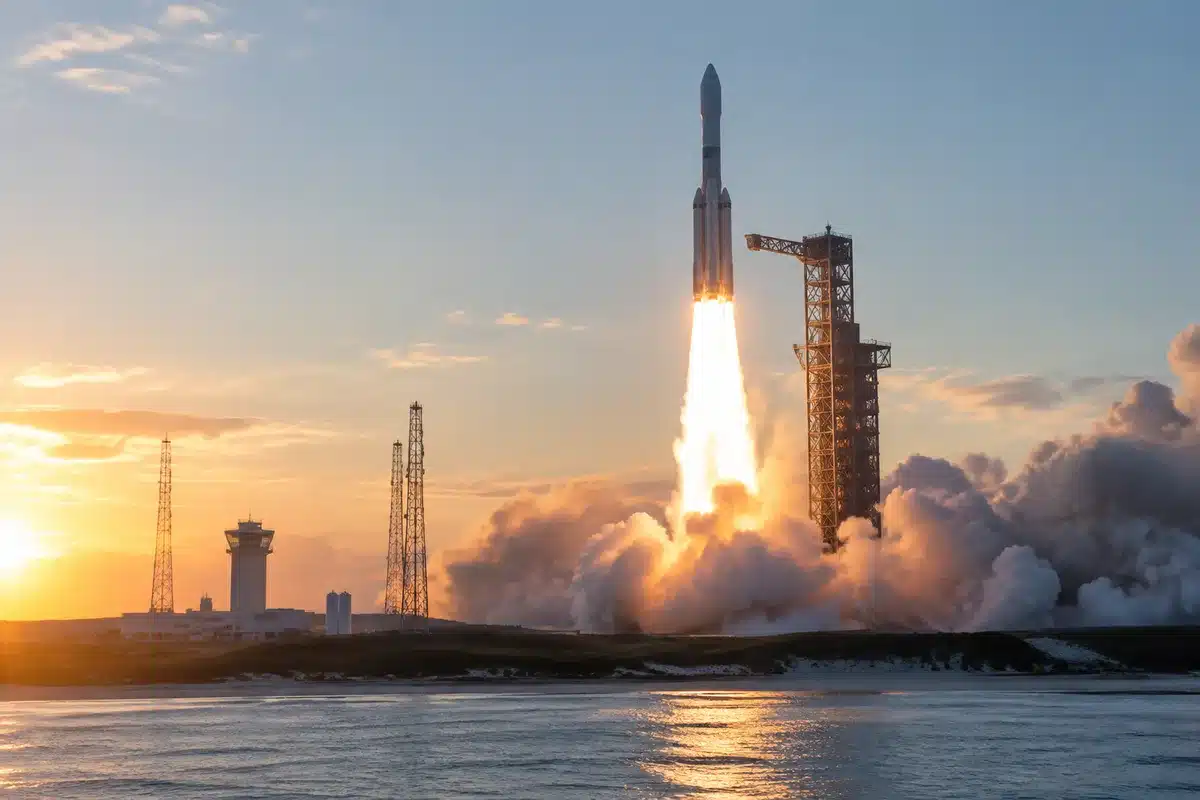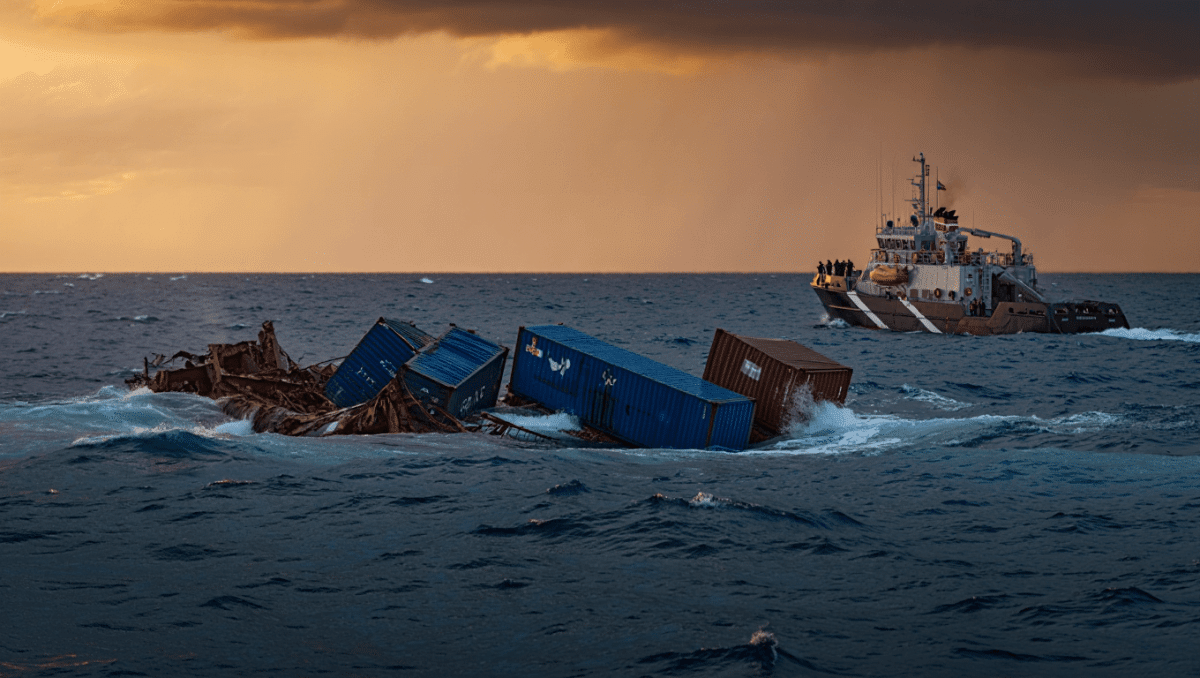
A Russian cargo ship carrying two nuclear reactors destined for North Korea has sparked an international investigation. The Ursa Major sank in the Mediterranean in late 2024, but authorities just confirmed the shocking nuclear smuggling mission earlier today.
🔥 Quick Facts
- Ship Sank: December 23-24, 2024, off Cartagena, Spain, in international waters
- Cargo Type: Two VM-4SG nuclear reactor housings designed for submarines
- Final Destination: Rason port in North Korea for naval modernization
- Operator: Oboronlogistika, a Russian state corporation sanctioned by the United States
Investigation Reveals Hidden Nuclear Cargo at Sea
Spanish investigators confirmed May 12, 2026, that the Ursa Major was transporting undeclared nuclear reactor components when it sank. Satellite imagery showed large, blue-tarped containers aboard the vessel’s stern that experts identified as VM-4SG reactor housings. The ship’s Russian captain, Igor Vladimirovich Anisimov, initially told authorities the cargo was empty containers and port equipment. Later, investigators confirmed he confessed carrying “components for two nuclear reactors.”
The Mediterranean sinking occurred under suspicious circumstances involving a series of explosions that ruptured the hull catastrophically. Fourteen crew members were rescued, but two went missing in the incident. Russian officials later attributed the sinking to “an act of terrorism,” while Spanish authorities suggested supercavitating torpedo involvement based on forensic evidence from the wreckage.
Sanctioned Russian Company Orchestrated Secret Shipment
Oboronlogistika, the state-owned defense logistics company, organized the covert operation despite U.S. sanctions targeting the organization directly. The company operated the Ursa Major as part of Russia’s “shadow fleet,” a network of vessels designed to evade international scrutiny and sanctions enforcement. The ship’s ownership and operational structure deliberately concealed its military connection.
Investigators identified the VM-4SG reactors as advanced submarine power plants used aboard Russian Delta IV-class ballistic submarines. The transfer represented a significant nuclear technology exchange between Moscow and Pyongyang during Russia’s military engagement in Ukraine, raising serious nonproliferation concerns across Western governments.
Nuclear Reactor Technology for Submarine Program
| Detail | Specifications |
| Reactor Type | VM-4SG nuclear reactor housings |
| Unit Quantity | Two complete reactor casings |
| Intended Use | North Korean submarine nuclear propulsion |
| Fuel Status | Unfueled reactor housings, no radioactive material detected |
The VM-4SG reactor represents sophisticated cold-war era technology still in active service with Russian naval forces. Spanish investigators determined the final destination was North Korea’s Rason port, a strategic naval facility supporting Pyongyang’s submarine development ambitions. The housings contained enriched uranium fuel design specifications, enabling North Korea to advance its nuclear submarine program without requiring high-level weapons-grade material aboard the vessel.
“The captain confirmed that the Ursa Major was carrying components for two nuclear reactors destined for North Korea”
— Spanish Investigators, Mediterranean Maritime Authority
Geopolitical Implications for Russia-North Korea Alliance
The nuclear smuggling attempt underscores deepening military cooperation between Moscow and Pyongyang amid international isolation. In exchange, North Korean troops have actively participated in Russia’s military operations, signaling a strategic partnership extending beyond conventional weapons. Western intelligence agencies warned that the reactor transfer would dramatically accelerate North Korea’s nuclear submarine capabilities over the next five to ten years.
The sinking prevented what analysts described as a “watershed moment” in nuclear proliferation. Had the reactors reached North Korea successfully, experts estimated the country could have fielded a nuclear-powered submarine fleet within 24 months, fundamentally altering regional power dynamics in the Pacific and challenging U.S. naval supremacy in East Asian waters permanently.
What Does This Discovery Mean for Global Nuclear Nonproliferation?
The Ursa Major investigation exposed critical gaps in international sanctions enforcement and maritime surveillance systems. The vessel operated openly under false cargo declarations while transporting materials explicitly restricted by the Nuclear Nonproliferation Treaty framework. Intelligence agencies now suspect similar smuggling operations may currently be underway across Russia’s shadow fleet network, potentially involving other sanctioned entities and different proliferation destinations.
Congressional leaders in Washington demanded immediate action targeting the entire Russian shadow fleet infrastructure. The discovery reinvigorated debate over aggressive maritime interdiction policies and enhanced screening protocols for vessels departing Russian ports. U.S. officials indicated that blocking unauthorized nuclear technology transfers would become a central focus of 2026 sanctions strategy moving forward, requiring unprecedented coordination between international partners and naval forces across the Atlantic and Pacific regions.
Sources
- CNN – Investigative report on Russian ship nuclear reactor smuggling to North Korea with Spanish investigation findings
- Global Defense Corporation – Mediterranean vessel incident analysis and cargo confirmation details
- Maritime Executive – Nuclear submarine components identification and intelligence assessment of vessel operations