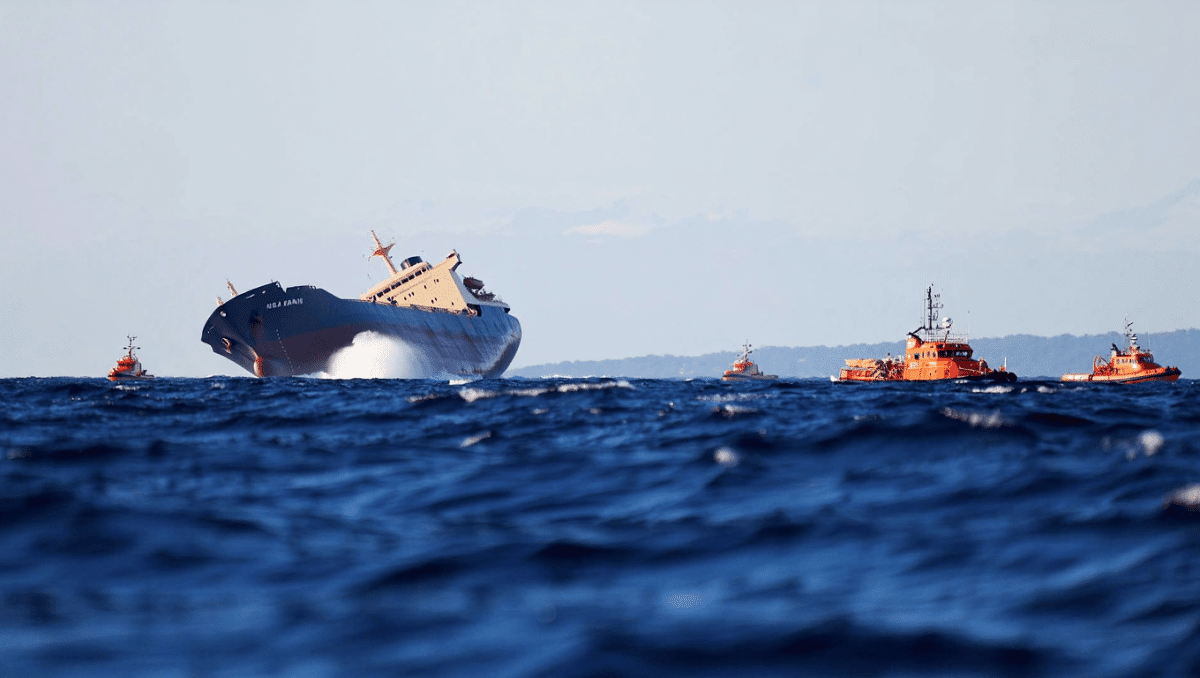
A heavily sanctioned Russian cargo ship carrying nuclear reactors destined for North Korea mysteriously sank in the Mediterranean. The Ursa Major went down on December 23-24, 2024, sparking international questions about the controversial cargo and whether sabotage was involved.
🔥 Quick Facts
- Ship Name: MV Ursa Major, Russian-flagged cargo vessel part of Russia’s shadow fleet
- When It Sank: December 23-24, 2024, after three explosions in the engine room
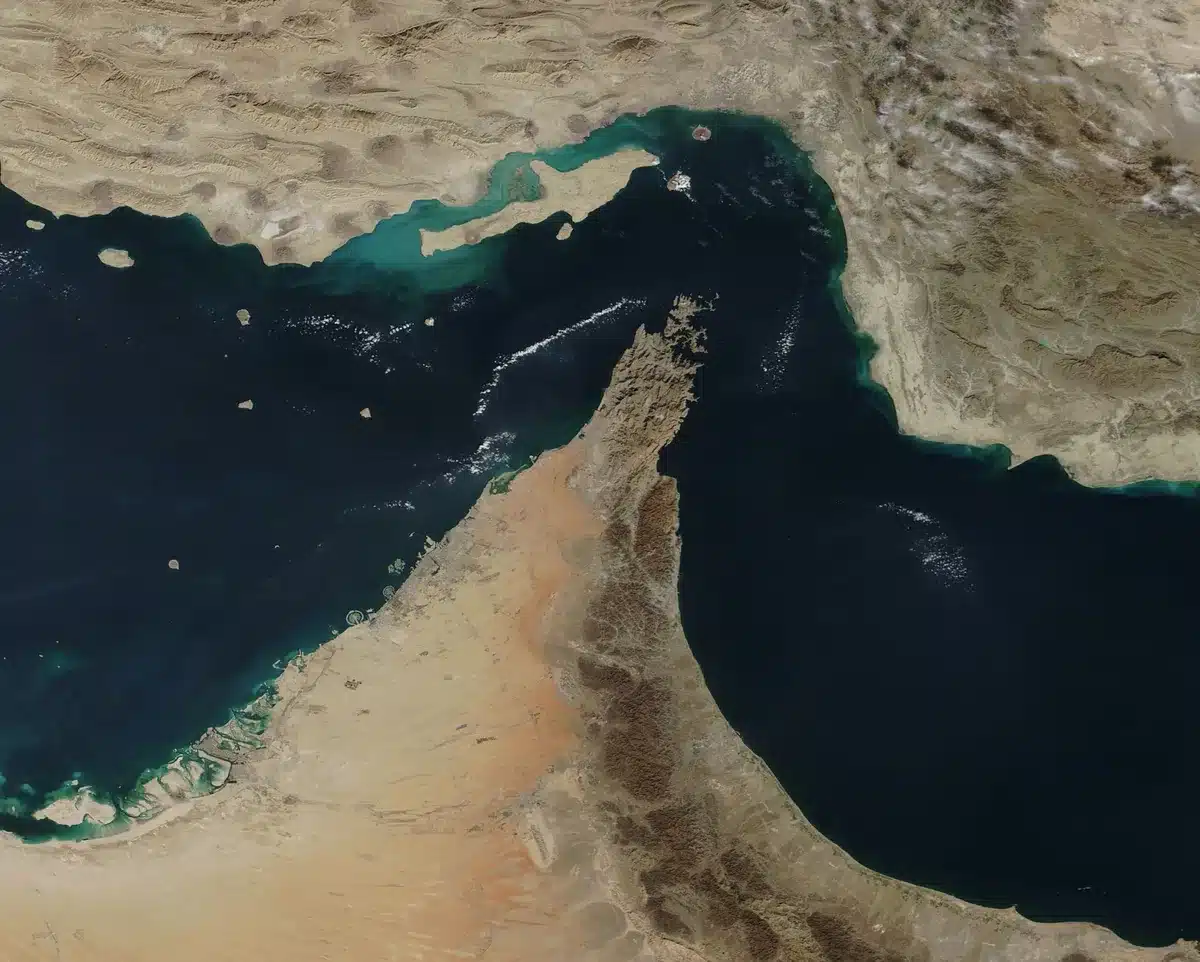
- Location: 60 nautical miles off Cartagena, Spain in the Mediterranean Sea
- Controversial Cargo: Reports indicate two nuclear reactors likely bound for North Korea via sanctions evasion
Shadow Fleet Vessel Under Heavy Sanctions
The Ursa Major was owned by Oboronlogistika, a Russian state corporation linked to military operations. The ship was part of Russia’s controversial shadow fleet, a network of aging vessels used to evade international sanctions. The vessel was explicitly listed in US sanctions databases, making it illegal for most Western entities to conduct business with it.
The ship’s registration and operations reflected a pattern of sanctions evasion tactics employed by Moscow. The vessel had been extensively used for transporting military equipment and goods while circumventing Western economic restrictions on Russia.
Three Explosions Rip Through Engine Room
The Ursa Major experienced three consecutive explosions in its engine room on the evening of December 23, 2024. Spanish maritime authorities detected seismic activity equivalent to 20-50 kilograms of TNT. Within hours, the vessel listed severely and sank completely overnight.
Spanish rescue services responded rapidly, evacuating 14 of the 16 crew members safely to the port of Cartagena. Tragically, two crew members remain missing, presumed lost in the explosions or during the rapid sinking.
Nuclear Reactors Allegedly Bound for North Korea
| Detail | Information |
| Reactor Type | VM-4SG nuclear reactor casings (submarine-grade) |
| Intended Destination | Rason Port, North Korea |
| Violation Type | UN sanctions evasion, nuclear proliferation |
| Quantity | Two reactor casings |
Western intelligence agencies and Spanish investigators believe the Ursa Major was transporting two complete nuclear reactor casings destined for North Korea’s submarine program. The cargo represented one of the most significant attempts at nuclear proliferation detected in years.
“The extraordinary fate of the Ursa Major has been shrouded in secrecy since it sank on December 23, 2024. But it may mark a rare and high-stakes intervention in efforts to prevent nuclear proliferation.”
— CNN International, May 12, 2026
Spanish Investigators Point to Torpedo Strike
Spanish maritime authorities have suggested the sinking may not have been accidental. According to analysts, the pattern of multiple explosions and the vessel’s rapid full sinking suggests external sabotage rather than mechanical failure. Spanish investigators raised the possibility of a supercavitating torpedo strike, a weapon system possessed only by Russia, China, and select NATO members.
Russian authorities initially classified the incident but later acknowledged an investigation. The Russian Navy eventually conceded in official statements that the vessel sank as a result of “an act of terrorism.” No nation has publicly claimed responsibility for any potential attack.
What Does The Sinking Mean For Russia And North Korea’s Alliance?
The loss of the Ursa Major represents a significant setback for Russian-North Korean military cooperation. The sinking cut off a critical supply route for nuclear technology transfer that bypassed Western detection systems. If the reactor casings were indeed lost in the Mediterranean, it would represent a multimillion-dollar loss and years of delayed development for Pyongyang’s submarine fleet.
The incident highlights how Western nations have intensified strategic operations against arms trafficking networks. The Ursa Major‘s fate sends a message about the risks of sanctions evasion in the era of advanced surveillance and underwater detection capabilities.
Sources
- CNN International – Breaking coverage of Russian ship sinking May 12, 2026
- BBC News – December 24, 2024 report on sanctions and vessel details
- Reuters – Verification of crew rescue details and explosion timeline