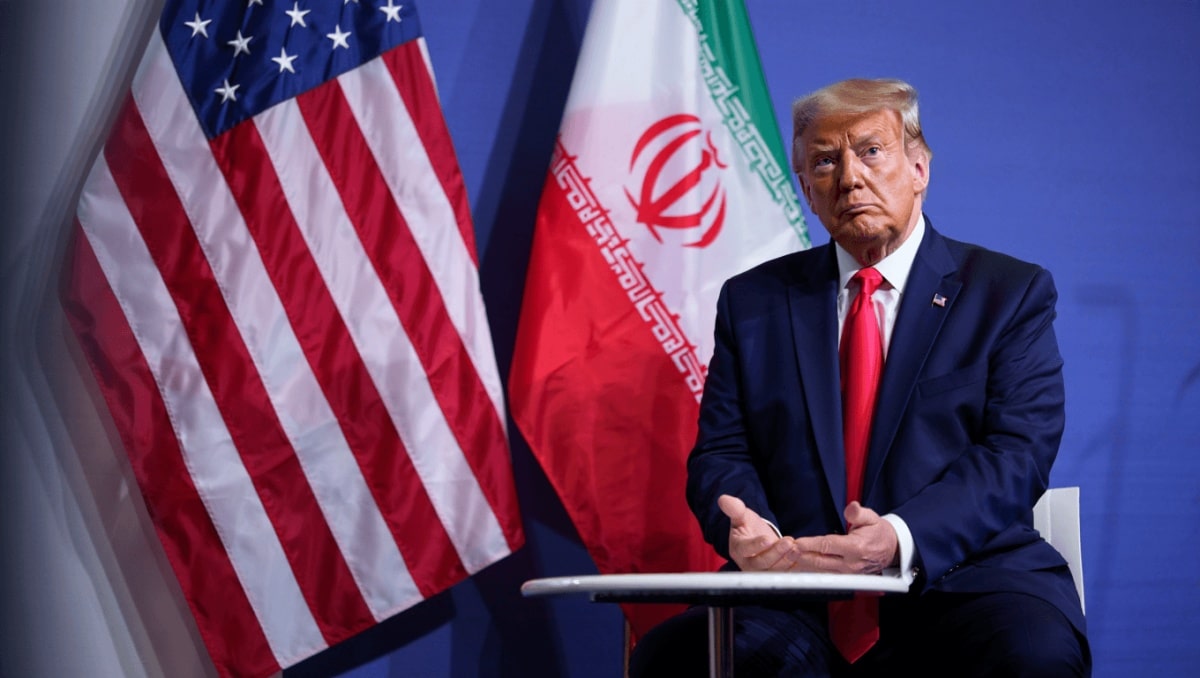
Renewed tension over Iran’s nuclear program and recent incidents in the Strait of Hormuz have pushed the issue back onto the international agenda, testing diplomatic channels that were frayed after the last US administration’s exit from the 2015 nuclear accord. The question now is how far Washington, Tehran and regional partners are willing to go to avoid a wider confrontation—and what that means for energy markets, trade routes and regional stability.
Why the debate matters now
What began as a technical discussion about nuclear limits has broad, immediate consequences. A breakdown in diplomacy could disrupt shipping through the Strait of Hormuz, invite new rounds of sanctions, and raise the prospect of military clashes that would affect civilians and businesses far beyond the Middle East.
How we got here
Negotiations that produced the 2015 agreement — widely associated with the Obama administration — placed restrictions and verification measures on Iran’s nuclear program in exchange for sanctions relief. In 2018, the Trump administration withdrew from that framework and reimposed sanctions, altering the regional balance and pushing Tehran to resume some nuclear activities that had been limited under the pact.
Since then, periodic diplomatic overtures, unilateral measures and on-the-water confrontations around the Gulf have created a pattern of escalation and restraint. Each incident now carries weight because it can shape the political calculation of capitals considering whether to return to negotiations, intensify pressure, or respond militarily.
| Area | 2015 accord | Post-2018 shift | Current situation |
|---|---|---|---|
| Diplomacy | Multilateral talks, verified limits | Unilateral pressure; reduced trust | Negotiations stalled and episodic engagement |
| Sanctions | Phased relief tied to compliance | Broad reimposition and secondary penalties | Sanctions remain leverage; uncertain relief |
| Verification | International monitoring mechanisms | Limits on access, contested data | Partial cooperation, monitoring gaps |
| Regional security | Tense but managed | Increased maritime incidents | Heightened risk to shipping and military standoffs |
Immediate implications for readers
Even if diplomacy resumes, the immediate effects are tangible and varied:
- Energy prices: disruptions or the threat of disruption in Gulf shipping tend to lift global oil and gas prices, affecting consumers and businesses.
- Trade and logistics: the Strait of Hormuz is a key transit point; added security risk can slow shipments and raise insurance costs.
- Regional security: heightened naval activity increases the danger of miscalculation, with civilian vessels sometimes caught in the crossfire.
- Policy and markets: investors and policymakers monitor diplomatic signals closely; apparent deadlock can tighten markets while credible progress can ease volatility.
What to watch next
Look for three signals that will shape short-term outcomes.
First, any formal diplomacy involving Iran, the United States or European intermediaries—especially moves that restore inspectors’ access or propose phased sanctions relief—would lower the odds of escalation.
Second, patterns of maritime activity: a spike in interdictions, seizures or near-collisions in the Gulf would increase the likelihood of a military response and further market turbulence.
Third, domestic politics in key capitals. Changes in policy posture or leadership comments can quickly shift negotiating levers or the appetite for risk.
Longer-term stakes
Beyond the immediate hazards, the situation will test whether multilateral agreements and verification regimes can be resilient to unilateral withdrawals and political swings. Restoring a durable framework would require credible guarantees, robust verification and a political bargain that survives domestic pressures in Tehran, Washington and allied capitals.
For now, the interplay between diplomacy, sanctions and on-the-water incidents will determine whether the region returns to a pattern of managed tension or drifts toward wider confrontation. That outcome will have real costs for markets, governments and civilians across multiple continents.