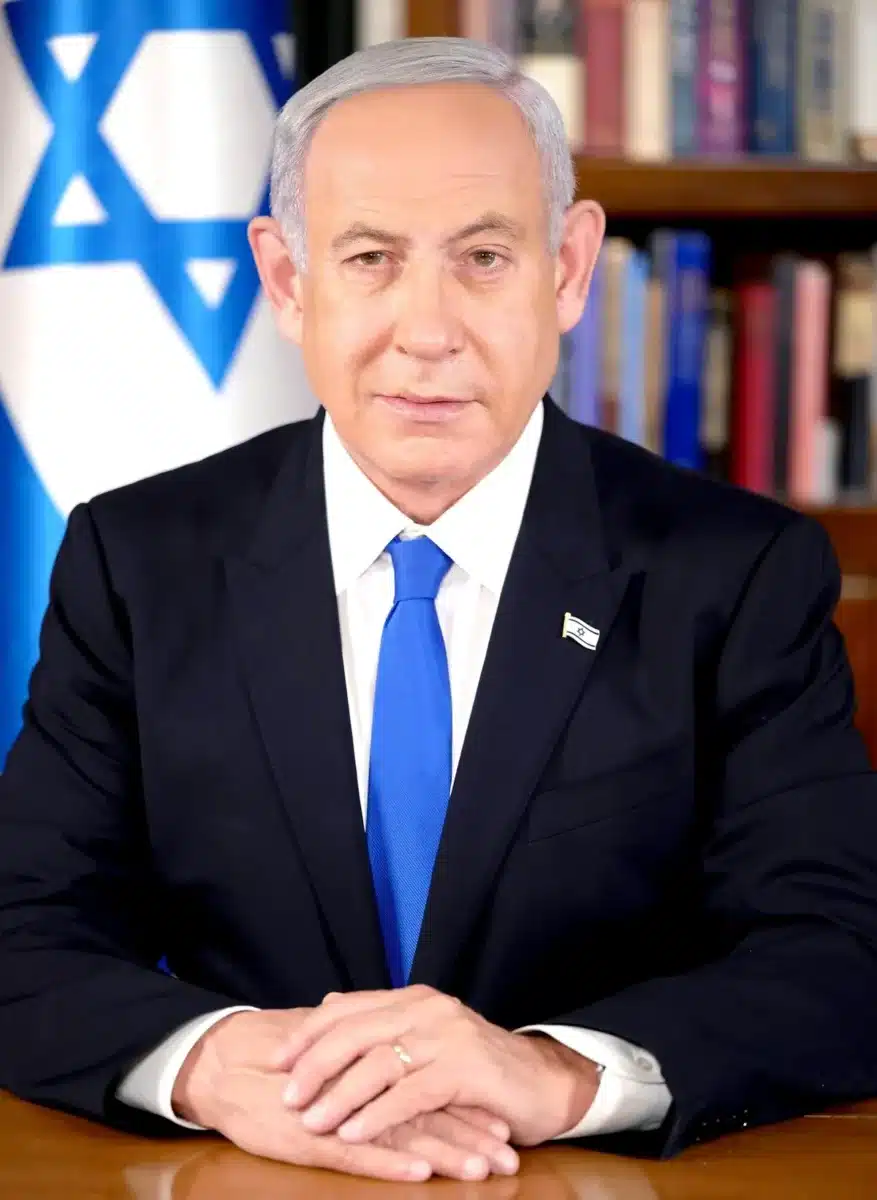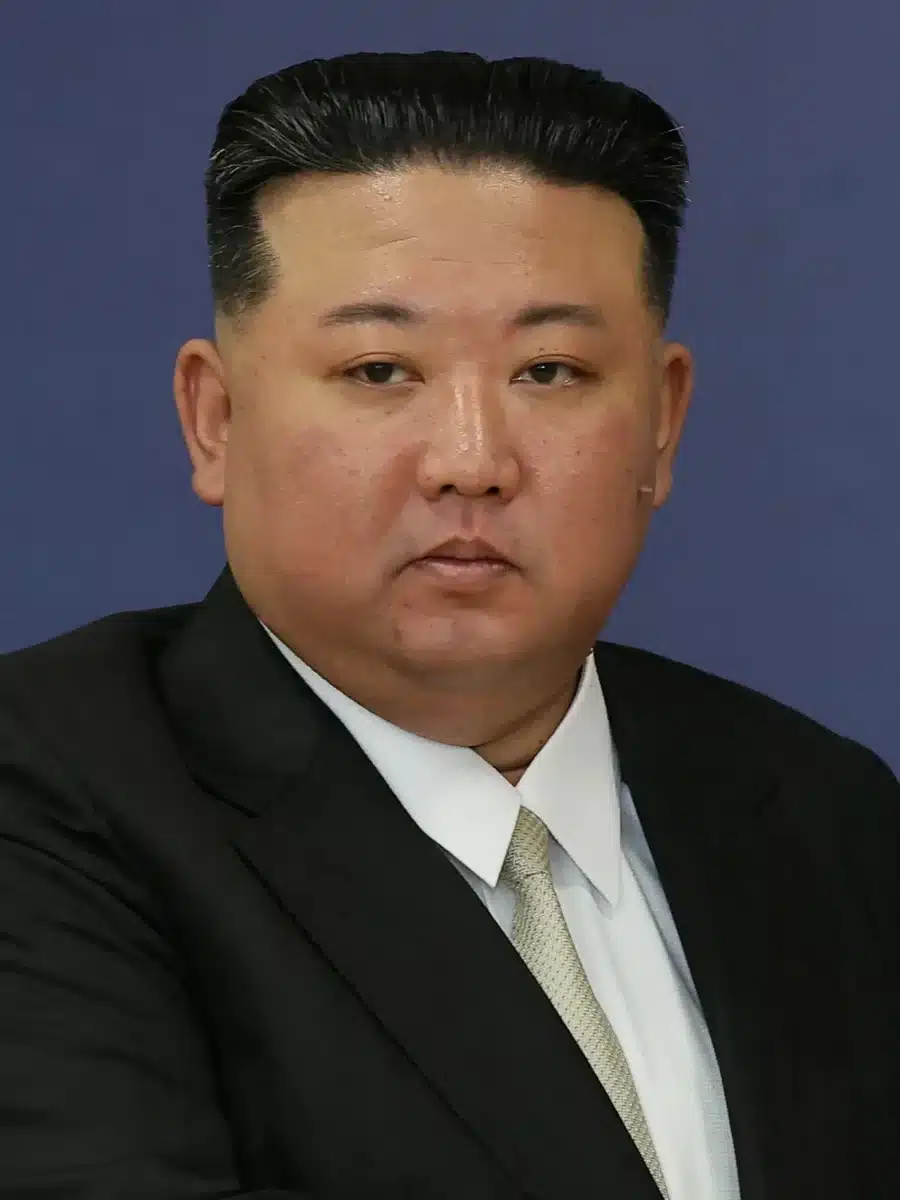
Benjamin Netanyahu is reportedly considering offering Gadi Eisenkot a rotating premiership, with Netanyahu willing to serve second, as Israel’s coalition talks face a December 6 deadline.
The Times of Israel, citing Israeli media reports, said the proposal may have been conveyed through unofficial channels. Opinions within Netanyahu’s circle were divided, and Eisenkot remained skeptical while preparing to form a government.

Coalition arithmetic and the deadline
Neither bloc won a majority in the October 27 election, according to Al Jazeera. Eisenkot’s camp won 48 seats in the 120-seat Knesset, while Netanyahu’s traditional alliance secured 53.
Eisenkot has until December 6 to form a government, with a possible 14-day extension, Al Jazeera and Reuters reported. He has signed agreements with the Democrats and Israel Beiteinu, but those parties together hold 36 seats, still below the 61 required for a majority.
Reuters reported that negotiations have been difficult because potential partners disagree over whether to include Arab-led parties, ultra-Orthodox factions, or Likud in a unity government. The election’s inconclusive result has left Eisenkot weighing arrangements that require compromises among his prospective partners.
The reported rotation proposal comes amid competing approaches to a unity deal. Eisenkot said Likud had not put forward a concrete proposal during two weeks of talks, while Likud accused him of seeking to form a “dangerous left-wing government,” Al Jazeera reported.

How a rotating premiership can work
A rotation is not without precedent in Israel. In 2020, Benjamin Netanyahu and Benny Gantz agreed to a rotation arrangement in which Netanyahu would serve first and Gantz would later take over, according to the Israel Democracy Institute.
That arrangement involved more than a scheduled handover. The institute’s Dr. Assaf Shapira described a structure with two blocs, shared authority and veto powers, with a designated prime minister set to assume the role on a predetermined date.
The current reports do not specify the proposed timing, division of powers or terms of any Netanyahu-Eisenkot agreement. The Times of Israel reported that Eisenkot had pledged not to join a unity government without approval from his coalition partners.
The outlet also reported that Eisenkot’s bloc holds 48 seats even with Naftali Bennett’s party, leaving it short of a majority. The possible rotation is therefore one reported element in wider coalition negotiations, not a confirmed agreement or a settled path to a government.
Readers following the electoral contest can also see this earlier report on Eisenkot’s challenge to Netanyahu and the coverage of the election’s deadlock.
Sources
- The Times of Israel — reported proposal, internal divisions, Eisenkot’s response and coalition positions.
- Al Jazeera — election seat counts, deadline and public accounts of the negotiations.
- Reuters — coalition talks, party agreements and the available extension.
- Israel Democracy Institute — background on Israel’s 2020 rotation mechanism.