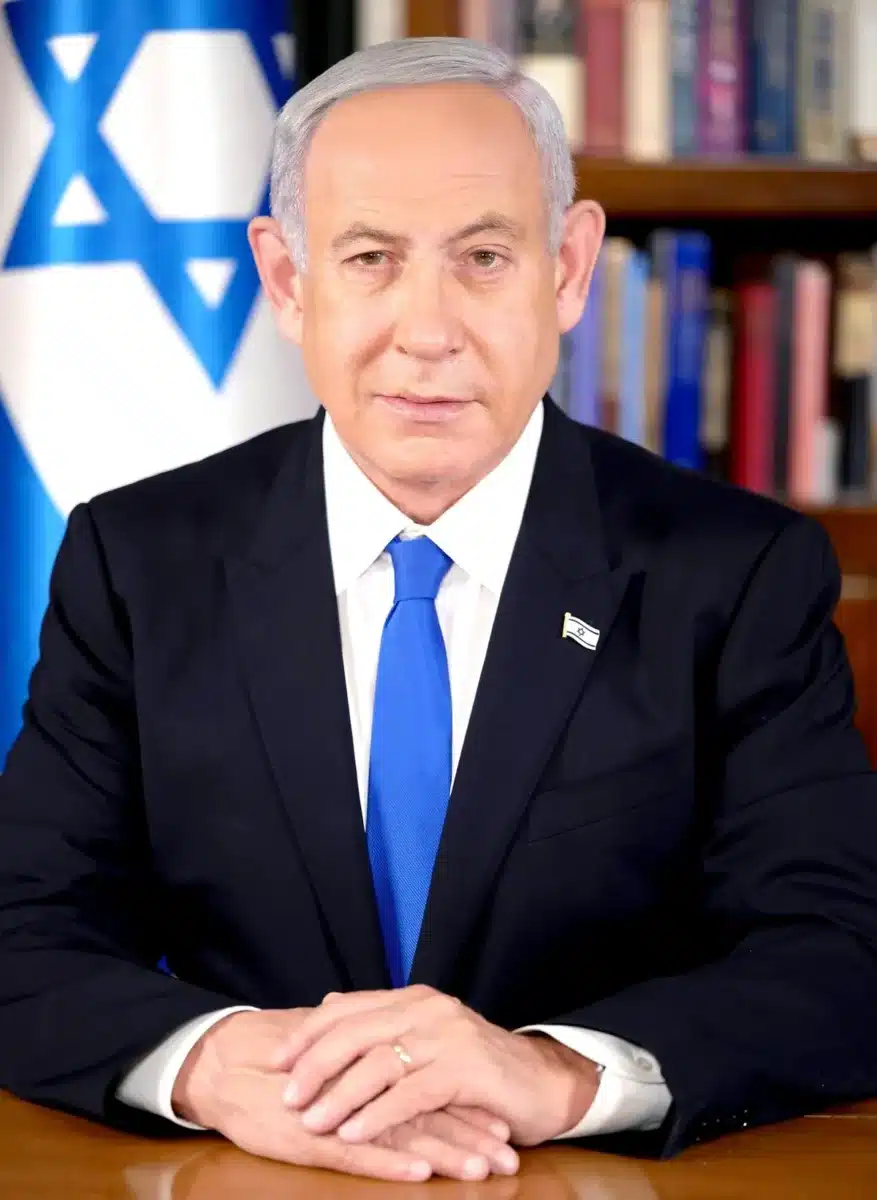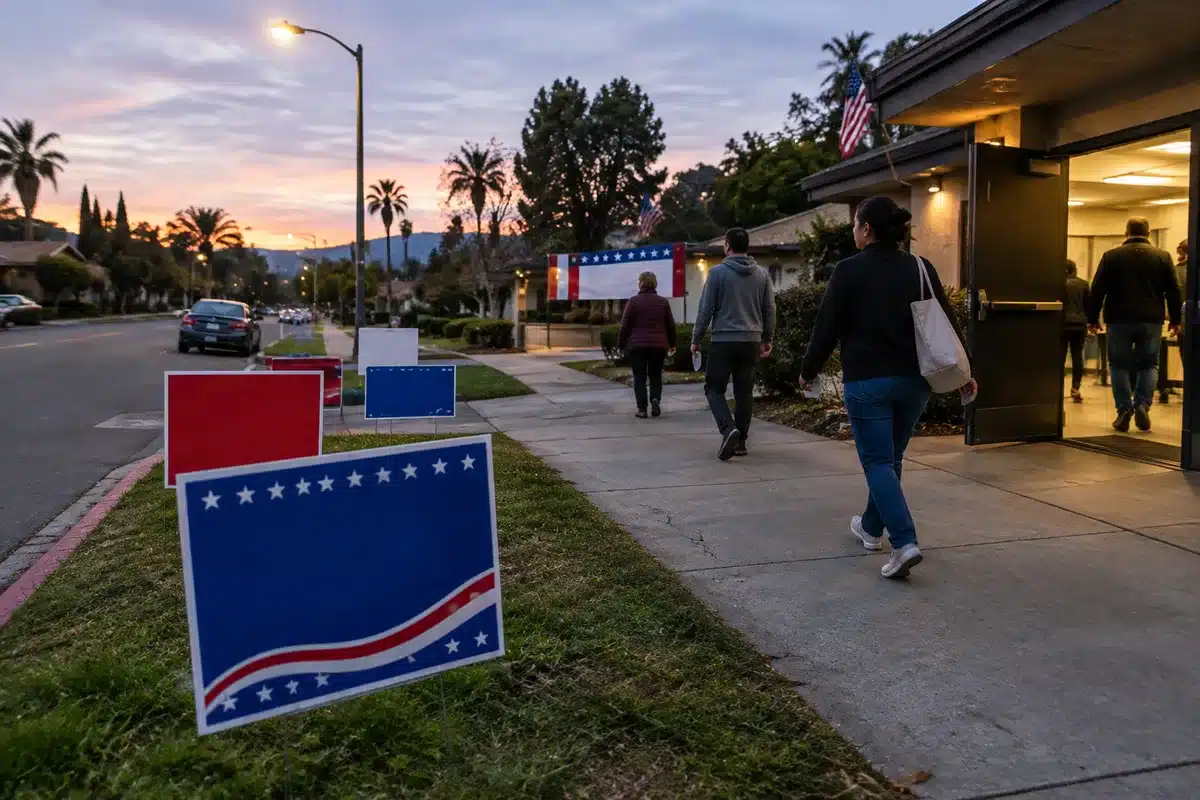
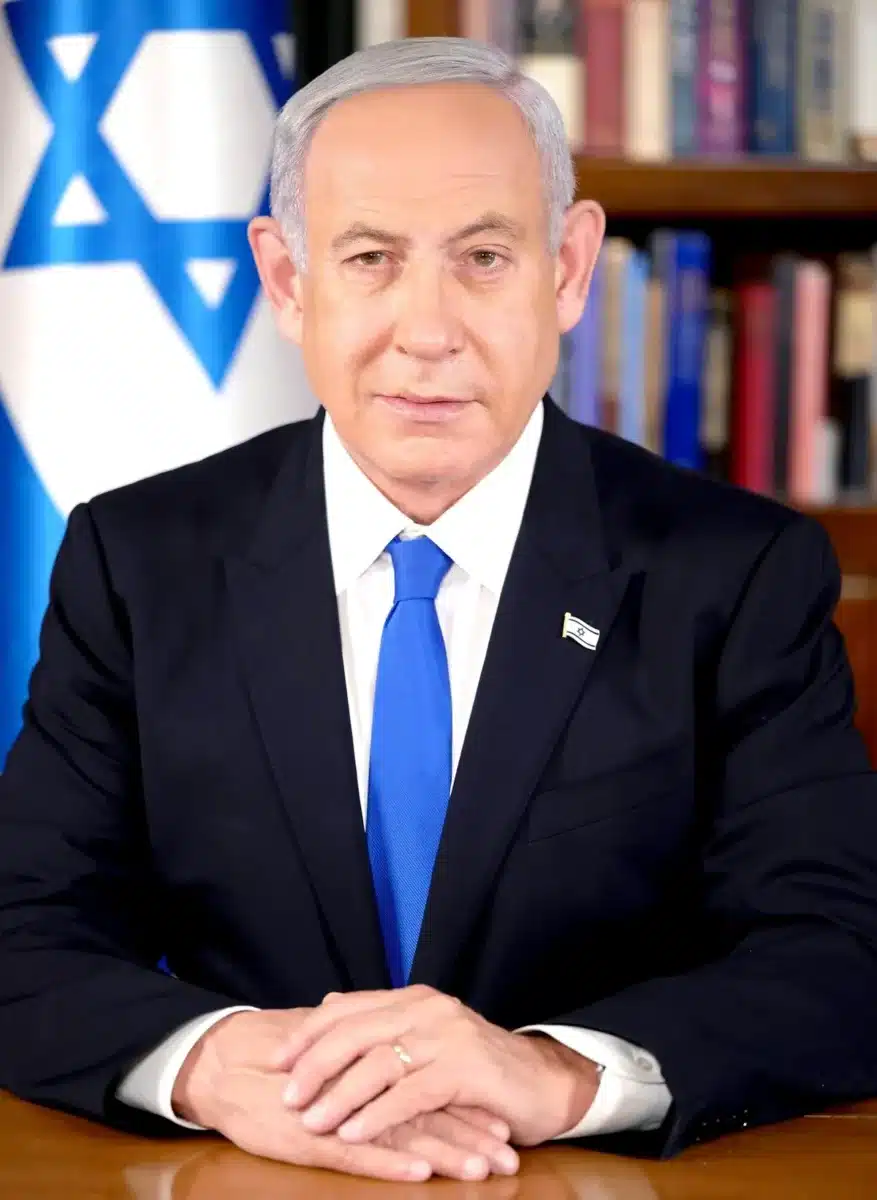
Exit polls from Israel’s Oct. 28 vote show neither Benjamin Netanyahu’s bloc nor Gadi Eisenkot’s opposition on course to secure the 61-seat majority needed to form a government, Israeli broadcasters’ projections reported as counting continued.
Those exit polls, which were widely reported in international media, left both camps short: Reuters said with 48.4% of ballots tallied Netanyahu’s bloc was projected at 55 seats and Eisenkot’s bloc at 50, with about 15 seats going to Arab parties — a distribution that would leave neither side with a clear path to a majority.

Israel’s Central Elections Committee was still tallying votes and Reuters cautioned the projections would change as more ballots were counted; the agency also reported that voter turnout was 77.7%, the highest in over two decades.
International outlets reporting the exit polls noted that both Netanyahu and Eisenkot offered competing claims after polls closed: Reuters described Netanyahu calling for a “strong, right-wing national government,” while Eisenkot said voters had rejected Netanyahu, remarks carried in live coverage by CNN.
The exit-poll picture matters because Israel’s 120-seat Knesset requires 61 seats for a majority, and smaller parties can become kingmakers in coalition talks; Reuters noted that far-right religious parties were projected to take a combined 13 seats within Netanyahu’s camp, complicating coalition math.

With neither bloc reaching 61 in early projections, Reuters reported the result could leave Netanyahu serving as a caretaker prime minister during protracted coalition negotiations or until another election is held. The same story said the Israeli shekel weakened modestly on the indecisive outcome.
What comes next: coalition talks and counting
Both Reuters and CNN stressed that official results depend on the Central Elections Committee’s tallies and that final seat distribution can shift as late-arriving ballots and overseas votes are counted.
Reuters reported that both Netanyahu and Eisenkot have ruled out relying on Arab parties to form a government, which narrows possible coalition combinations and increases the likelihood of extended negotiation or a repeat election if no viable majority emerges.
Analysts cited by international coverage emphasized that Israel’s fragmented party system often produces post-election bargaining that can take weeks; international outlets are monitoring whether centrist or smaller lists will join either camp and which parties might act as kingmakers.
The keyword ‘israeli elections exit polls’ has drawn wide attention in global coverage as analysts parse which blocs, parties and turnout patterns will shape coalition possibilities.
Sources
- Reuters — exit-poll seat projections, turnout figure, quotes from Netanyahu and Eisenkot and commentary on coalition math.
- CNN — live coverage and reporting that exit polls showed no clear winner and cited competing claims by the two leaders.