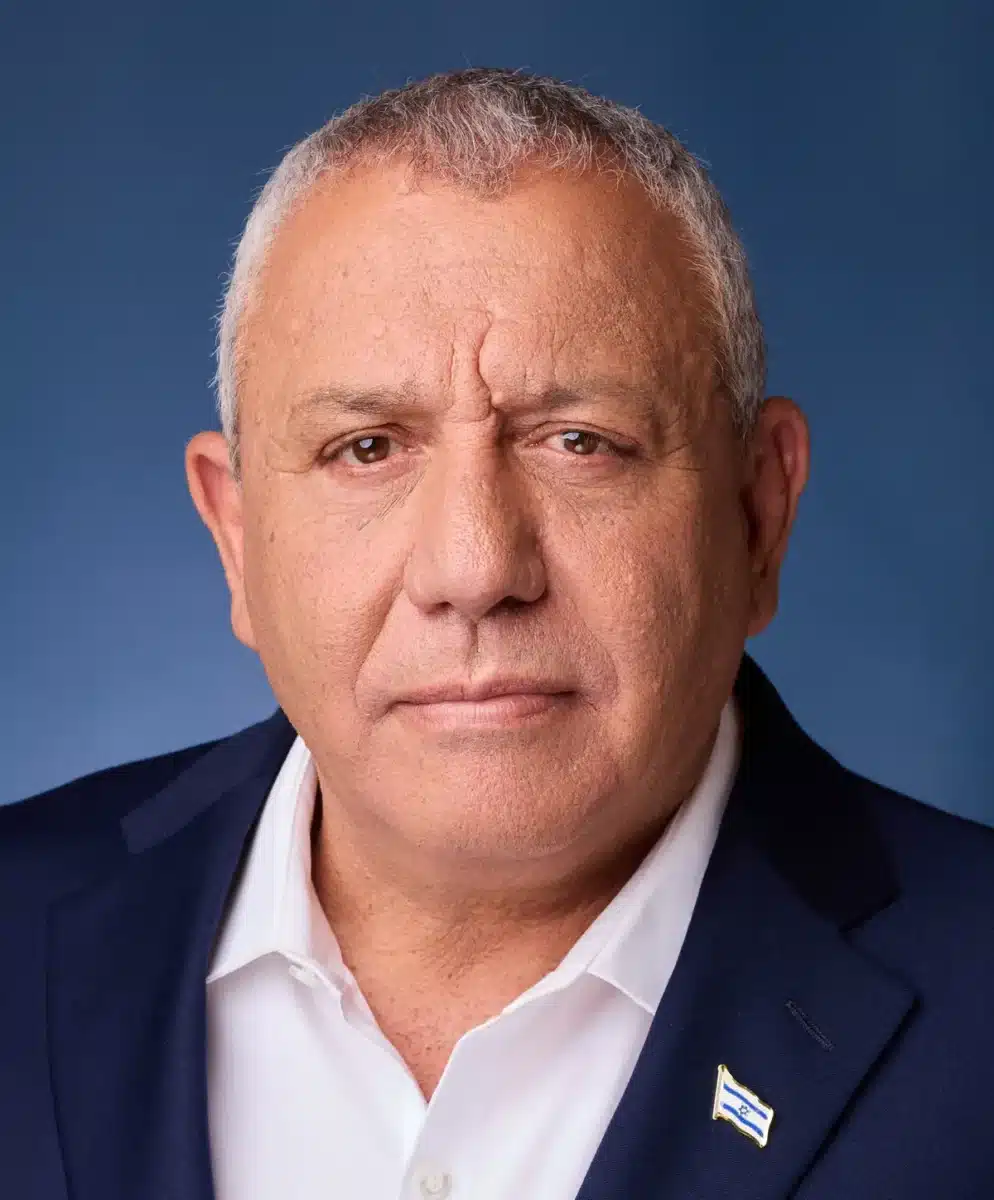
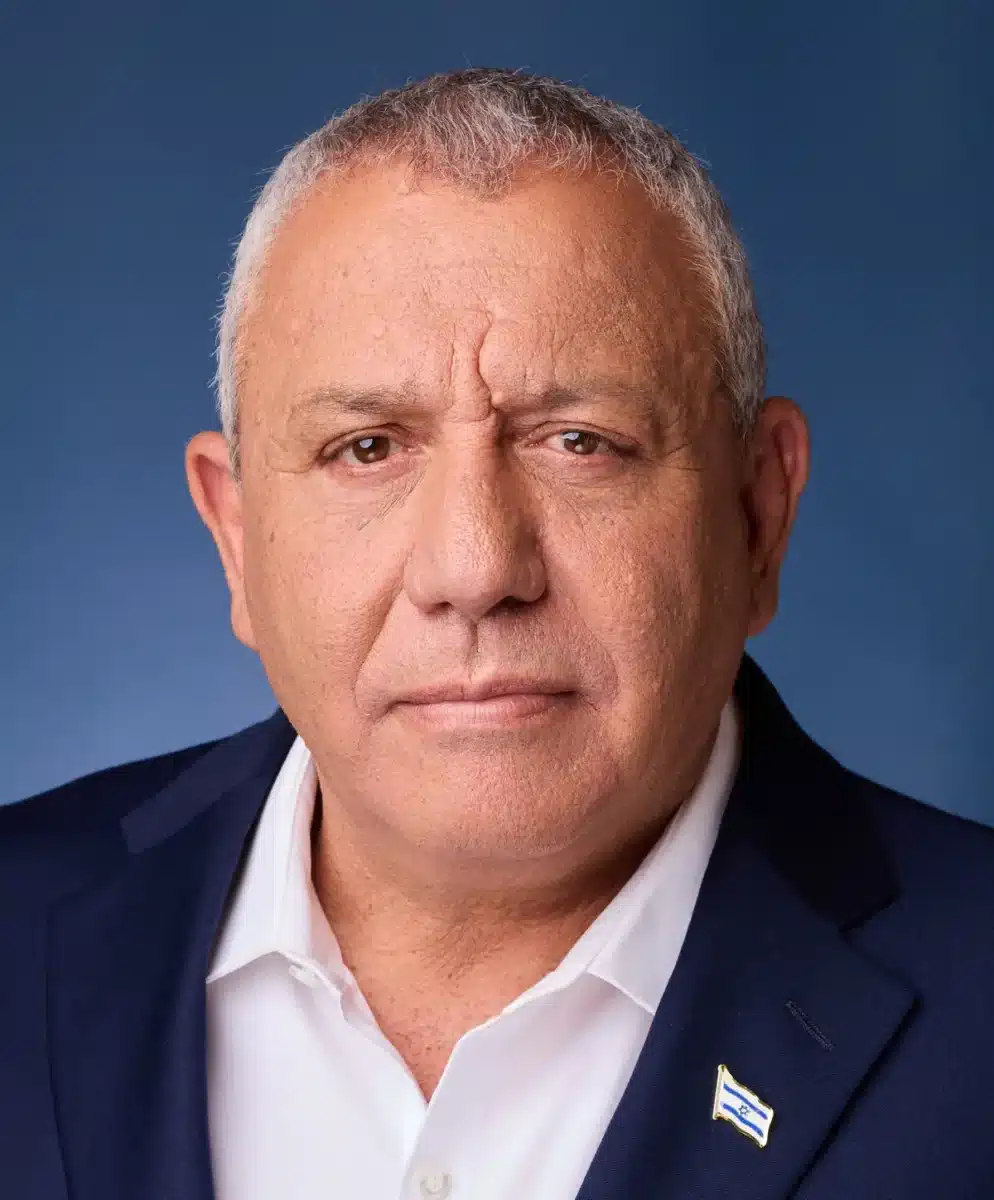
Gadi Eisenkot has emerged as the leading challenger to Prime Minister Benjamin Netanyahu ahead of Israel’s October 27 parliamentary election, with his Yashar party topping polls, Reuters and CNN report.
Former Israel Defence Forces chief Gadi Eisenkot founded the Yashar party after leaving the military and has pitched himself as a security-focused alternative to Netanyahu, Reuters reported on October 23. The story says Eisenkot opposes Palestinian statehood while calling for the destruction or dismantling of Hamas’s military wing.
CNN’s feature profile published October 24 described Eisenkot as a reserved, media-shy figure whose military credentials and personal losses — Reuters noted a son and two nephews were killed fighting in Gaza — have shaped his campaign appeal.
Eisenkot has positioned Yashar as a break from Netanyahu’s far-right partners while keeping hawkish security positions that appeal to many voters, Reuters reported. Opinion polls referenced by Reuters show Yashar leading Netanyahu’s Likud, though Israel’s fragmented party system means neither leader is guaranteed to form a government.

The election timetable matters: Israeli voters will cast ballots on October 27, 2026, the first national vote since the October 7, 2023 attacks that reshaped security politics in Israel, Reuters notes. Eisenkot joined Netanyahu’s wartime cabinet as an observer after 2023 but later quit, saying the government failed to meet its goals for defeating Hamas.
On policy, both Reuters and CNN report Eisenkot opposes a two-state solution as a formal policy, telling Channel 7 that “two states for two peoples is a mistake,” and that Israel must keep overriding security responsibility between the Jordan River and the sea, according to Reuters.
That mix of hawkish security messaging and criticism of Netanyahu’s handling of the war is a central campaign thread, Reuters says, and CNN adds that Eisenkot’s Moroccan-Mizrahi background and austere public style have broadened his appeal in some constituencies.

How the race could play out
Analysts Reuters quoted say Israel’s proportional system and the number of parties mean a poll lead does not guarantee victory; coalitions will decide who forms a government. Reuters reported Eisenkot has said he will not partner with parties representing Arab Israelis because he believes they do not accept his core principles, which could complicate coalition-building.
Campaign dynamics include debates, negotiation with other Zionist parties, and pressure from international allies over settlement policy, Reuters and CNN both report. Reuters notes Eisenkot favors settlement that serves national interest and has criticised outposts established without state approval.
The immediate consequence of Yashar polling first, Reuters says, is a likely period of intense post-election horse-trading where smaller parties and centrist blocs could determine whether Netanyahu or Eisenkot leads the next government.
Sources
- Reuters — reported Yashar leading polls, Eisenkot’s policy positions, biography, and election timing.
- CNN — profile of Eisenkot, campaign style, and context on his emergence as Netanyahu’s challenger.
Related reading: Israeli prime minister Benjamin Netanyahu denounces Iran, sparks walkouts at U.N. in and Benjamin Netanyahu draws walkouts in New York during U.N. speech.