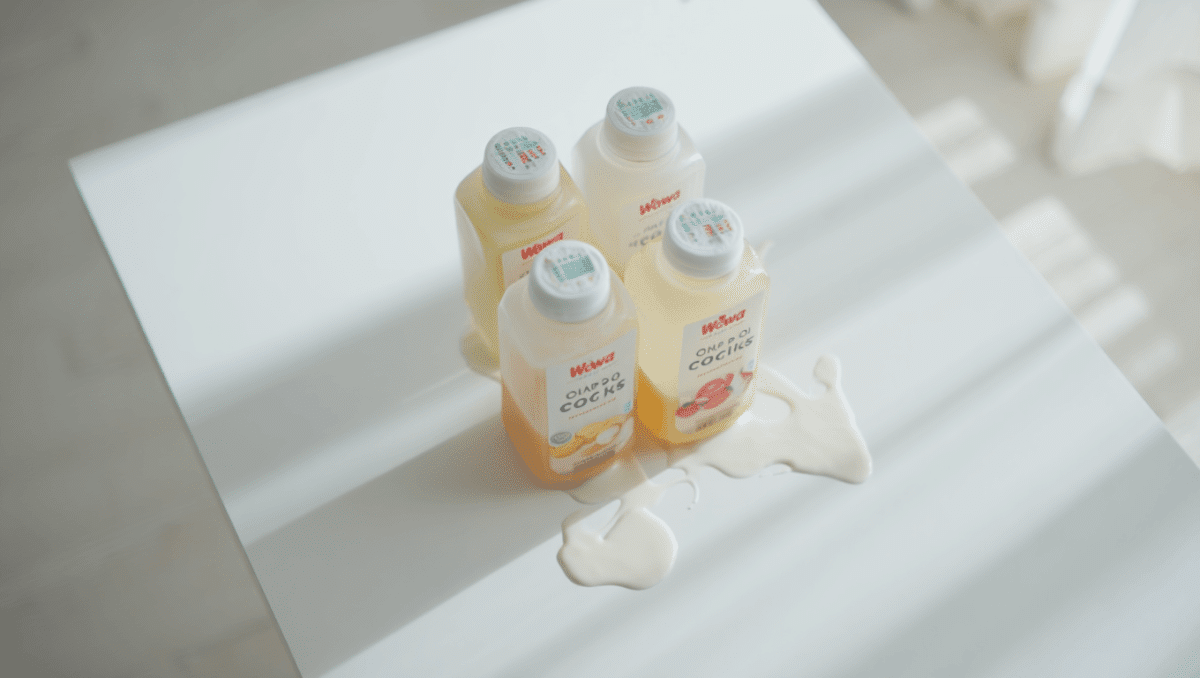
Wawa has issued a recall for four bottled drinks sold across five states after a temporary equipment problem may have introduced milk into beverages that are not labeled to contain it. The move is significant for anyone with a milk allergy — a small manufacturing mistake can produce serious health risks for susceptible shoppers.
The company says the contamination resulted from a temporary equipment issue at a production or filling line, and that milk residue may have entered drinks that do not list milk on their ingredient panels. Wawa notified retailers and customers after identifying the potential cross-contact.
Why this matters now
Undeclared allergens are a leading cause of food recalls because they can trigger severe reactions in people with allergies. Even trace amounts of milk can provoke hives, breathing difficulties, or anaphylaxis in sensitive individuals. The recall spans multiple outlets, increasing the chance of exposure for customers who purchase bottled beverages from Wawa locations in the affected region.
What consumers should do
- Stop consuming any of the recalled bottled drinks immediately if you suspect they were purchased from a Wawa in the affected area.
- Check product packaging for ingredient lists, UPCs, lot codes or best-by dates and compare them with any official recall notices posted by Wawa or regulators.
- Return or discard the product and contact the store for a refund or further instructions.
- If you or someone in your household develops symptoms of an allergic reaction after consuming the product, seek medical help right away.
- For more details, consult Wawa’s customer service or public recall postings from food safety authorities for updates and lists of affected items.
People with lactose intolerance are not typically at risk of the same immune reactions as those with a milk allergy, but anyone unsure about their sensitivity should err on the side of caution.
How these incidents usually occur
Temporary equipment problems range from incomplete cleaning between runs to valves or piping that allow residue transfer between products. Retailers and manufacturers generally respond by halting production, tracing affected lots and issuing recalls to limit consumer exposure.
Regulators require clear labeling of major allergens, and recalls for undeclared ingredients underline the importance of manufacturing controls. For now, consumers with milk allergies should treat the recalled bottled drinks as potentially hazardous until Wawa or health authorities publish a full list of affected codes and dates.
If you purchased bottled drinks recently from Wawa and have concerns, review your packaging, keep an eye out for official updates, and contact your healthcare provider if you experience any symptoms after consumption.