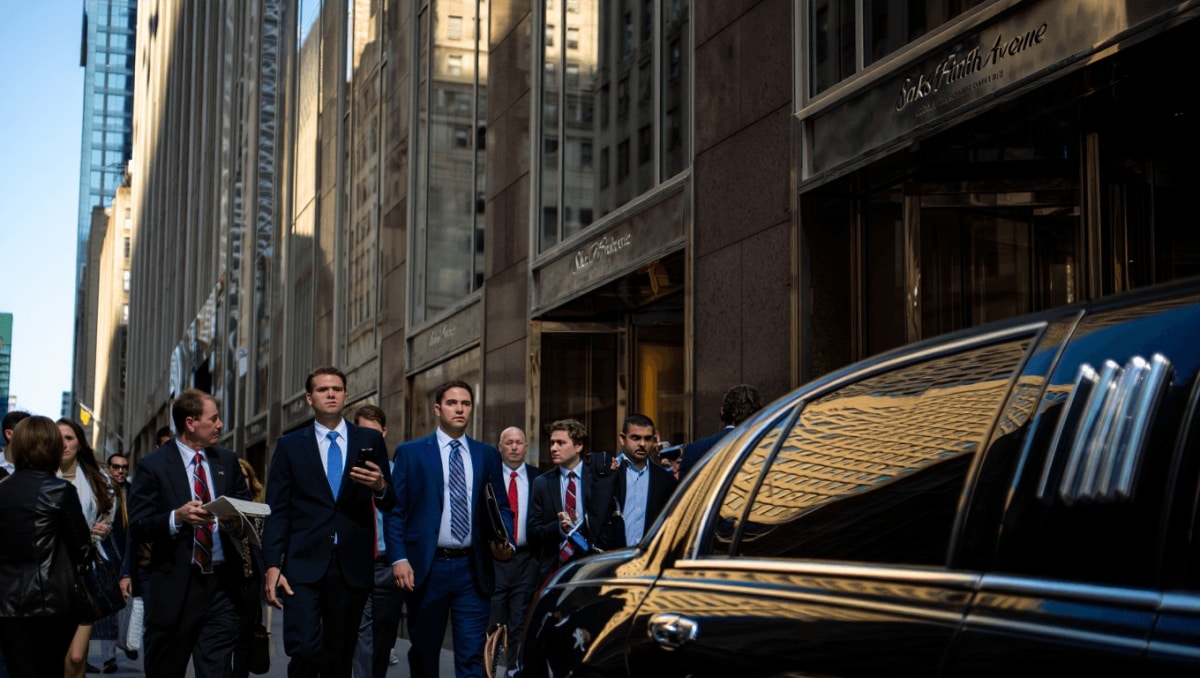
Saks Global’s restructuring moved forward this week after its capital backers pledged fresh financing that could help the luxury retail group leave bankruptcy by summer — a development with immediate consequences for suppliers, stores and investors. The commitment arrives as the company works to repair inventory flow and finalize a reorganization plan it expects to file in the coming weeks.
New financing raises chances of a summer exit
The parent company of Saks Fifth Avenue, Neiman Marcus and Bergdorf Goodman said a group of its lenders and investors agreed to provide $500 million once the restructuring is complete. Company leaders say that funding commitment is a key milestone in moving the business out of Chapter 11 protection and stabilizing operations.
The chain entered bankruptcy earlier this year after missing a December interest payment and carrying roughly $3.4 billion of debt following a roughly $2.7 billion purchase of Neiman Marcus. Management now expects to emerge from bankruptcy this summer, contingent on finalizing its reorganization plan with financial stakeholders.
Operational signs of recovery — but risks remain
Executives report that inventory has begun to recover: more than 650 brand partners have resumed shipments, a shift that the company credits with rising customer engagement on its platforms. The group also secured access last month to an additional $300 million from its available bankruptcy financing, part of a larger $1.75 billion package intended to preserve liquidity during restructuring.
Still, the retailer has announced store closures as part of cost-cutting and portfolio realignment. Recent plans include the shutdown of a dozen Saks Fifth Avenue locations and three Neiman Marcus stores, and earlier in the year the group said it would close 62 off-price sites, including Saks Off 5th and remaining Neiman Marcus Last Call outlets.
What executives are focusing on now
Company leadership says the reorganization will emphasize stronger relationships with brand partners, tighter merchandising and a more personalized in-store experience across its three luxury banners. Management frames the financing agreement as a sign of partner confidence in that strategy.
- Financing pledge: Capital partners committed to provide $500 million post-emergence.
- Bankruptcy status: Filed for Chapter 11 in January after missing a $100 million interest payment in December.
- Debt load: Carries about $3.4 billion of liabilities following the Neiman Marcus acquisition.
- Liquidity measures: Gained access to an extra $300 million from its existing funding package.
- Store changes: Planned closures at select full-price and off-price locations to reduce costs.
The company says bondholders have approved a five-year business plan, a development that may smooth negotiations toward a confirmed restructuring agreement. Officials caution, however, that the final timetable depends on continued cooperation from creditors and the court.
For customers and suppliers, the immediate implications are practical: improved stock availability if shipments continue, but a smaller physical footprint as underperforming stores close. For investors, the new financing reduces near-term default risk while leaving important questions about long-term profitability and brand strategy.
Executives expect to file the formal reorganization plan shortly and aim to implement the restructuring steps that would allow the company to resume normal operations by summer. Until then, stakeholders will be watching inventory flows, creditor negotiations and any further operational changes announced by management.