The covid test landscape includes molecular NAATs such as PCR and faster antigen (rapid) tests, and the CDC says you may choose either depending on need and availability.
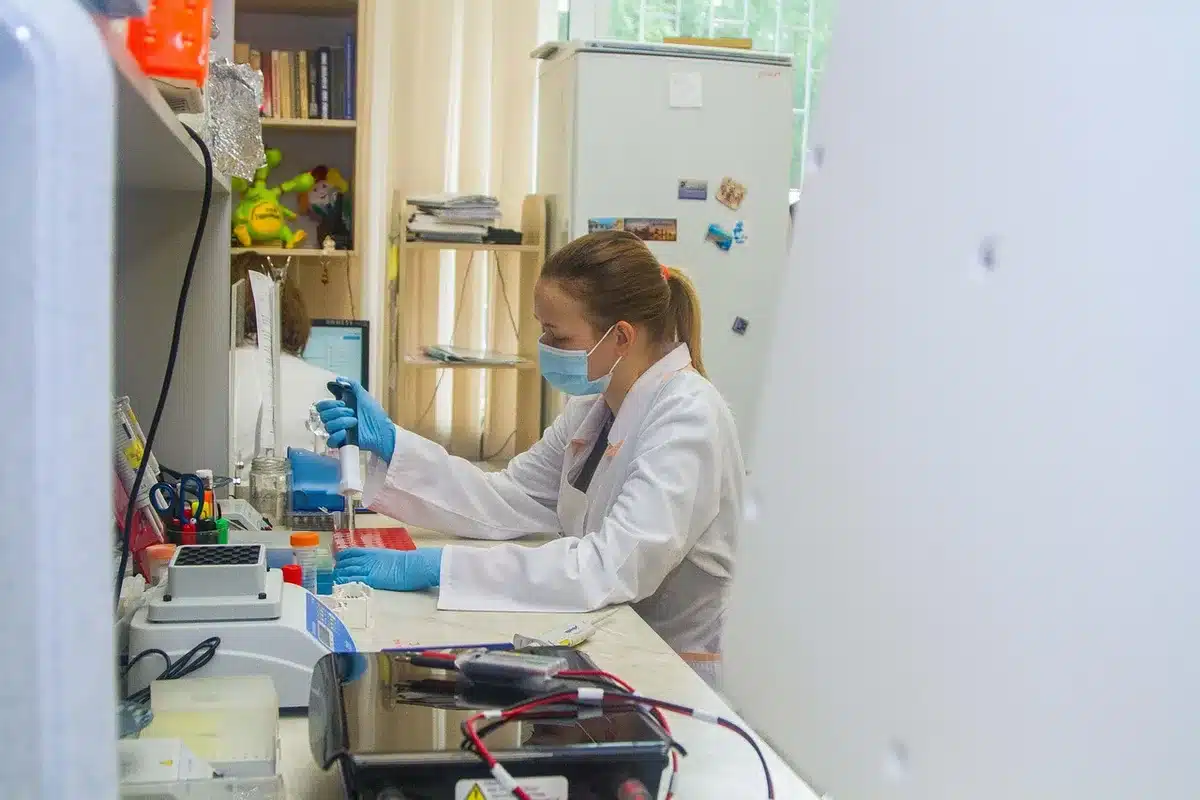
Molecular tests, including PCR and other nucleic acid amplification tests (NAATs), generally have higher sensitivity than antigen tests, the CDC notes; antigen tests are quicker but less sensitive and are commonly used for screening or at-home checks.
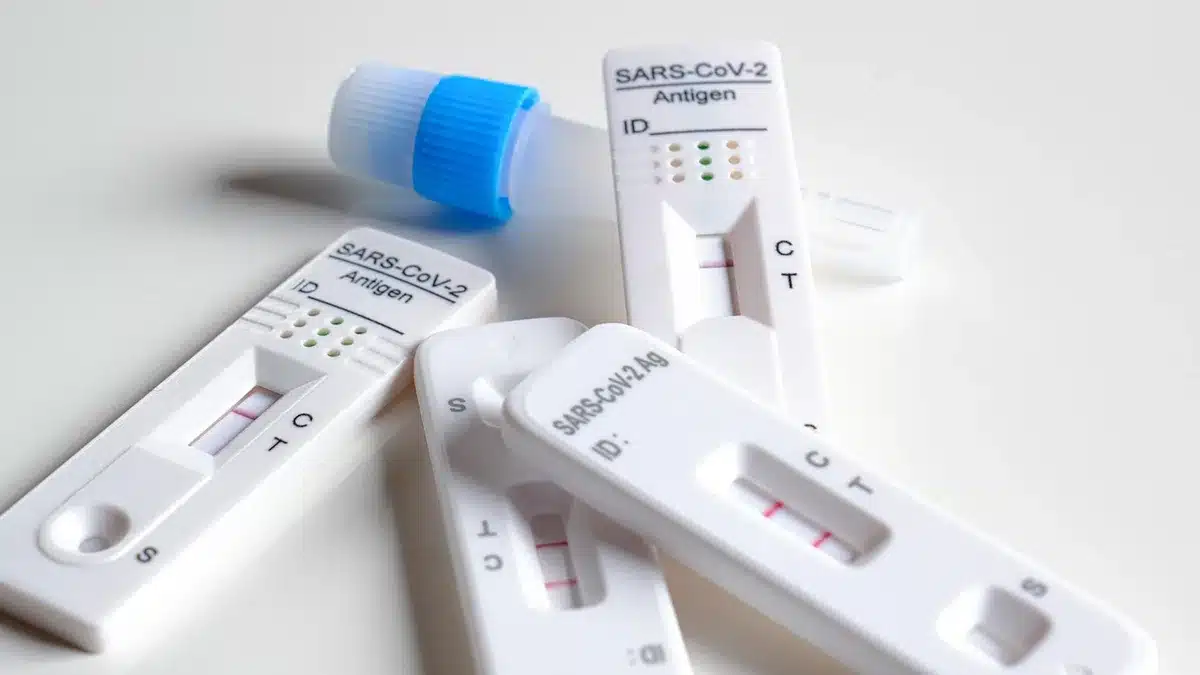
The FDA maintains a list of at-home over-the-counter (OTC) COVID-19 diagnostic tests authorized for self-testing, and it recommends repeating a negative antigen test according to product instructions to improve accuracy.
Timing matters: the CDC recommends testing soon after symptoms begin and says some NAATs can detect infection earlier and remain positive longer than antigen tests, which are most likely to detect infectiousness when viral levels are high.
For people without symptoms, CDC guidance notes repeating antigen tests—typically up to three times every 48 hours in some contexts—can reduce false negatives; for higher-sensitivity results, a clinician-ordered NAAT is the option public health sites list.
Reporting rules have changed: CDC guidance for point-of-care testing says negative results from non-NAAT tests are no longer required to be reported, a shift that affects how official case counts reflect at-home testing.
When to use which covid test depends on purpose: choose a PCR/NAAT if you need a more sensitive diagnostic result or confirm a negative antigen test in a high-risk setting; use an antigen test for quick screening, immediate isolation decisions, or routine workplace checks.
If you test positive on an antigen test, the FDA and CDC guidance treat a positive rapid result as an indication of infection; if you test negative but have symptoms or recent exposure, follow-up testing and short-term repeat antigen testing or a NAAT can be appropriate.
Sources
- Centers for Disease Control and Prevention — guidance that you may choose a NAAT (including PCR) or antigen test, that molecular tests have higher sensitivity, recommendations on timing and repeat antigen testing, and that reporting negative non-NAAT results is no longer required (cdc.gov/testing; cdc.gov/point-of-care-testing).
- U.S. Food and Drug Administration — list of FDA-authorized at-home OTC COVID-19 diagnostic tests and recommendation to repeat a negative antigen test per product guidance (fda.gov/at-home-tests; fda.gov/faqs).