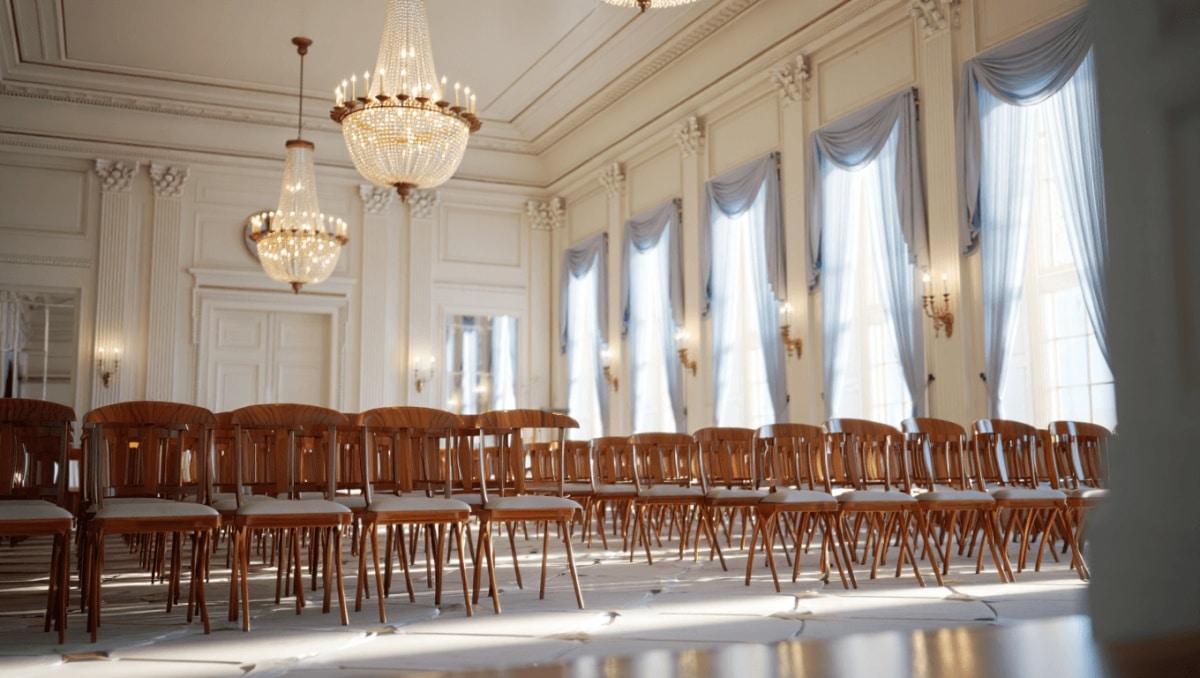
A new architectural rendering showing a proposed ballroom in the White House’s East Wing emerged on Feb. 14, 2026, reigniting debate over preservation, cost and the executive residence’s public image. The image — released as part of a set of designs for renovations to the presidential complex — matters now because it frames decisions that could affect taxpayer spending, historic fabric and how visitors experience the grounds for years to come.
The rendering depicts a formal, light-filled space attached to the East Wing, a part of the White House complex that traditionally houses offices, the social secretary’s staff and visitor checkpoints. Administration officials describe the designs as preliminary visuals intended to inform planning, not as a final proposal. Still, the illustration has already prompted questions from preservation experts, lawmakers and political observers.
Why the picture matters
At its core, the controversy is practical as well as symbolic. Renovating or repurposing space inside the White House complex involves balancing three competing priorities: maintaining historical integrity, meeting modern functional needs, and navigating federal oversight and budgeting rules.
Architects and preservationists often point out that the White House is both a working office and an internationally recognized historic site. Any change, even in a wing more frequently modified than the historic residence itself, can set precedents for how the executive mansion evolves in future administrations.
For lawmakers and watchdogs, the rendering raises routine but consequential questions: How will the work be funded? Which agencies will review and permit the changes? And what safeguards will be put in place to protect both the building and public dollars?
Reactions so far
Responses have been mixed. Some former White House staffers and architects note that the East Wing has been altered repeatedly across administrations and that functional upgrades are sometimes necessary to support events and security requirements.
Other voices — including historic preservation advocates — have expressed concern that adding a new grand room could compromise the site’s architectural coherence. Those critics emphasize careful study and broad consultation before any costly construction begins.
Several members of Congress said they want more information. Committees with jurisdiction over the federal budget and historic properties are likely to ask for detailed cost estimates and a clear explanation of the project’s purpose if formal plans move forward.
- Budget scrutiny: Any significant renovation could require supplemental funding or reallocation of existing maintenance budgets, triggering oversight from appropriations committees.
- Preservation review: Historic-site experts typically press for environmental and architectural assessments to ensure changes do not damage original fabric.
- Public access and programming: Altering the East Wing could change how public tours, official receptions and media events are staged.
What the next steps could look like
If the administration decides to pursue the project, the process generally follows a predictable path: more detailed architectural plans, cost estimates, and coordination with federal reviewers. That would open a period of public and congressional briefings and, potentially, hearings.
Officials will also need to explain how the work fits into long-term maintenance plans for the White House complex and whether any interim disruptions — such as closures for tours or event schedule changes — will be required.
Wider implications
Beyond dollars and design, the debate touches on how the White House chooses to present itself. A new ballroom would be a visible statement about the priorities of the presidency: whether to invest in ceremonial spaces, expand capacity for state functions, or channel resources into less conspicuous infrastructure improvements.
That question often cuts across partisan lines. For some, an updated ceremonial space could aid diplomacy and public events. For others, it may seem an unnecessary indulgence while other federal needs compete for funding.
Whatever path emerges, the rendering has already done what images often do in public life: it focused attention and accelerated scrutiny. Expect a steady stream of questions from preservationists, budget analysts and lawmakers as plans — if any — take shape.
For now, the image remains an early step in a process that will require technical studies, transparent budgeting and oversight before any construction begins.