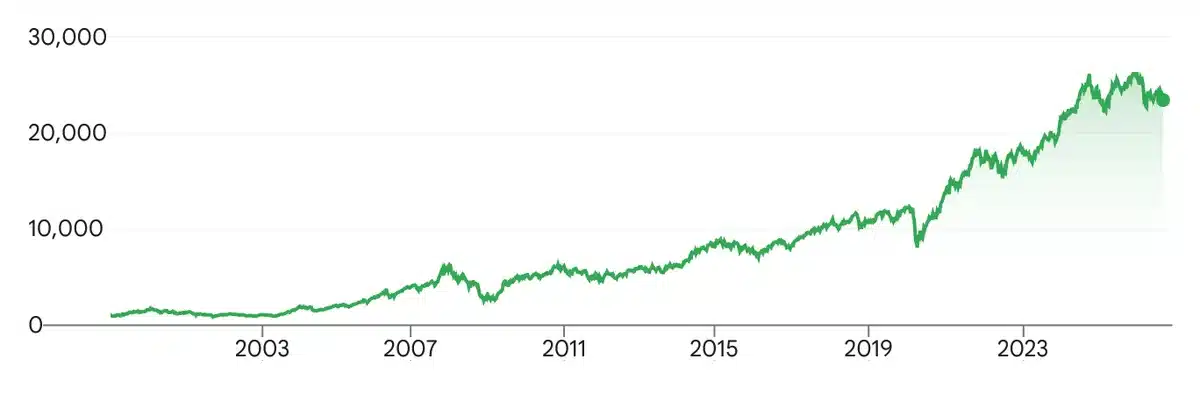
Oil prices rose more than 3% on Monday after new strikes on Saudi energy sites, pushing Brent above $107 a barrel as traders weighed fresh supply risks.
Brent crude gained about $3.43, or 3.3%, to trade near $108.04 per barrel and U.S. WTI rose to about $103.54, Reuters reported, with markets reacting to strikes on Saudi infrastructure and attacks on vessels in the Gulf that compounded concerns about Middle East supplies.
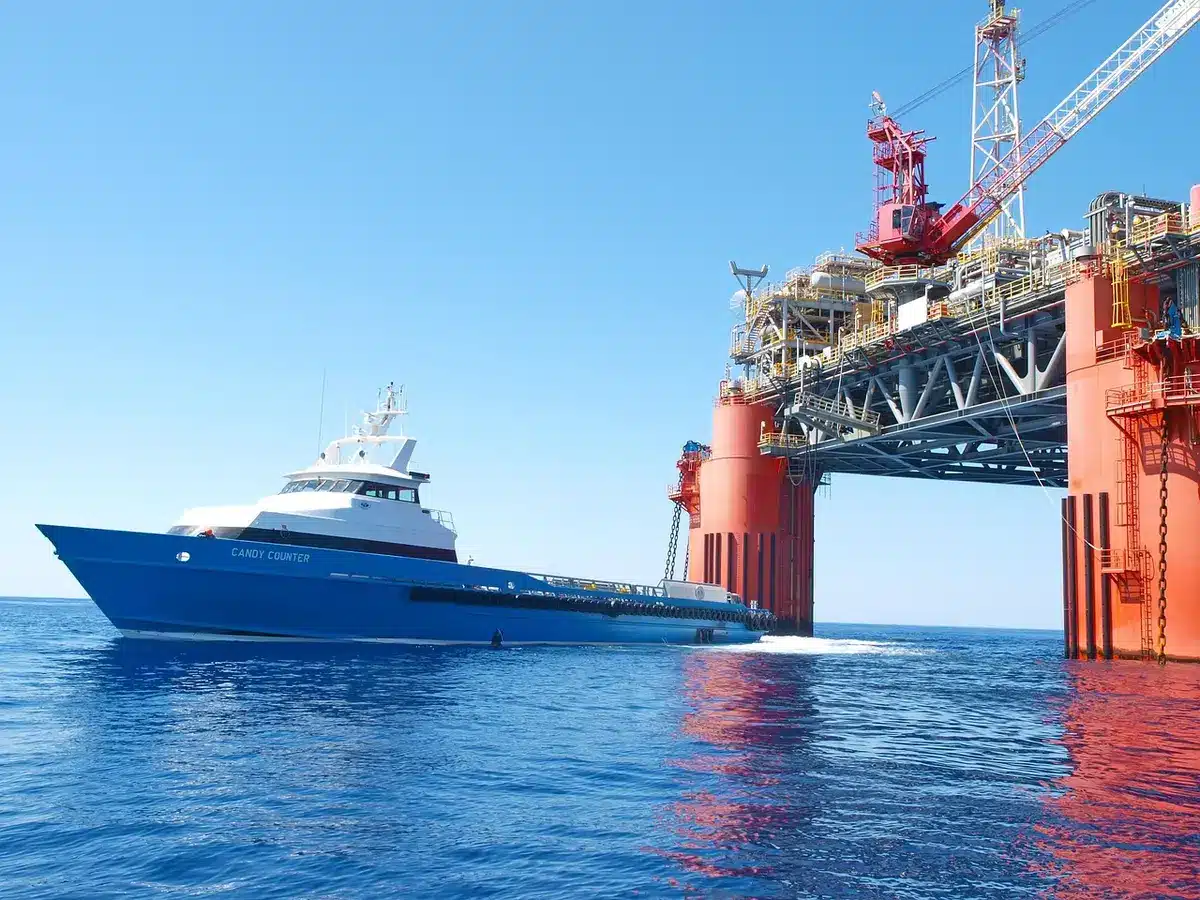
Saudi officials have temporarily shut the kingdom’s East-West pipeline after drone strikes, a move Reuters said could threaten up to 4% of global oil supply because it forces some exports back through narrower, riskier routes like Bab el-Mandeb and the Strait of Hormuz.
Traders priced in a sharp risk premium after the strikes; Reuters noted that the shutdown left the port of Yanbu with only five to seven days of export inventories, tightening near-term flows and amplifying upward pressure on oil prices.

Higher oil prices are already filtering into other markets: Reuters and market commentators linked the rally to rising diesel and gasoline costs and to pressure on global bond yields as investors worry about inflationary effects.
Policy and market watchers say the persistence of attacks and pipeline outages has forced some forecasters to raise price assumptions for the remainder of 2026 and into 2027, a dynamic analysts say could keep oil prices volatile while the security picture remains unresolved.
For readers tracking recent coverage, this follows the market moves that lifted benchmarks back over $100 earlier in the week; see previous reporting on how Brent traded near $106 and WTI near $101 and how U.S. pump prices have been affected.
Sources
- Reuters — reported that Brent rose about 3.3% to $108.04 and WTI to $103.54 after strikes on Saudi sites and attacks on ships in the Gulf.
- Reuters — reported Saudi Arabia temporarily shut its East-West pipeline and that the outage could threaten up to 4% of global oil supply.