U.S. Senator Susan Collins warned that approximately $170 million in Maine goods will be subject to Canada’s retaliatory tariffs set to take effect September 8, 2026, with the forest products sector bearing the brunt of the impact. In a letter to Commerce Secretary Howard Lutnick and U.S. Trade Representative Jamieson Greer on August 28, Collins urged the Trump administration to resume negotiations with Canada to prevent what she called “unnecessary economic harm” to Maine workers, employers, and communities.
The tariffs represent a major threat to Maine’s economy, which is uniquely intertwined with its northern neighbor. Maine borders only one state but shares a 611-mile border with Canada, making cross-border trade a regular occurrence for the state’s businesses and municipalities. Canada imposes tariffs on $20 billion in U.S. goods as trade war escalates, with rates ranging from 15% to 50% across more than 700 product categories.

Of the $170 million in Maine goods targeted by Canada’s counter-tariffs, roughly 62 percent—or about $105 million—comes from the forest products sector. This industry is foundational to Maine’s economy: it supports approximately 30,000 jobs and contributes more than $8 billion annually to the state’s gross domestic product. Collins noted that nearly 90 percent of Maine is covered by forest, underscoring the sector’s centrality to the state’s identity and prosperity.
Collins highlighted the immediate pressure on Maine’s largest employers. “Two of Maine’s paper mills, which are the largest employers in their towns, have already contacted me about the crushing increased costs that they will incur and the potential impact on their employment levels,” she wrote. The tariffs will also ripple through communities that depend on imports from Canada for essential services. Frenchville, a small town on the Canadian border, will face an additional $10,000 cost for road salt used to maintain winter road safety—a direct consequence of the tariffs.
The tariff dispute stems from the breakdown of U.S.-Canada trade negotiations following the Trump administration’s imposition of a 50 percent tariff on $20 billion in Canadian goods effective August 22, 2026. Canada responded by announcing its own counter-tariffs on approximately $27.6 billion (U.S. $20 billion) worth of American goods. Canada retaliates with tariffs as Trump trade talks collapse, targeting steel, dairy, agricultural products, and forest goods among other categories.
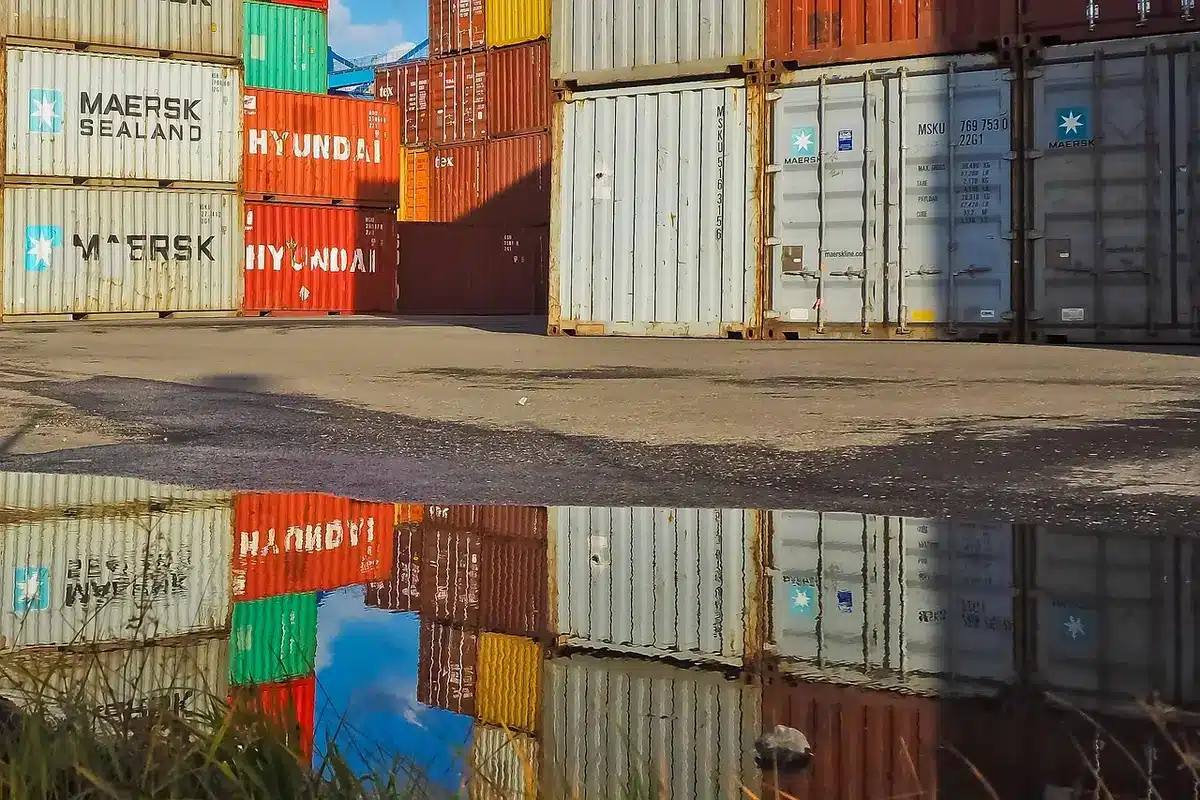
One area of relief came when Canada removed seafood and fish products, including Maine lobster, from its tariff list on August 27. This exemption spared Maine’s lobster industry from a potential 25 percent tariff that would have exceeded $200 million and disrupted the entire supply chain. About half of Maine’s fall lobster catch is processed in Canada, making the exemption significant for the state’s fishing communities. However, other Maine exports remain vulnerable to the new tariffs taking effect this week.
Collins has been a consistent voice against broad tariffs on Canadian goods. She joined bipartisan efforts in 2025 to end the emergency declaration being used to impose the tariffs and introduced legislation to reassert Congress’s constitutional authority over trade policy. Her current warning reflects Maine’s outsized exposure to trade disruptions: the state imports around $2 billion from Canada annually, a substantial portion of its total trade activity. For Maine, Canada is the state’s largest trade and investment partner, making any escalation in trade tensions a direct threat to employment and consumer prices across the state.
Sources
- U.S. Senator Susan Collins official website — Collins’s August 28, 2026 statement warning of $170 million in Maine goods affected by tariffs, including breakdown by sector and specific impacts on forest products, employment, and municipal costs
- Maine Morning Star — coverage of Collins’s tariff warning and Maine businesses’ concerns, August 28, 2026
- U.S. Congress Research Service — details on Canada’s counter-tariff announcement of C$27.6 billion in U.S. goods effective September 8, 2026
- NPR — reporting on Canada as Maine’s top trade partner and the trade war’s impact on the state, August 31, 2026
- WMTW — Maine leaders’ reactions to tariffs and Maine’s annual imports from Canada ($2 billion), August 22, 2026
- Maine Morning Star — coverage of Canada’s removal of seafood and fish products from tariff list, August 27, 2026
- WGME — Maine businesses bracing for Canadian tariffs taking effect September 8, 2026