Canada announced retaliatory tariffs of up to 50 percent on over 700 U.S. goods worth $27.6 billion, striking back after Trump trade talks collapsed last week and U.S. tariffs on Canadian products took effect. The counter-tariffs, which include 50 percent duties on steel, aluminum, furniture and clothing, begin September 8, 2026.
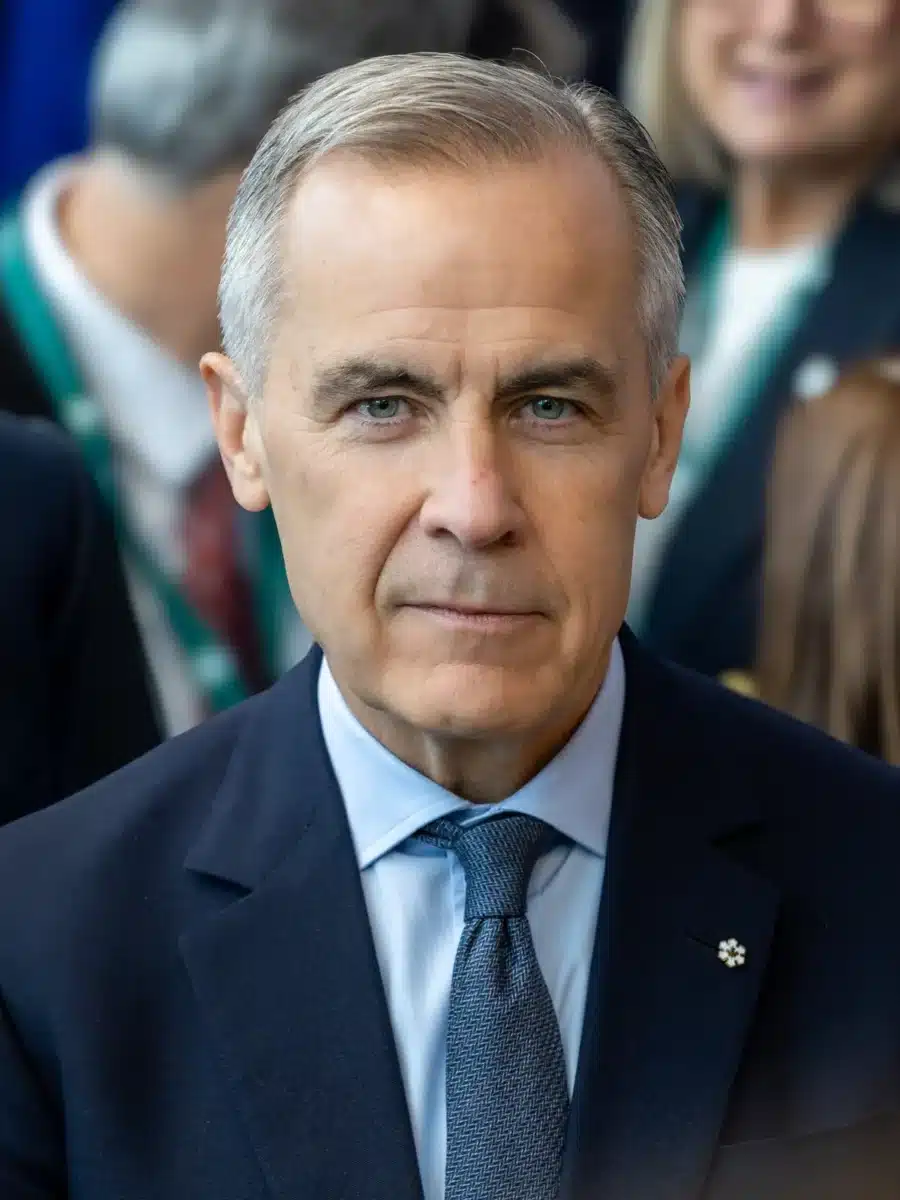
The escalation marks a sharp turn in Canada-U.S. trade relations. Prime Minister Mark Carney suspended negotiations on Friday, August 21, saying the Trump administration’s last-minute demands were unacceptable. “We cannot accept what they’ve offered, and we will not give what they’ve asked,” Carney said on August 22. “They asked too much and offered too little.”
The U.S. had imposed 50 percent tariffs on $20 billion of Canadian goods—ranging from hockey sticks to wine—effective August 19, according to the White House. Carney revealed that the collapsed talks included late demands to restrict Canada’s French-language protections, curtail Canada’s ability to strike independent trade deals, and impose unequal tariffs on Canadian-made auto parts. “It was unacceptable right from the start,” Carney said, “but the Americans kept trying and trying.”

The economic cost to Canada is substantial. University of Calgary economist Trevor Tombe estimated that the U.S. tariffs could eliminate nearly 90,000 jobs across Canada, with Ontario bearing 36,000 losses, Quebec 18,000, and British Columbia 11,000. The federal government estimated the tariffs would affect about $27 billion worth of Canadian goods and put about 56,000 jobs at stake.
Carney’s swift pivot to dollar-for-dollar retaliation signals a departure from his earlier diplomatic posture. In May, he had called for greater Canada-U.S. integration, arguing that “Canada Strong will help make America great again.” The breakdown in talks, however, prompted him to order negotiators to walk away less than an hour before the deadline for U.S. tariffs to take effect on August 19. Canada’s counter-tariffs will include 50 percent duties on steel and aluminum, 25 percent on cheese and appliances, and 15 percent on other goods, according to the government.
The trade war reflects a broader pattern in the Trump administration’s approach. When the U.S. imposed similar 50 percent tariffs on China in 2018-2019, research showed those tariffs reduced long-run U.S. GDP by 0.2 percent and the capital stock by 0.1 percent, according to the World Information Technology and Services Alliance. The disruption extended to labor markets, with counties more exposed to rising tariffs experiencing increases in unemployment and declines in wage growth. Canada’s retaliatory measures could trigger comparable feedback effects on both economies.

Carney emphasized that the U.S. team lacked unity during talks. “The Canadian team, unified … everyone in the loop, everyone knows what our objectives are,” he said. “You cannot say that about the United States administration.” He suggested the U.S. had changed its negotiating terms repeatedly, noting that “sometimes, its signature was written in pencil.”
The political stakes extend beyond trade. As The Conversation reported, Canada’s tariffs on $20 billion of U.S. goods could be calibrated to target Republican-held House and Senate seats in vulnerable states like Ohio, Michigan, and Maine—areas where Democratic candidates are already attacking Republican incumbents over support for the trade war. For Canada, the strategy is to make the trade war politically costly enough to deter future administrations from pursuing similar policies, even if Canada cannot match the U.S. economically.
Ontario Premier Doug Ford backed Carney’s decision, saying the deal was “a bad deal for Ontario” and for the auto and steel sectors. He called on Canada to “inflict pain” on the U.S. to remind the Trump administration that Canada is its best customer. The federal government said it would announce support measures for affected businesses early the following week and would sustain them “beyond the life of this administration.”
Sources
- The Conversation — Mark Carney’s statement on trade talks, last-minute U.S. demands on French language, autos and sovereignty, and analysis of Canada’s leverage in the trade war
- CBC News — Carney’s full remarks on why talks collapsed, the “asked too much, offered too little” quote, job loss estimates from economist Trevor Tombe, and Doug Ford’s response
- Washington Post — Canada’s announcement of retaliatory tariffs of up to 50 percent on hundreds of American goods
- World Information Technology and Services Alliance — Long-run economic impact of 2018-2019 Trump tariffs on China (0.2% GDP reduction, 0.1% capital stock reduction)
- Government of Canada — Details of counter-tariffs effective September 8, 2026, covering 700+ products worth $27.6 billion at rates of 15%, 25%, and 50%