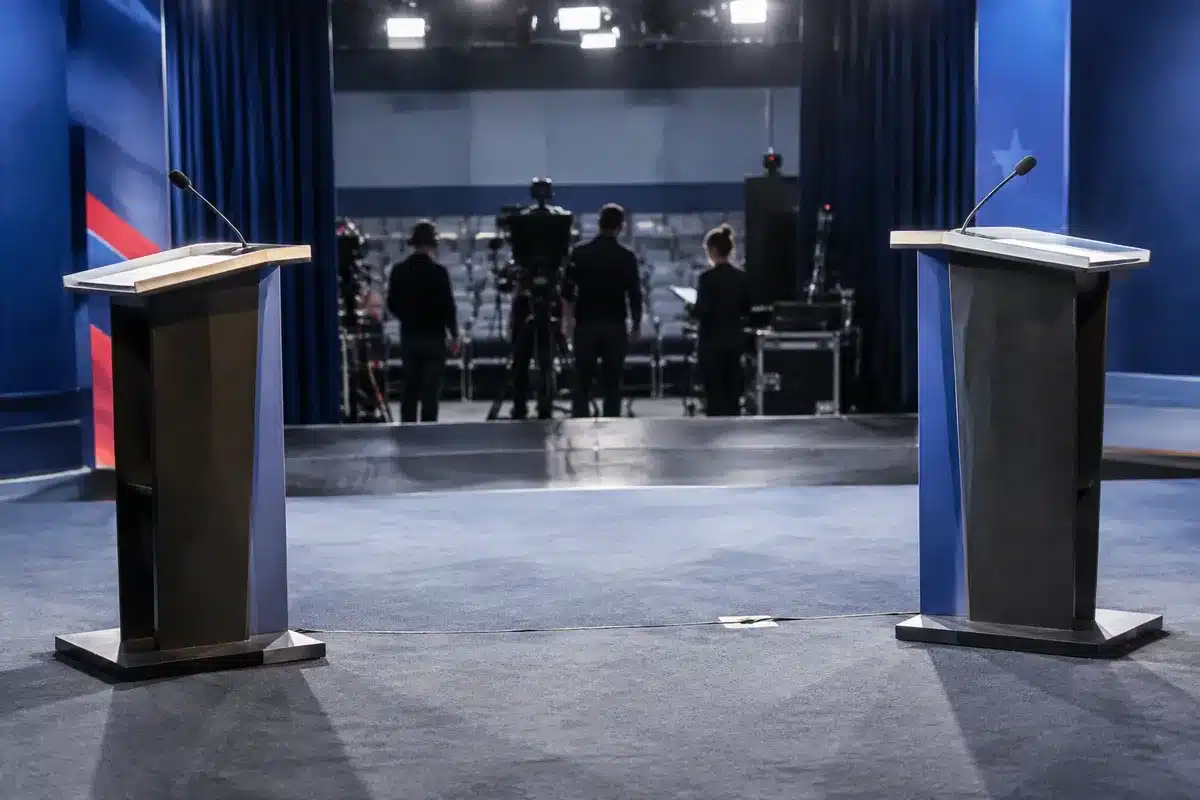
The 2026 election calendar is shaping up as a geopolitical turning point: a handful of national votes and regional contests could shift economic policy, trade ties and climate action at a moment of elevated global tensions. For readers tracking markets, technology regulation or international security, the coming year’s ballots matter now because campaigns and alliances are already forming and will influence decisions this year.
Which contests matter most and why
Not every national vote carries the same weight. Some races will determine who controls legislatures and can pass or block laws; others will reshape national leadership or alter alliances. Below are the contests to watch closely and the stakes each brings.
- United States midterms (November 2026) — Control of the House and Senate will influence U.S. domestic policy and foreign posture, affecting everything from fiscal policy to tech and trade rules.
- Brazil presidential election (October 2026) — Outcomes in Brasília will shape Amazon protection efforts, regional trade dynamics and investment risk across Latin America.
- Key European parliamentary and national votes — Several EU member states hold elections that could tilt the bloc’s approach to energy, migration and digital regulation.
- Strategic regional contests in Africa and Asia — Elections across these regions will affect global supply chains, security partnerships and development aid priorities.
United States: why the midterms still dominate global attention
The U.S. midterms will determine the balance of power in Congress and therefore the ability of the White House—regardless of party—to advance its legislative agenda. That makes these races consequential for corporate regulation, defense budgets and international agreements.
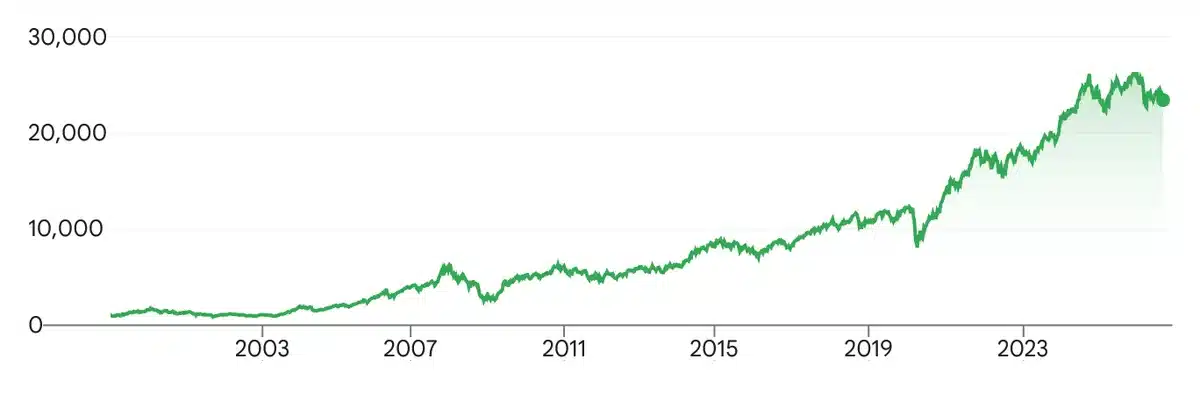
Investors and foreign governments watch midterms because congressional control affects budgeting, sanctions policy and trade oversight. Campaign messaging already influences market expectations and lobbying activity; the closer the races, the greater the short-term volatility for sectors like defense, green energy and technology.
Brazil: environmental and economic policy under the microscope
Brazil’s 2026 presidential contest could recalibrate policies on forest protection, agribusiness regulation and international climate commitments. Given Brazil’s ecological and economic size, the direction set in Brasília will resonate across commodity markets and in international climate diplomacy.
Beyond the environment, the winner’s economic plan will be scrutinized by foreign investors and trading partners for signals about fiscal discipline, infrastructure investment and openness to foreign capital.
Europe and the EU: incremental shifts with outsized effects
While few European votes will singularly redefine the continent, a cluster of national elections combined with ongoing EU policy debates can produce meaningful change. Shifts in national parliaments affect how countries vote on EU-wide rules — from data and AI oversight to energy transition funding.
Expect debates about immigration, cost of living and industrial policy to drive voter behavior. That in turn will shape EU-level priorities that ripple into global regulation and trade negotiations.
Africa and Asia: local contests, global consequences
Elections across emerging markets often have a disproportionate impact on supply chains, commodity prices and regional stability. Leadership changes can alter investment climates, security partnerships and infrastructure plans supported by international lenders.
For multinational companies and diplomatic teams, the 2026 ballot box will be a signal for which countries will pursue market-opening reforms versus protectionist or nationalist policies.
What to watch now
- Candidate lineups and coalition-building: early alliances reveal policy priorities and potential governing coalitions.
- Campaign financing and media influence: funding flows and digital campaigning shape reach and voter mobilization.
- Policy platforms on trade, climate and technology: these will determine the near-term regulatory environment for global businesses.
- Election integrity and institutional resilience: legal challenges and administrative capacity affect legitimacy and post-election stability.
The practical implications are immediate. Businesses reassess country risk and investment timelines; diplomats recalibrate outreach; and citizens evaluate how proposed policies will affect everyday costs — from energy bills to data privacy. That is why these elections deserve attention today, not just when ballots are cast.
Quick reference: top contests at a glance
| Region | What to watch | Potential impact |
|---|---|---|
| North America | U.S. midterms (Nov 2026) | Legislative control, sanctions, fiscal policy, tech regulation |
| Latin America | Brazil presidential (Oct 2026) | Climate policy, commodity markets, investment climate |
| Europe | Multiple national and parliamentary votes | EU policy direction on energy, migration and digital rules |
| Africa & Asia | Regional general elections | Supply chains, security partnerships, development priorities |
As parties and candidates formalize platforms this year, their priorities will start to shape real-world decisions now. Tracking fundraising, coalition-building and policy proposals will give the clearest early read on how 2026’s outcomes could reshape global politics and markets.