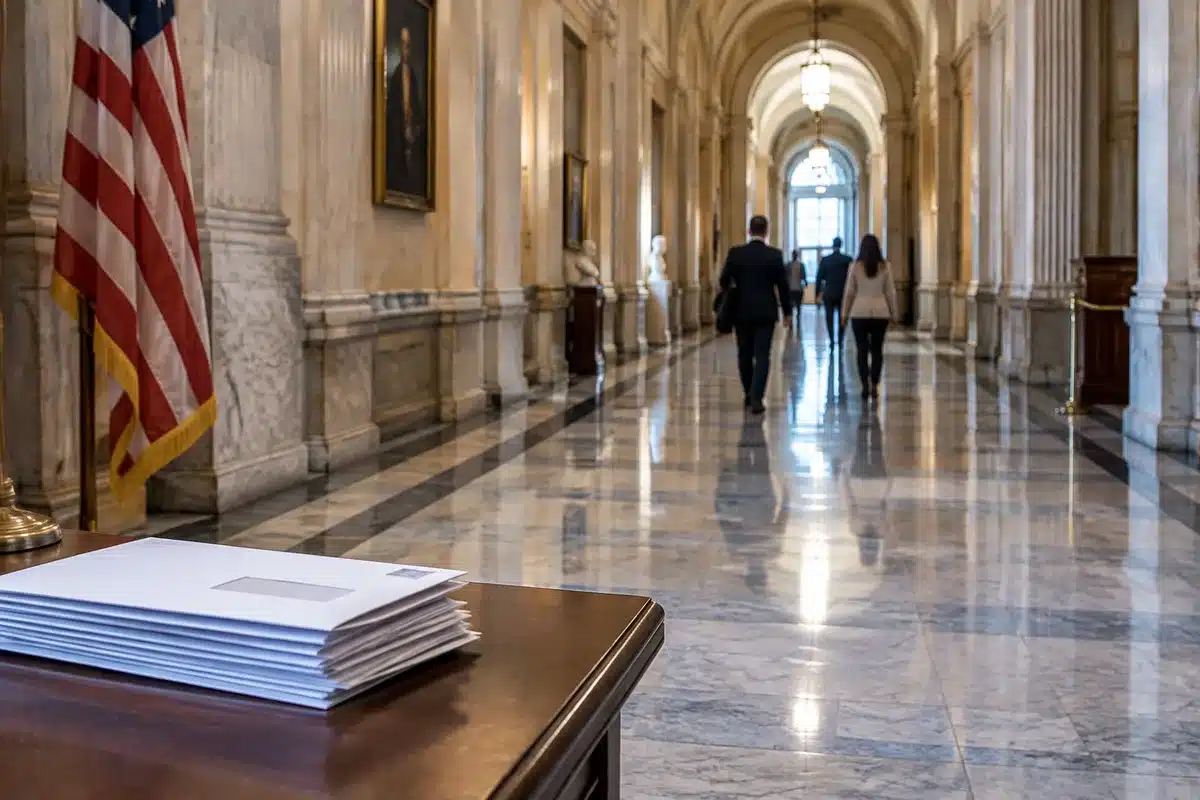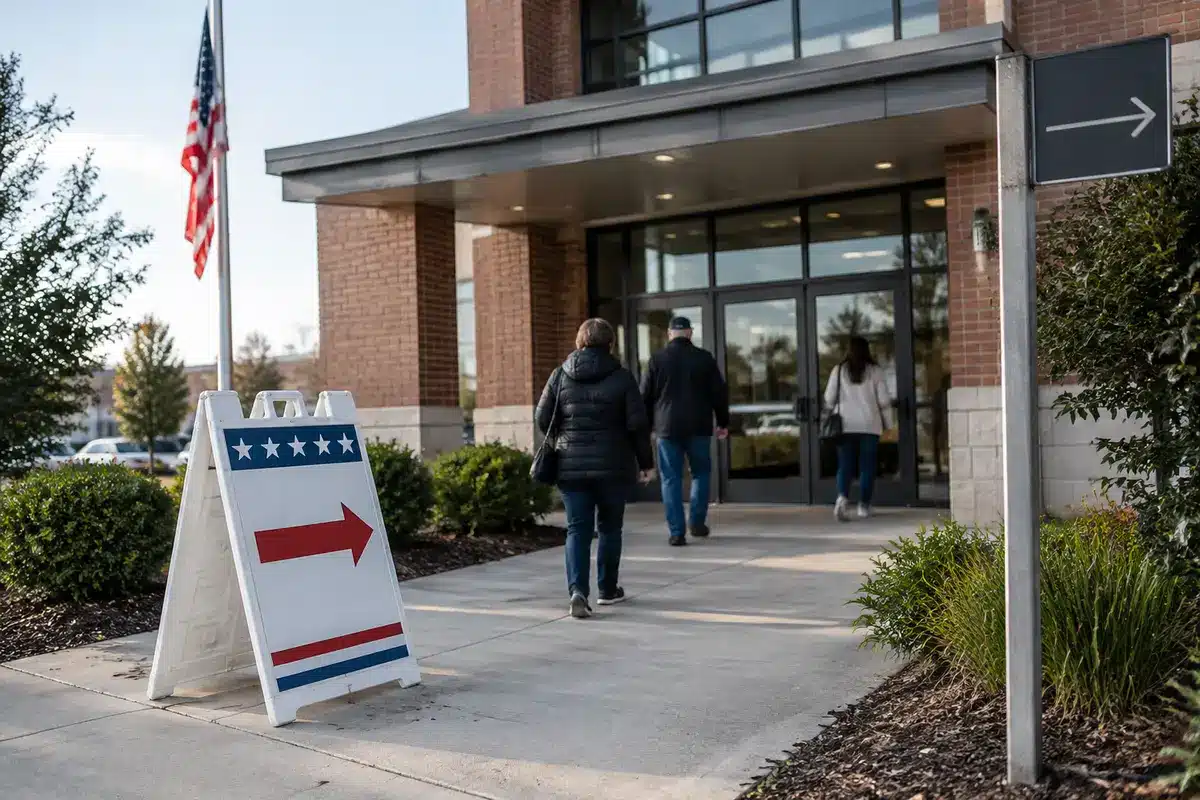
Labor Day arrives Monday, September 7, marking the unofficial end of summer with a federal holiday that honors American workers and their contributions to the nation. The holiday is observed on the first Monday of September each year, making it a consistent fixture on the calendar and the long weekend that millions of Americans use for travel, family gatherings, and outdoor celebrations.
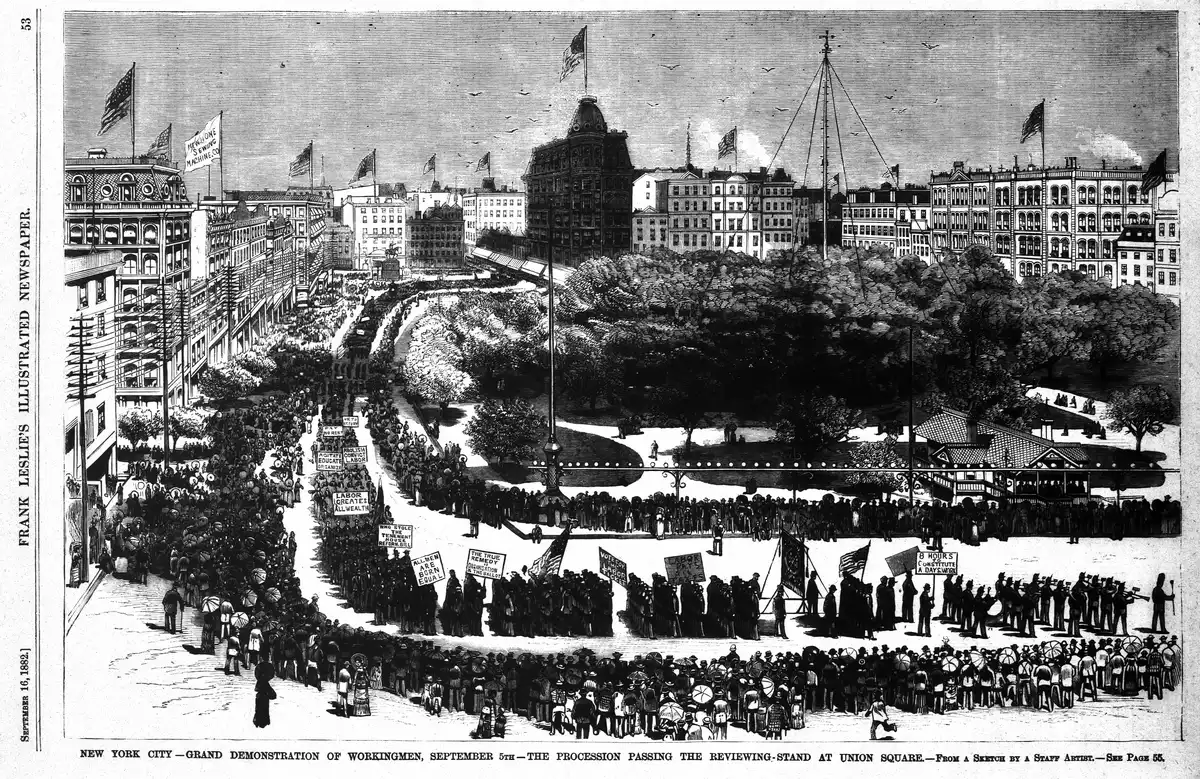
The origins of Labor Day trace back to the late 19th century, during the height of the Industrial Revolution, when American workers endured brutal conditions. In those days, the average laborer worked 12-hour days, seven days a week, while children as young as 5 or 6 toiled in mills and factories for a fraction of adult wages. Labor unions grew more vocal in protesting these conditions, and on September 5, 1882, 10,000 workers in New York City took unpaid time off to march from City Hall to Union Square, holding the first Labor Day parade in U.S. history, according to the History Channel.

Congress did not officially establish Labor Day as a federal holiday until 1894, after the violent Pullman Palace Car Company strike in Chicago. When federal troops were dispatched to break the strike, more than a dozen workers were killed. In response, and to repair relations with American workers, President Grover Cleveland signed legislation on June 28, 1894, making Labor Day a legal holiday.
Today, Labor Day is celebrated across the country with parades, picnics, barbecues, fireworks, and other public gatherings. For many Americans, the three-day weekend represents the last chance for a summer getaway before the school year begins and fall weather arrives.
Travel Costs and Traffic Expected to Rise This Year
This Labor Day weekend is shaping up to be one of the most expensive on record for travelers. According to AAA data released August 25, 2026, flights to the most popular domestic destinations are nearly 20% more expensive than last year, averaging $790 for a roundtrip ticket. Domestic hotel bookings are up 9% compared to last Labor Day weekend, while international accommodations cost 12% more.
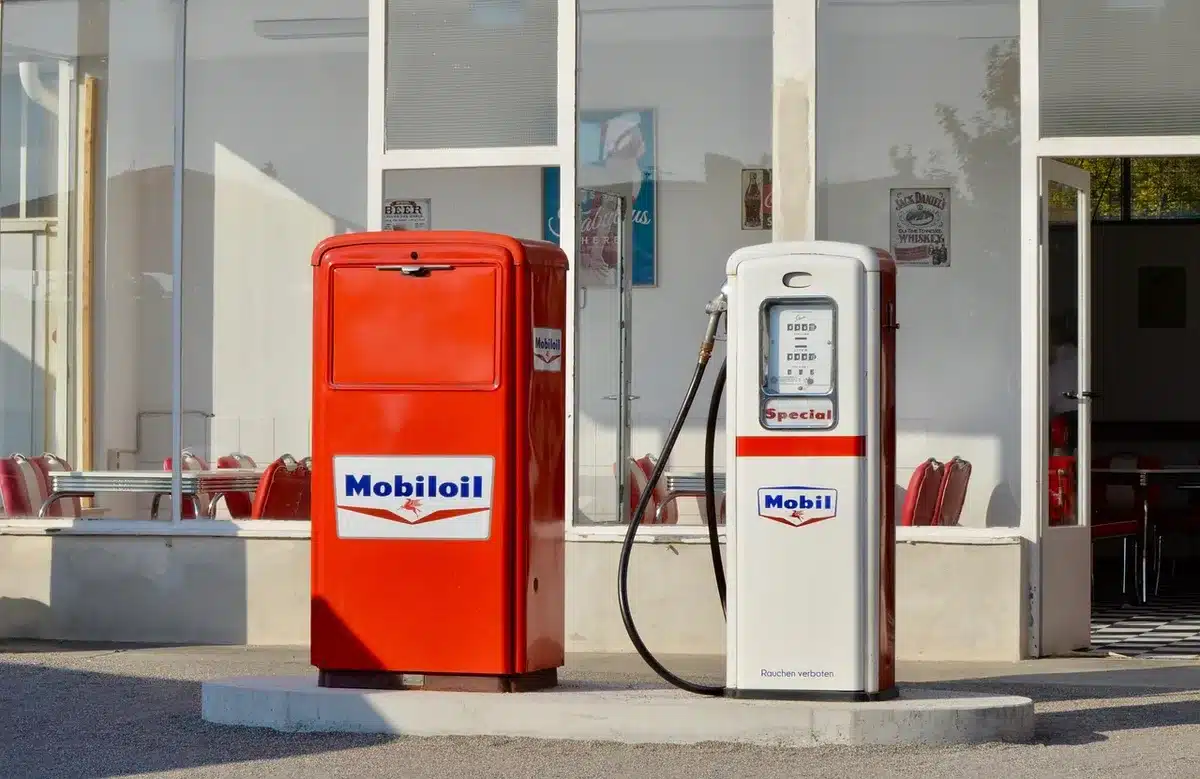
Gas prices are a major concern for road trippers. For the first time in history, Americans could see the national average gas price exceed $4 per gallon on Labor Day, according to Fox 5 New York. The previous holiday record was $3.83 per gallon, set in 2012. Last year, the national average on Labor Day was $3.19 per gallon. The surge is driven by global supply constraints, including Ukrainian drone attacks that have knocked Russian refineries offline, combined with restricted shipping through the Strait of Hormuz.
Traffic congestion will peak on Thursday, September 3, and Friday, September 4, as holiday travelers mix with regular commuter traffic. According to AAA and transportation data provider INRIX, the worst times to travel are Thursday 2 p.m. to 7 p.m., Friday noon to 8 p.m., Saturday 1 p.m. to 5 p.m., and Monday (for return trips) 2 p.m. to 5 p.m. AAA recommends departing early in the morning and avoiding afternoon departures whenever possible.
Not all travel categories are more expensive this year. International airfare is down 4% year-over-year, and cruises departing from U.S. ports are 4% cheaper than last year, averaging $2,700 per booking, making bundled vacation options more attractive to budget-conscious travelers.
For those planning a road trip, AAA reminds drivers to check tire pressure and tread, test the battery, inspect fluid levels, and pack emergency supplies. During last year’s Labor Day holiday period, AAA responded to more than 400,000 roadside assistance calls for issues including dead batteries, flat tires, lockouts, and towing.
Sources
- History.com — Labor Day history, origins, first parade in 1882, federal holiday establishment in 1894
- AAA — Labor Day 2026 travel costs, flight and hotel price increases, traffic forecast, cruise pricing
- Fox 5 New York — Record-high gas prices expected for Labor Day 2026, first time above $4 per gallon