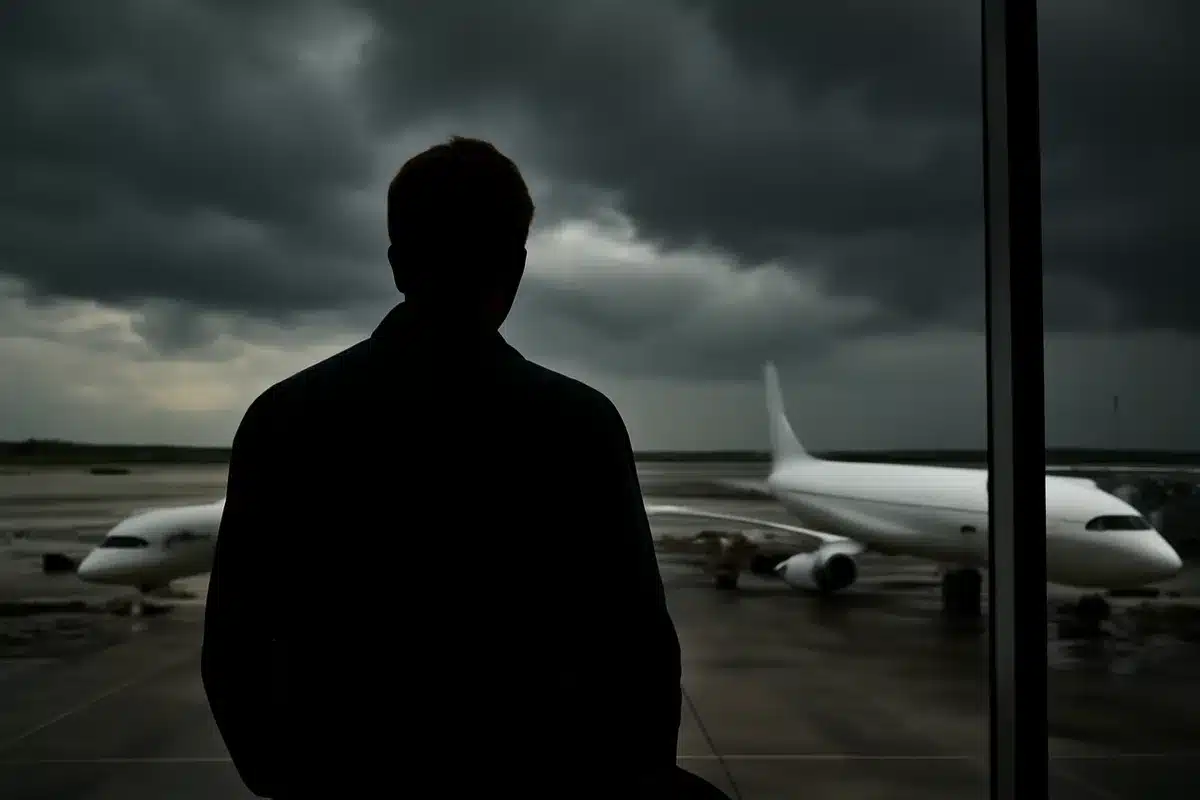
The Federal Aviation Administration issued ground stops at 10 U.S. airports on September 3 as severe thunderstorms continued to disrupt the Northeast corridor for the third consecutive day, with LaGuardia and other major New York-area hubs facing significant delays and flight restrictions.
Ground stops halt all departures from an affected airport, a more severe measure than ground delays, which assign each flight a controlled departure time. According to the FAA, ground stops are typically issued for shorter, sharper weather events where the Command Center does not yet have enough information to model a full Ground Delay Program. LaGuardia reported average ground delays of 45 minutes as thunderstorms moved through the region.
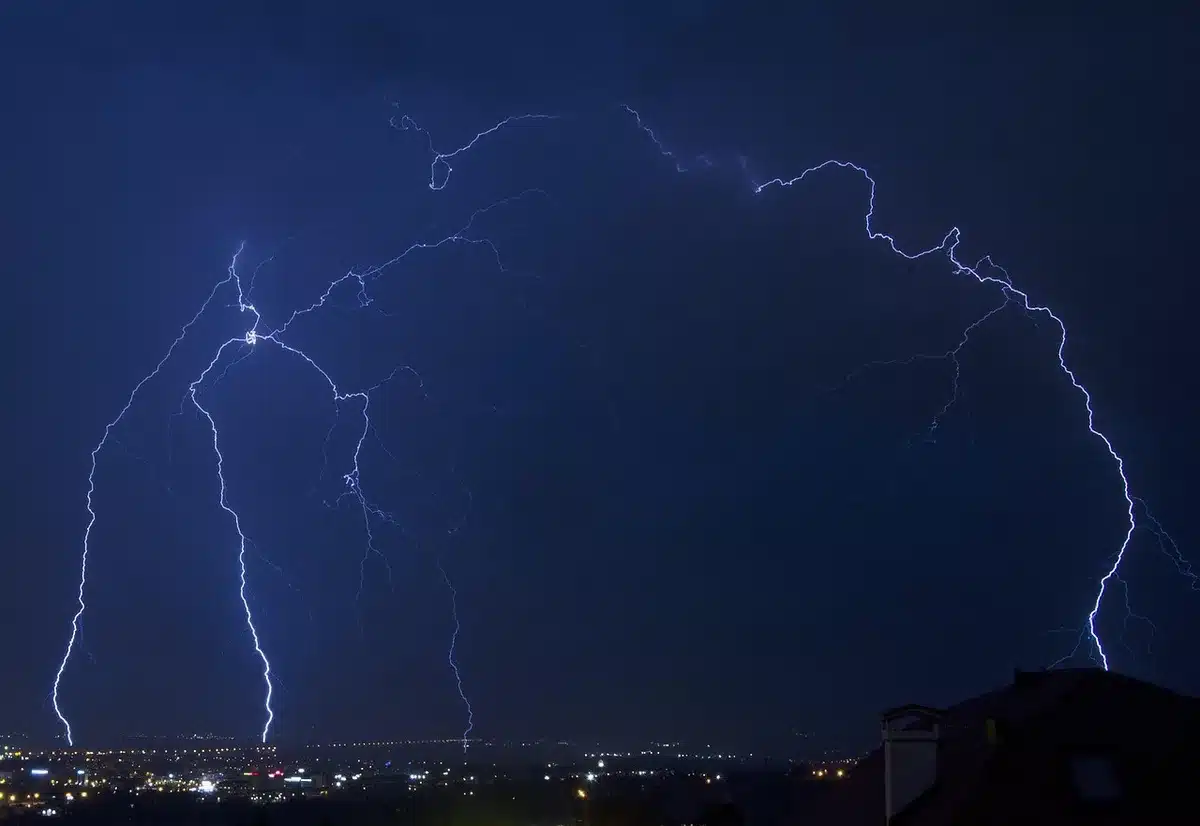
The multi-day nature of the disruption is unusual. A rare multiday severe storm threat has put parts of the Northeast and Mid-Atlantic under three consecutive days of thunderstorm coverage, according to weather forecasters. After three consecutive days of elevated disruption spanning September 1, 2, and 3, the nation’s air traffic network has been operating on minimal reserves, with every major carrier reporting cascading cancellations and delays.
The FAA reported ground-delay programs at Newark, JFK, and LaGuardia as storms disrupted arrivals across the tri-state area. Newark’s average delay reached two hours at peak, while Boston Logan leads U.S. airports with 19 delays amid thunderstorms, indicating the disruption extended well beyond New York. Thunderstorms around New York, Boston, Philadelphia, and Washington often create air traffic restrictions that ripple across the entire system, affecting flights nationwide even when the storms themselves are geographically limited.
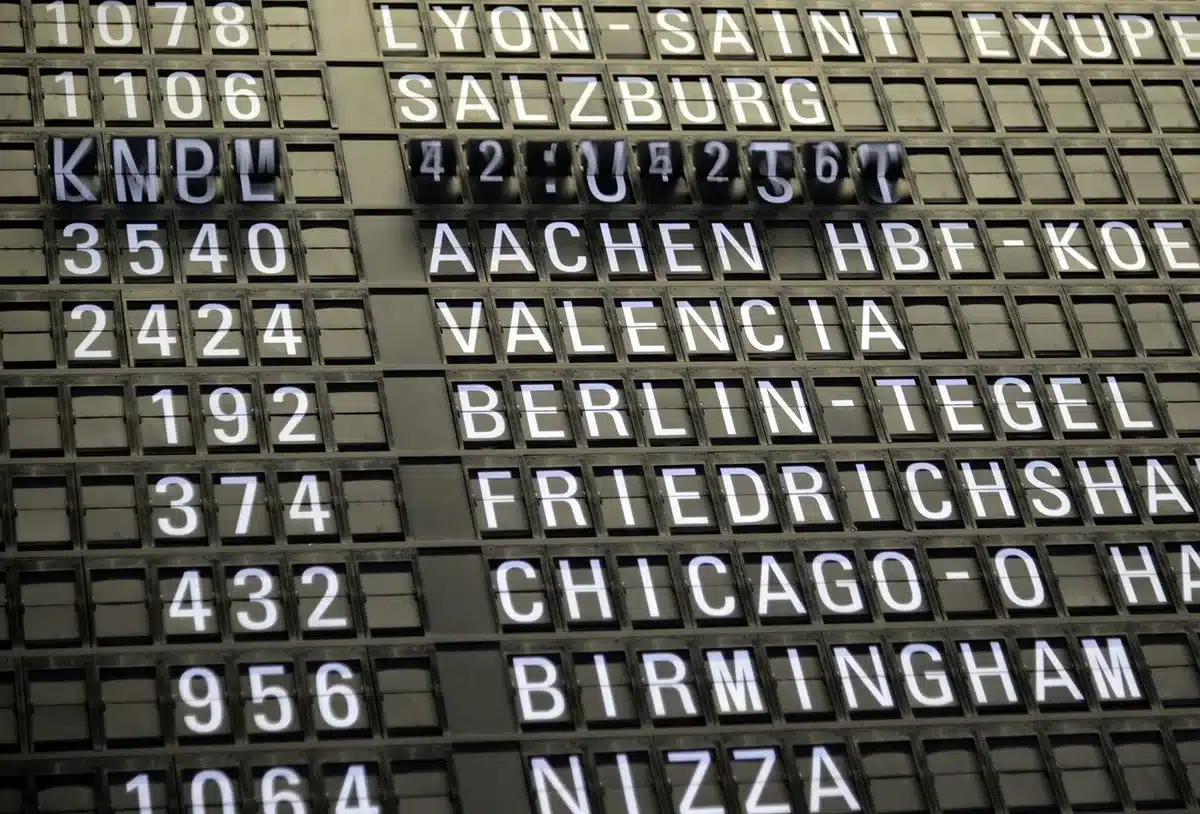
The timing compounds travel challenges during the Labor Day weekend period, when passenger volumes are typically highest. Airlines have issued travel waivers allowing passengers to rebook on different flights or dates without penalty, a standard response to weather-related disruptions. The FAA’s National Airspace System Status page continues to track active delays and ground stops in real time, with updates reflecting the ongoing threat from severe weather across the Northeast corridor.
Recent severe weather has consistently disrupted East Coast aviation. In late August, Tropical Storm Edouard made landfall in Louisiana with 60 mph winds, and similar patterns of severe thunderstorms have become increasingly common during the summer and early fall months. The combination of ground stops at multiple major hubs creates a cascading effect, stranding crews and aircraft that cannot reach their next scheduled destinations, perpetuating delays even after the weather itself clears.
Sources
- The Travel — confirmed FAA halted flights at 10 U.S. airports due to Northeast thunderstorms on September 3, 2026, for the third consecutive day
- Travel Market Report — reported LaGuardia ground delays averaging 45 minutes and 49 cancellations, with ground-delay programs at Newark, JFK, and LaGuardia
- PIX11 / Instagram — confirmed ground-delay programs at Newark, JFK, and LaGuardia due to thunderstorms
- Fox Weather — explained ground stops vs. ground delays and confirmed rare multiday severe storm threat for three consecutive days in Northeast and Mid-Atlantic
- Travel Tourister — reported three consecutive days of elevated disruption (September 1, 2, and 3) with network operating on minimal reserves
- FAA / Deep Arrival — clarified that ground stops are typically issued for shorter events where the Command Center does not yet have enough information to model a full Ground Delay Program
- Johnny Jet — noted that thunderstorms around New York, Boston, Philadelphia, and Washington create air traffic restrictions that ripple across the entire system